

New Delhi/Tehran, Iran | January 5, 2026, 9:24 p.m. IST
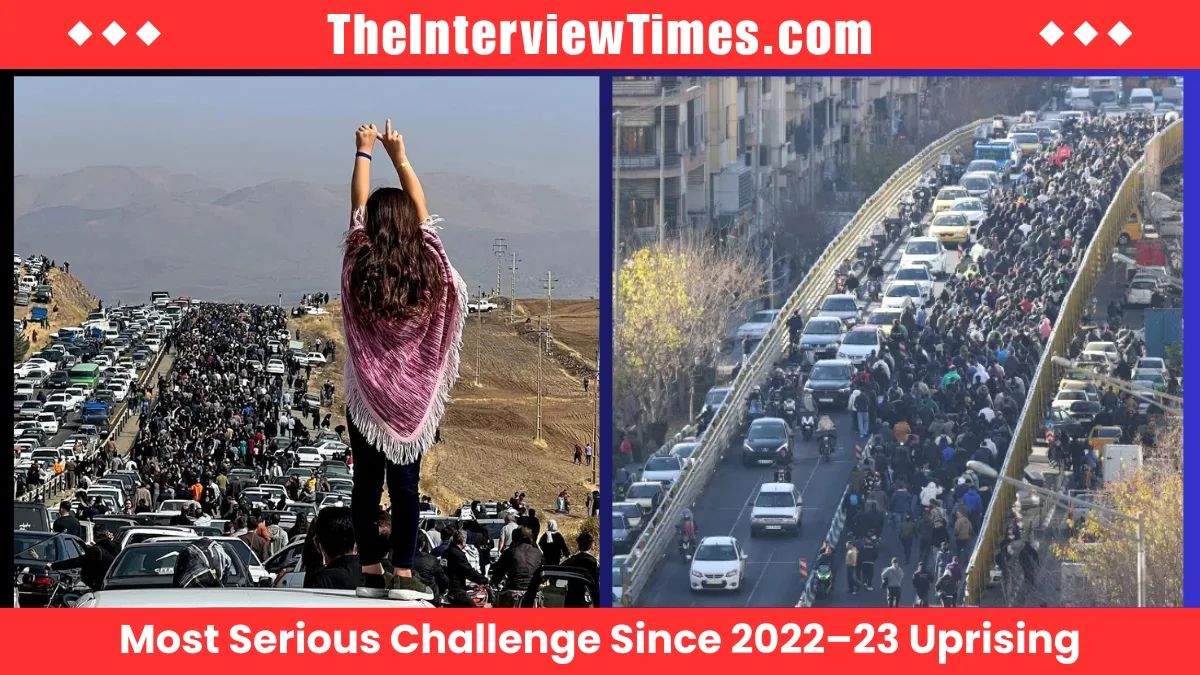
Protests sweeping across Iran have continued into their ninth day, with reports of widespread strikes, clashes with security forces, and a rising death toll as demonstrators voice fury over the country’s deepening economic woes and broader political grievances.
What began late last December as merchant strikes in Tehran’s Grand Bazaar over the plummeting value of the Iranian rial and soaring inflation has rapidly expanded into a nationwide movement. Demonstrations and shutdowns have now been reported in over 220 locations across 26 of Iran’s 31 provinces, according to monitoring groups. Key areas include Tehran, Isfahan, Shiraz, and western cities like Ilam and Lorestan, where violence has been most intense.
Human rights organizations tracking the unrest estimate the death toll has reached at least 20, with some sources citing figures as high as 19 protesters killed, plus additional casualties among security personnel.
The U.S.-based Human Rights Activists News Agency (HRANA) and Kurdish rights group Hengaw have documented cases of live ammunition being used against crowds, resulting in dozens injured and hundreds arrested, figures exceeding 990 in total arrests.
Iranian state media has acknowledged fewer deaths, often framing them as resulting from attacks on police stations or involving “rioters.”
Must Read: Global Shockwaves from US Action in Venezuela: Implications for India’s Energy Security
The economic triggers are stark: Inflation hovered above 42% by late 2025, with food prices surging even higher. The rial hit record lows against the dollar, briefly exceeding 1.45 million rials per USD before slight recovery. Sanctions, compounded by domestic mismanagement, have exacerbated shortages in essentials, electricity, and water, pushing many Iranians to the brink.
Protesters’ chants have evolved from economic demands to direct challenges against the leadership, including “Death to the Dictator” aimed at Supreme Leader Ayatollah Ali Khamenei. University students and younger generations have joined prominently, echoing slogans from past uprisings like “Woman, Life, Freedom.”
In response, Khamenei has distinguished between legitimate protesters and “rioters,” stating that the latter “must be put in their place” while blaming foreign interference for exacerbating the currency crisis. President Masoud Pezeshkian, meanwhile, has adopted a more conciliatory tone, acknowledging public hardships as “legitimate” and pledging dialogue, though he holds limited power over security forces.
Must Read: South Korea’s KF-21 Boramae: A Rising Challenger in the Global Fighter Jet Arena
Internet restrictions and slowdowns have been reported in affected areas, complicating real-time verification of events. Videos circulating on social media show strikes in markets, nighttime slogan-writing, and funerals turning into rallies.
Internationally, U.S. President Donald Trump has issued stern warnings, threatening strong action if the crackdown intensifies further. Israeli officials have expressed solidarity with demonstrators, heightening regional tensions.
As strikes continue in cities like Karaj, Kazerun, and Marvdasht, analysts warn the unrest represents the most serious challenge to the Islamic Republic since the 2022-2023 protests. With no immediate resolution to the economic crisis in sight, the situation remains highly volatile, raising concerns over further escalation.
