

New Delhi | February 4, 2026, 07:35 a.m. IST
West Bengal CM Mamata Banerjee makes history as the first sitting Chief Minister to personally argue the Bengal SIR electoral rolls case in the Supreme Court, a landmark moment ahead of the 2026 Assembly elections.
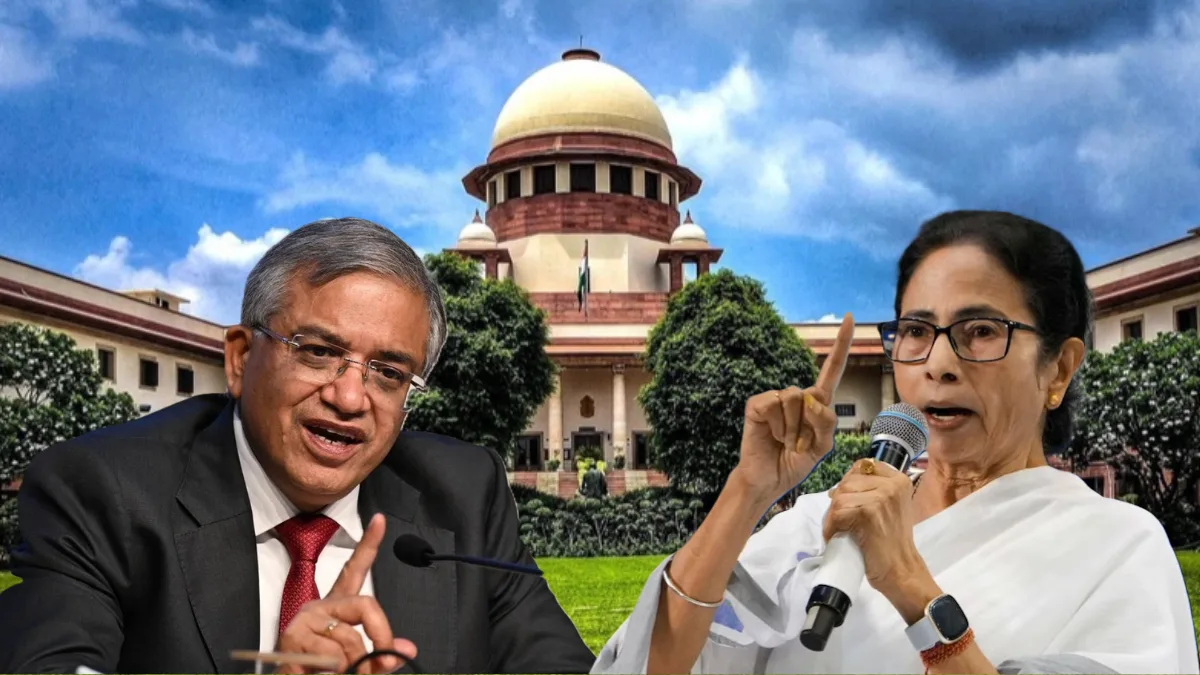
In a groundbreaking move, West Bengal Chief Minister Mamata Banerjee will appear before the Supreme Court today to personally argue her challenge against the state’s Special Intensive Revision (SIR) of electoral rolls. This marks the first time a sitting Chief Minister will represent herself in India’s top court, underscoring the intensity of the Bengal SIR controversy.
The 71-year-old Trinamool Congress leader, who holds an LLB from Jogesh Chandra Chaudhuri Law College (1982), last practiced law in 2003. In her interlocutory application filed under Article 32, Mamata Banerjee sought permission to appear as “party in person” before a bench led by Chief Justice Surya Kant, Justices Joymalya Bagchi, and Vipul M Pancholi. She assured the court of her familiarity with judicial decorum, pledging to follow all established procedures.
A gate pass issued for Courtroom 1 confirms her Z+ security-cleared entry, as confirmed by former Additional Solicitor General K C Kaushik. “It is historic. In my 45 years in the legal profession, I have never seen this happen,” Kaushik told media outlets.
Top News: Top 10 Travel Destinations in India to Explore in 2026
The SIR Controversy at the Heart of the Battle
The dispute centers on the Election Commission’s December 2025 draft electoral rolls, which deleted over 5.8 million names due to reasons like death, migration, and missing enumeration forms. Another 12.5 million voters face scrutiny under “logical discrepancies.” Mamata Banerjee’s petition demands the 2026 West Bengal Assembly polls use the existing rolls, not the SIR-revised ones.
She alleges the process has caused “immense inconvenience and agony,” linking it to 140 reported deaths statewide. In a January rally, Banerjee vowed to argue “not as a lawyer but as an ordinary citizen” for Bengal’s people. Tensions peaked Monday when she walked out of a meeting with Chief Election Commissioner Gyanesh Kumar, accusing the panel of BJP bias and questioning why SIR targets only opposition-ruled states like West Bengal, not BJP’s Assam.
Political Stakes and Broader Implications
With Assembly elections due in April 2026, the Supreme Court’s ruling could reshape West Bengal’s voter landscape, potentially affecting millions. Mamata Banerjee, also All India Trinamool Congress chairperson, frames SIR as an assault on democratic fairness. Critics, including BJP leaders, counter that revisions ensure clean rolls, dismissing her claims as vote-bank politics.
The hearing arrives amid heightened political rhetoric. Banerjee’s personal courtroom appearance amplifies her narrative of fighting “central interference,” galvanizing her base ahead of polls.
Legal experts watch closely, noting rare precedents for high-profile self-representation. The bench’s decision on her participation and the SIR petition could set new benchmarks for electoral disputes.
As gates open at the Supreme Court, all eyes remain on whether Banerjee’s bold strategy sways justices or faces procedural hurdles. Updates will follow post-hearing.
Top News: Khaby Lame Sells TikTok Empire Company in $900 Million Deal
