
TheInterviewTimes.com | March 23, 2026 | 4:41 PM IST | New Delhi
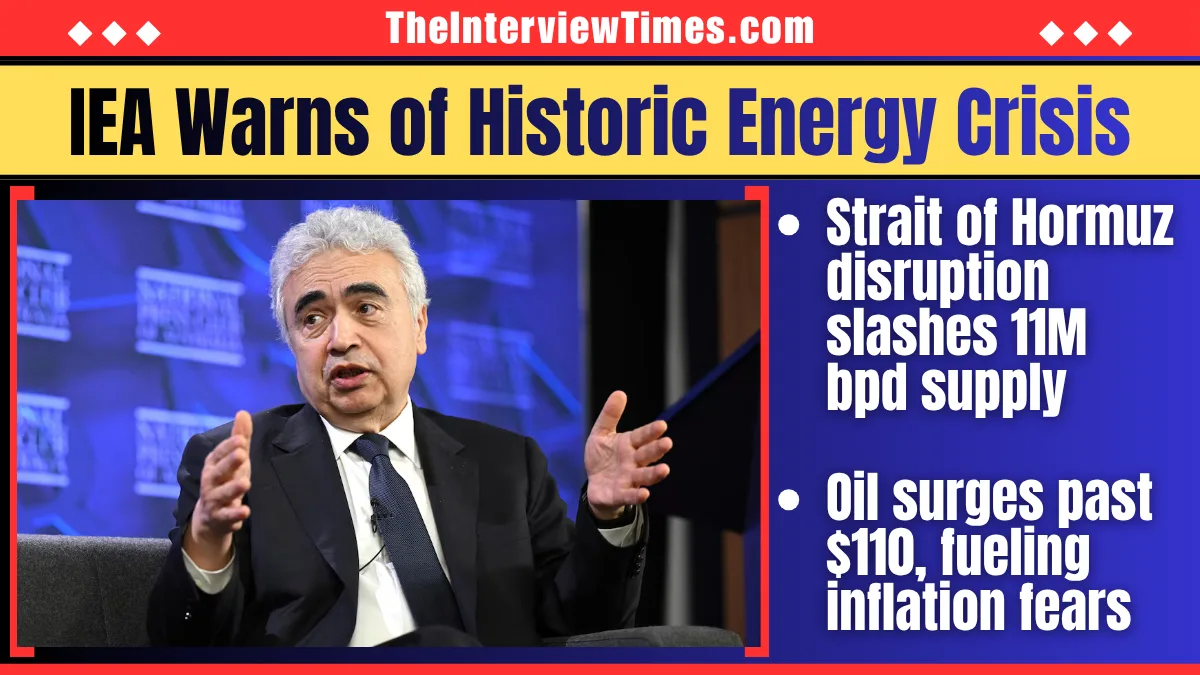
IEA warns of unprecedented global energy crisis as Strait of Hormuz disruption cuts 11 million bpd supply. Oil crosses $110, raising inflation and economic risks.
Article Summary
The International Energy Agency has issued a severe warning over a historic global energy crisis triggered by the disruption in the Strait of Hormuz. Massive oil and LNG supply cuts are pushing prices higher and threatening global economic stability.
Key Highlights
- 11 million barrels per day oil supply disrupted globally
- LNG supply cut by 140 billion cubic meters annually
- Oil prices surge above $110 per barrel
- 400 million barrels released from emergency reserves
- Over 40 energy assets damaged across the Middle East
- Asia and India face severe energy security risks
IEA Flags Historic Energy Shock
The International Energy Agency has sounded an alarm over what it describes as the most severe global energy crisis in modern history.
Speaking at Australia’s National Press Club, IEA Executive Director Fatih Birol said the scale of disruption is “worse than the 1970s oil shocks combined,” highlighting the unprecedented nature of the crisis.
The conflict between the United States and Iran has effectively shut down the Strait of Hormuz, a critical global energy chokepoint that carries nearly one-fifth of the world’s oil and LNG supply.
Supply Shock Triggers Market Turmoil
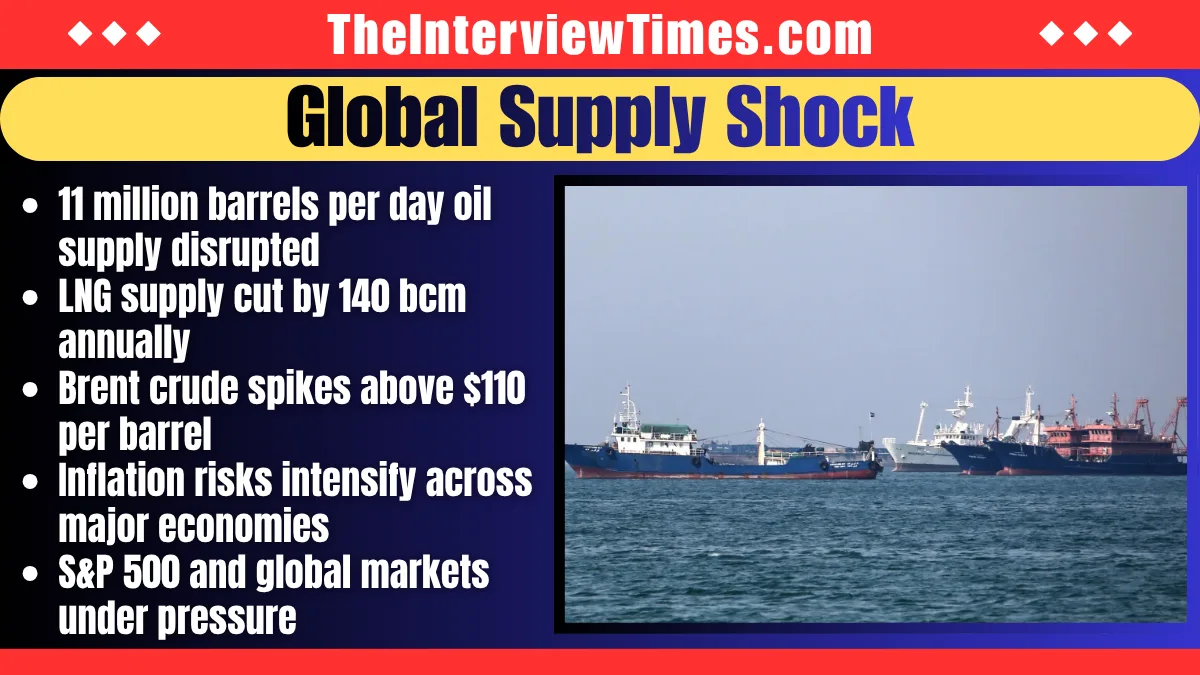
The ongoing disruption has led to a sharp contraction in global supply, with oil shortfalls reaching 11 million barrels per day. LNG supplies have also dropped significantly, intensifying pressure on energy markets.
As a result, Brent crude prices have surged more than 50 percent, crossing the $110 per barrel mark. This spike is fueling inflation concerns worldwide and putting pressure on financial markets, including major indices like the S&P 500.
The scale and speed of the disruption have created extreme volatility, with analysts warning that the global energy crisis could have long-lasting economic consequences.
Widespread Damage to Energy Infrastructure
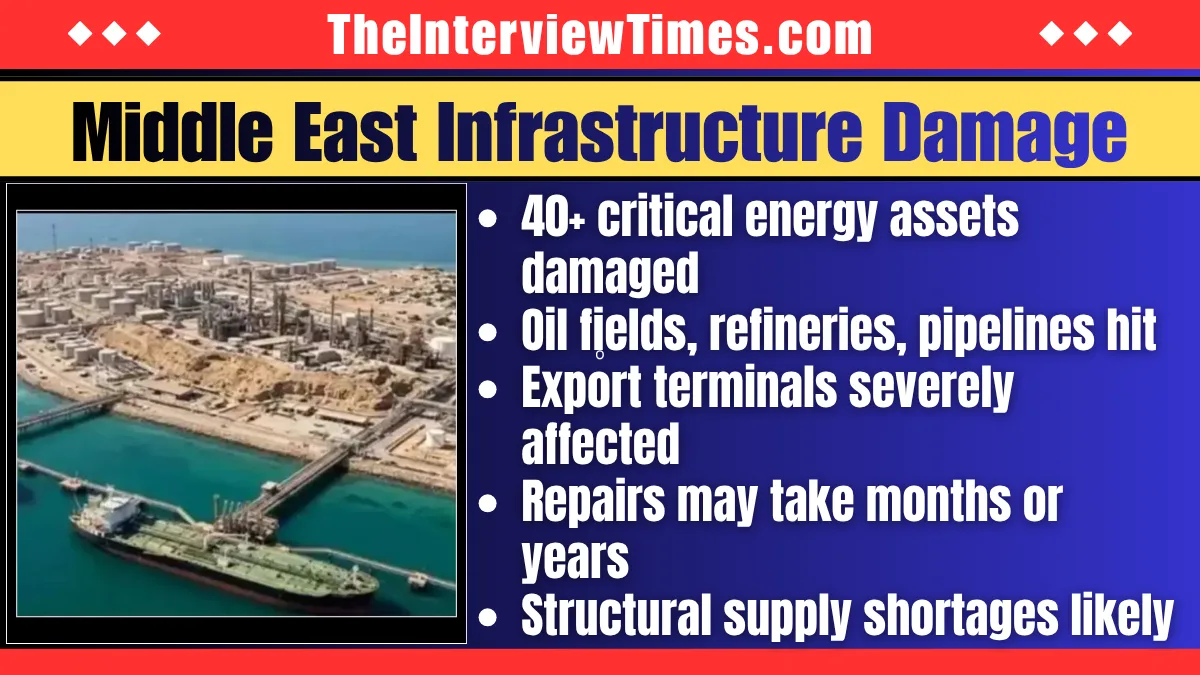
Beyond supply disruptions, the crisis has caused extensive damage to energy infrastructure across the Middle East. According to the IEA, more than 40 critical assets including oil fields, refineries, pipelines, and export terminals have been severely affected.
The damage spans across nine countries, and repairs could take months or even years. This raises the risk of prolonged supply shortages, making the current global energy crisis not just temporary but potentially structural.
IEA Deploys Emergency Measures
To stabilize markets, the IEA has coordinated the release of 400 million barrels from strategic petroleum reserves, marking the largest such intervention in history.
However, Fatih Birol emphasized that these measures offer only short-term relief. He stressed that reopening the Strait of Hormuz remains the most critical step toward restoring balance.
The agency is also in talks with governments for additional coordinated actions as geopolitical tensions continue to escalate.
Asia and India Face Rising Risks
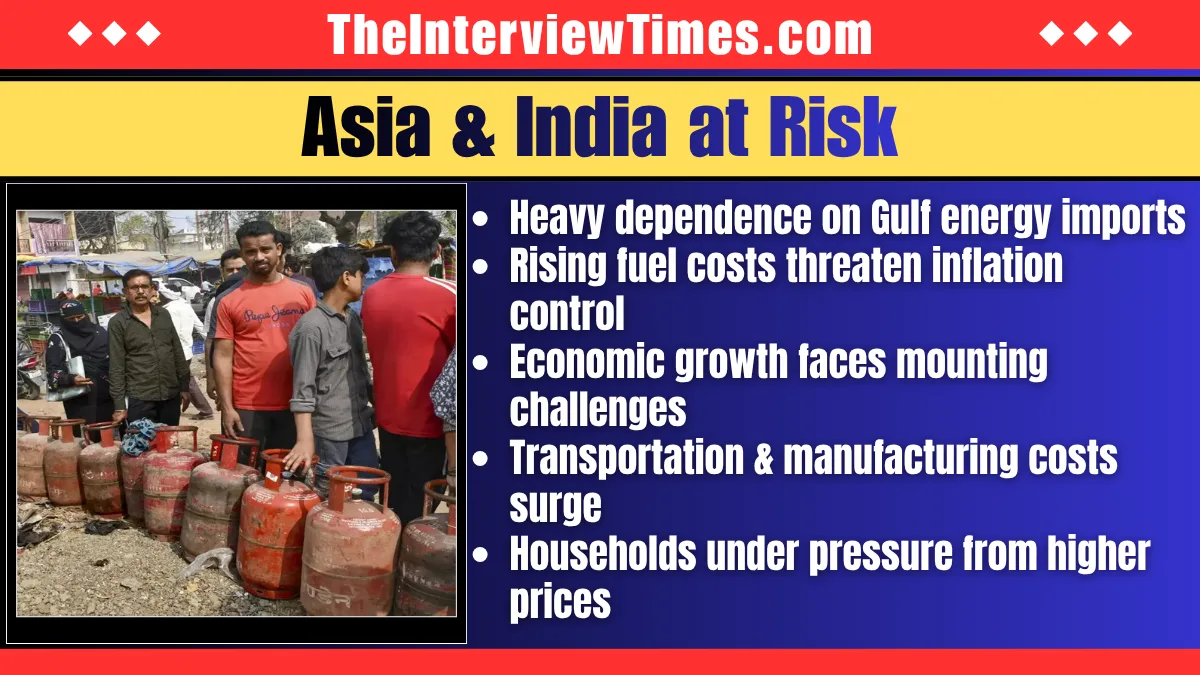
The impact of the global energy crisis is being felt most acutely in Asia, which depends heavily on Middle Eastern energy imports.
India, in particular, faces significant challenges. With a large portion of its oil and LNG sourced from the Gulf region, the disruption threatens:
- Energy supply stability
- Inflation control
- Economic growth
Higher fuel prices are expected to ripple across sectors, increasing transportation and manufacturing costs while adding pressure on households.
Global Economy Under Pressure
The IEA has warned that the crisis poses a “major, major threat” to global economic growth. Governments across the world are now exploring coordinated responses, including potential G7-level interventions.
In addition to supply-side measures, the agency has urged behavioral changes such as remote work, car-sharing, and reduced air travel to ease demand pressure.
With no clear path to de-escalation, markets remain volatile and policymakers face mounting pressure to prevent a deeper economic slowdown.
The situation highlights how quickly geopolitical tensions can transform into a full-scale global economic challenge, with the global energy crisis now at the center of international concern.
Key Takeaways
- The International Energy Agency has warned of the worst global energy crisis in history.
- Disruption in the Strait of Hormuz has cut 11 million barrels per day of oil supply.
- Oil prices have surged above $110 per barrel, raising global inflation risks.
- Asia and India are among the most vulnerable regions due to heavy import dependence.
- Without reopening the strait, the crisis could significantly impact global growth.
