
Chronic Kidney Disease is a silent health crisis linked to diabetes and hypertension. Learn about kidney functions, causes of kidney damage, early detection, dialysis, transplants, and prevention tips.
Chronic Kidney Disease (CKD) is often called a “silent killer” because most people do not realize they have it until the damage is severe. According to the World Health Organization, over 850 million people worldwide live with kidney disease, and millions die each year due to lack of timely diagnosis and treatment. In India, CKD has emerged as a major public health challenge, driven by rising cases of diabetes, hypertension, and lifestyle-related disorders.
This article explores how our kidneys function, why they fail, and what can be done to protect them.
The Vital Role of Kidneys
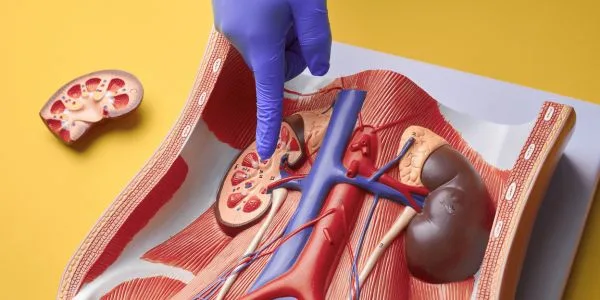
Kidneys are two bean-shaped organs located on either side of the spine, just below the rib cage. Despite their small size, they perform life-sustaining tasks:
- Filtering waste and toxins from the blood.
- Balancing fluids and electrolytes to maintain body stability.
- Regulating blood pressure through hormone control.
- Producing erythropoietin, a hormone that stimulates red blood cell production.
Without healthy kidneys, the body’s internal balance is disrupted, leading to dangerous buildups of waste, swelling, fatigue, and ultimately, organ failure.
Must Read: Sleep Hygiene for Adults: Simple Habits to Improve Sleep Quality Tonight
Why Kidneys Fail: The Common Causes
The two most common causes of CKD (Chronic Kidney Disease) are:
- Diabetes (Diabetic Nephropathy): High blood sugar slowly damages the kidney’s delicate filtering units, reducing their ability to remove toxins.
- Hypertension (High Blood Pressure): Constant pressure on blood vessels weakens kidney tissues, causing scarring and gradual loss of function.
Other causes include genetic conditions such as polycystic kidney disease, recurrent urinary tract infections, autoimmune disorders, and long-term overuse of painkillers or non-steroidal anti-inflammatory drugs (NSAIDs).
Silent Disease: Why Early Detection Matters
One of the greatest challenges with CKD (Chronic Kidney Disease) is that symptoms appear very late. In the early stages, patients may feel completely fine. By the time warning signs like fatigue, swelling in the feet and ankles, changes in urination, foamy urine, or persistent nausea appear, significant kidney damage has already occurred.
Simple medical tests can detect problems early:
- Blood tests to check creatinine levels.
- Urine tests to detect protein leakage.
- Blood pressure monitoring, since hypertension is both a cause and effect of CKD (Chronic Kidney Disease).
Doctors recommend that diabetics, hypertensive patients, and people above 60 years undergo routine kidney screening. Early detection can slow down progression and sometimes prevent complete kidney failure.
Living with CKD (Chronic Kidney Disease) : Real Stories of Survival
Life with kidney failure can be overwhelming. Many patients depend on dialysis—a treatment that filters blood through a machine—three times a week, each session lasting four hours. This routine is physically and emotionally draining, yet lifesaving.
For some, a kidney transplant offers a second chance. But challenges remain—long waiting lists, shortage of organ donors, and the need for lifelong medication to prevent rejection. Patients who successfully undergo transplants often describe it as “a new life,” but access to this treatment is still limited.
Prevention and Protection: Lifestyle Interventions
While not all causes of CKD (Chronic Kidney Disease) are preventable, lifestyle choices play a critical role in maintaining kidney health. Experts recommend:
- Stay hydrated: Drink 8–10 glasses of water daily unless medically restricted. Hydration helps flush out toxins.
- Balanced diet: Eat more fruits, vegetables, and whole grains. Reduce salt and processed foods to ease kidney workload.
- Control diabetes and blood pressure: Follow medical advice, take prescribed medicines, and monitor regularly.
- Avoid painkiller misuse: Long-term use of NSAIDs can severely harm the kidneys.
- Exercise and maintain healthy weight: Even 30 minutes of brisk walking can improve overall health.
- Limit alcohol and quit smoking: Both can damage blood vessels, reducing kidney function.
The Way Forward
Public health experts stress the need for awareness campaigns to encourage early kidney screening, especially in high-risk groups. At the same time, organ donation awareness is crucial to reduce transplant waiting times and save more lives.
Protecting kidney health requires collective responsibility—individual awareness, timely medical care, and strong healthcare policies. In the end, small lifestyle changes today can help avoid dialysis and organ failure tomorrow.