

Punatsangchhu-II Hydroelectric Project Strengthens India-Bhutan Clean Energy Cooperation
India and Bhutan inaugurated the 1,020 MW Punatsangchhu-II Hydroelectric Project, boosting Bhutan’s power capacity and deepening energy ties.
Punatsangchhu-II Hydroelectric Project: Strengthening India-Bhutan Clean Energy Ties
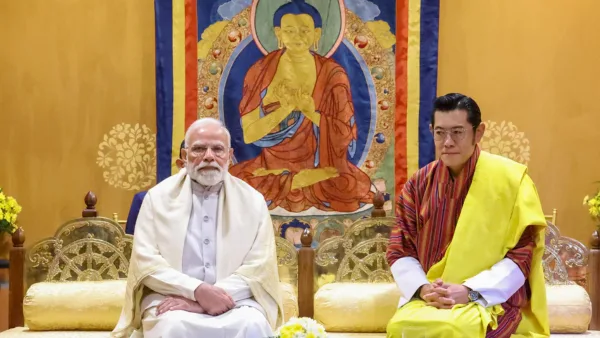
TheInterviewTimes.com | November 11, 2025 — In a landmark step for regional cooperation, Prime Minister Narendra Modi and Bhutan’s King Jigme Khesar Namgyel Wangchuck jointly inaugurated the Punatsangchhu-II Hydroelectric Project, a 1,020-megawatt clean energy initiative symbolizing decades of mutual trust and partnership. Fully financed by India, the project underscores the deep energy interdependence between the two Himalayan neighbors and serves as a model for sustainable hydropower development in South Asia.
Key Points
- The 1,020 MW Punatsangchhu-II Hydroelectric Project was inaugurated by PM Modi and Bhutan’s King.
- India funded the project with Rs 37,778 million through grants and concessional loans.
- It boosts Bhutan’s power generation capacity by 40%, enhancing clean energy exports to India.
- India and Bhutan also signed MoUs for renewable energy, health, and infrastructure.
- The visit reaffirmed India’s long-term support for Bhutan’s sustainable development and connectivity.
A Major Boost to Bhutan’s Power Generation
Located in Bhutan’s Wangdue Phodrang district, the Punatsangchhu-II Hydroelectric Project was built on the swift-flowing Punatsangchhu River. The Indian government provided a total funding package of Rs 37,778 million, with 30% as a grant and 70% as a concessional loan.
The project’s phased commissioning began in December 2024 and achieved full synchronization with Bhutan’s national grid by August 2025. Since operationalization, it has generated more than 1.3 billion units of electricity and earned over Nu 4.9 billion in revenue. With this addition, Bhutan’s hydropower capacity has increased by 40%, cementing its reputation as a regional leader in renewable energy exports to India.
This project adds to the four earlier joint ventures between India and Bhutan, raising their combined installed capacity to over 3,500 megawatts. It represents a vital pillar in India’s strategy to promote cross-border energy cooperation and green growth across the Himalayan region.
Energy and connectivity are two areas where India-Bhutan cooperation is deepening. pic.twitter.com/Nom6uV1Kt6
— Narendra Modi (@narendramodi) November 11, 2025
Expanding Bilateral Cooperation Beyond Hydropower
During Prime Minister Modi’s two-day state visit to Thimphu, both nations reaffirmed their intent to expand collaboration beyond hydropower. Three new Memoranda of Understanding (MoUs) were signed, focusing on emerging renewable sectors such as solar, wind, biomass, green hydrogen, and energy storage technologies.
Additionally, the leaders agreed to revive work on the Punatsangchhu-I Hydroelectric Project, a 1,200-megawatt venture stalled since 2019 due to complex geological challenges. The revival aims to ensure Bhutan’s continued progress as a sustainable power hub in the Himalayas.

Must Read: Bhutan King Jigme Khesar Namgyel Wangchuck: The People’s King Leading a Nation of Happiness
Enhancing Connectivity and Regional Development
India also announced a massive Rs 4,033 crore investment in two strategic cross-border railway links — Kokrajhar-Gelephu and Banarhat-Samtse. Once completed, these will mark Bhutan’s first-ever rail connectivity with India, revolutionizing trade, tourism, and logistics.
A new immigration checkpoint near Gelephu will facilitate smoother movement of tourists and investors. Prime Minister Modi also reaffirmed India’s support for Bhutan’s visionary Gelephu Mindfulness City, an ambitious project envisioned by the Bhutanese King to blend sustainability with innovation and cultural harmony.
Must Read: India’s Economic Growth 2026 Forecast Raised to 7.4%: NIPFP Mid-Year Review
A Renewed Commitment to Regional Stability and Growth
The inauguration of the Punatsangchhu-II Hydroelectric Project comes at a time when geopolitical dynamics in the Himalayas are evolving. With increasing Chinese engagement in the region, India’s sustained partnership with Bhutan reaffirms the strength of their shared cultural and strategic bond.
Modi announced Rs 10,000 crore as India’s contribution to Bhutan’s current Five-Year Plan, reflecting a deep commitment to Bhutan’s inclusive growth and infrastructure modernization. The collaboration continues to embody the principles of trust, sustainability, and mutual prosperity.
Must Read: Bhutan Visa: A Step-by-Step Guide for Global Travelers
Driving a Sustainable Future Together
The Punatsangchhu-II Hydroelectric Project is more than a bilateral energy project — it symbolizes a partnership rooted in environmental stewardship and economic empowerment. As Bhutan continues to export surplus electricity to India, both nations move closer to achieving their renewable energy and carbon neutrality goals.
With clean power, cross-border connectivity, and expanding cooperation in health, technology, and education, the India-Bhutan relationship remains a cornerstone of regional peace and sustainable development.