
TheInterviewTimes.com | 29 November 2025, 11.37 AM IST
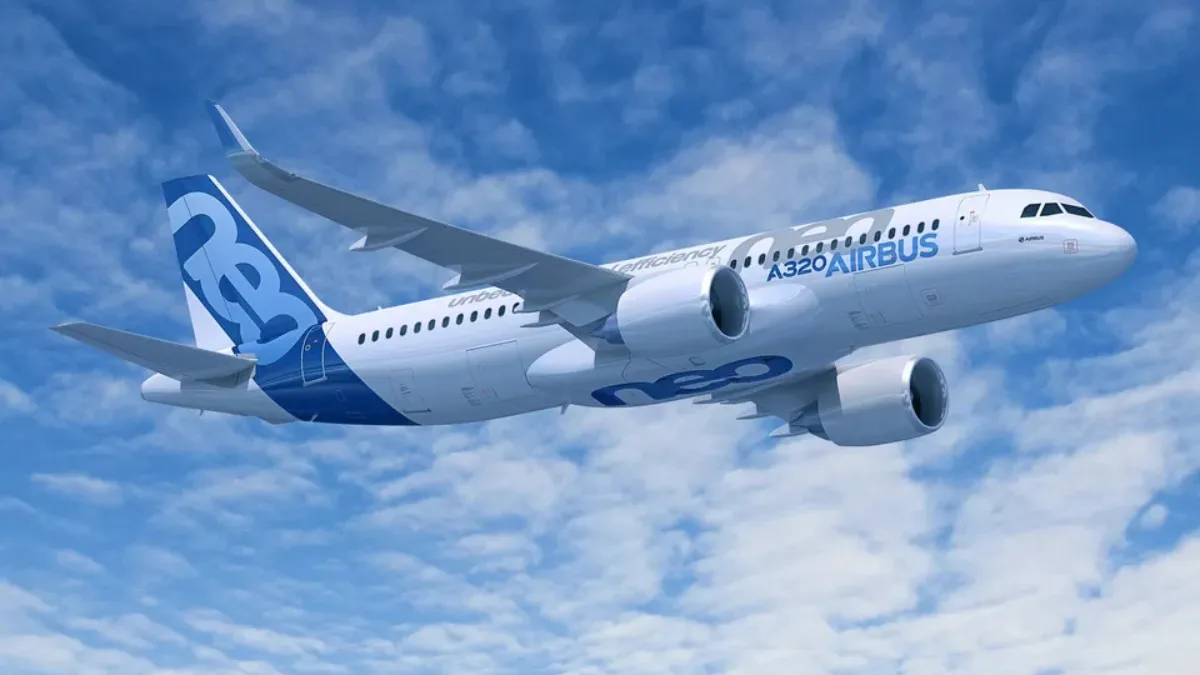
Airbus has ordered urgent repairs on 6,000 A320-family jets worldwide after investigators uncovered a solar-flare software vulnerability that can corrupt critical flight-control systems. Airlines across the U.S., Europe, India, Australia, and Latin America are facing widespread cancellations and delays as emergency fixes roll out.
Airbus Orders Emergency Repairs on 6,000 A320 Jets
In an unprecedented global aviation intervention, Airbus has mandated immediate repairs on more than 6,000 A320-family jets after investigators identified a rare but dangerous Airbus A320 software vulnerability triggered by intense solar radiation. The sweeping directive, issued late on 27 November, has disrupted airline operations worldwide during one of the busiest travel weeks of the year.
The safety alert, delivered through an Airbus “Alert Operators Transmission” (AOT) and reinforced by an Emergency Airworthiness Directive from the European Union Aviation Safety Agency (EASA), affects nearly 54 percent of all A320ceo and A320neo jets currently flying with more than 350 airlines.
Must Read: Putin Written Guarantees: Russia Won’t Attack Europe, Ukraine Rejects Territorial Demands
How the Solar-Flare Discovery Unfolded
The vulnerability was uncovered after a frightening in-flight incident involving a JetBlue Airbus A321 flying from Cancún to Newark on 30 October. At 33,000 feet, the aircraft abruptly pitched downward without pilot command, injuring 24 passengers and two crew members.
Investigators later determined that a powerful solar proton storm had corrupted data inside one of the aircraft’s Elevator Aileron Computers (ELAC), specifically the L99 software version. This corruption briefly forced the aircraft into an unsafe alternate control mode.
A broader fleet analysis revealed that A320-family aircraft delivered between mid-2022 and October 2025 were running a software build vulnerable to “single-event upsets.” These high-energy particle strikes — common during intense solar-flare activity — can disrupt digital flight-control systems and, in rare cases, affect both ELAC units simultaneously.
Although Airbus stressed that the probability remains extremely low, the risk to critical flight-control protection made immediate action unavoidable.
What Airlines Must Fix Immediately
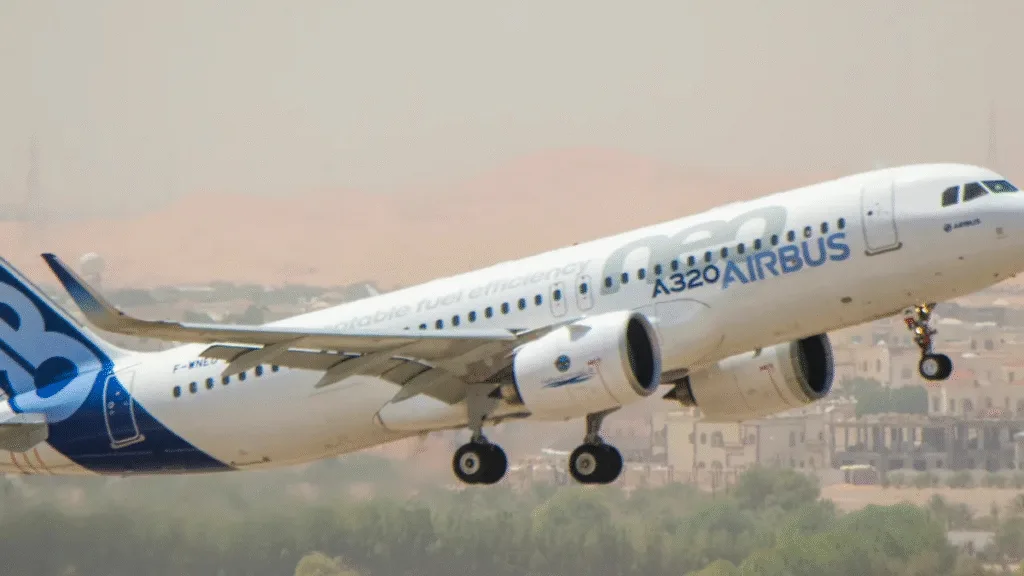
Airbus has outlined a two-tiered repair plan for airlines worldwide. Around 90–95 percent of affected jets require only a software rollback to the robust ELAC L97 standard, a process taking two to three hours per aircraft. However, between 500 and 700 newer A321neo aircraft need physical replacement of one or both ELAC units because their hardware cannot support the older software, extending downtime to between 12 and 48 hours.
Most repairs can be completed at airport gates or inside hangars. While ferry flights are permitted, commercial services cannot resume until repairs are completed and certified.
“Safety is non-negotiable,” an Airbus spokesperson said on Friday. “We are acting with full coordination from EASA to ensure immediate mitigation of the Airbus A320 software vulnerability.”
Global Disruptions Hit Airlines and Travellers
The grounding order came at the worst possible moment — the U.S. Thanksgiving holiday and the start of the northern-hemisphere winter travel season. Airlines across Asia, Europe, the Americas, and Australia scrambled to reshuffle fleets and minimise disruptions.
By Saturday morning (29 November IST), All Nippon Airways had cancelled 65 domestic flights in Japan, while Jetstar grounded 34 aircraft and cancelled around 90 services across Australia and New Zealand. Avianca suspended ticket sales until 8 December due to heavy operational strain, and IndiGo — the world’s largest A320 operator — estimated 200–300 daily delays or cancellations.
Major global carriers including American Airlines, Delta, United, Lufthansa, Air India, easyJet, and Wizz Air also reported disruptions, though many described the impact as manageable. Flight-tracking systems recorded more than 1,100 A320-family cancellations by 18:00 UTC on Friday, with thousands more delayed.
Must Read: Putin India Visit 2025: Annual Summit to Focus on Defence, Trade Imbalance and Tariff Pressures
Regulators and Industry Leaders Respond
EASA Director General Luc Tytgat defended the aggressive timeline for compliance, citing elevated risks during the ongoing solar maximum. The U.S. Federal Aviation Administration issued a matching Emergency Airworthiness Directive on Friday night, covering approximately 2,800 American-registered aircraft.
IATA Director General Willie Walsh urged regulators to consider phased implementation for carriers operating in regions with limited maintenance infrastructure. He warned that global supply-chain challenges and peak-season demand would amplify disruptions.
Airbus has deployed more than 200 field engineers and committed to providing software and hardware replacements at no cost to operators.
Advice for Passengers Worldwide
Travellers flying on A319, A320, or A321 aircraft — including neo variants — are advised to check flight status directly with their airline, arrive early due to possible last-minute aircraft swaps, and consider flexible rebooking options offered by many carriers.
Airlines expect large-scale recovery by 1 December, though regional operators in Latin America, Southeast Asia, and India may face lingering delays into mid-week.
Key Takeaways
- More than 6,000 A320-family aircraft require urgent repairs to fix an Airbus A320 software vulnerability linked to solar radiation.
- The corrective action follows a serious JetBlue incident involving corrupted flight-control software.
- Airlines globally have cancelled more than 1,100 flights, with India, Australia, Japan, and the U.S. among the worst affected.
- European and U.S. regulators have issued emergency directives for immediate compliance.
- Major airlines expect operations to stabilise early next week, though some regions may see continued delays.