
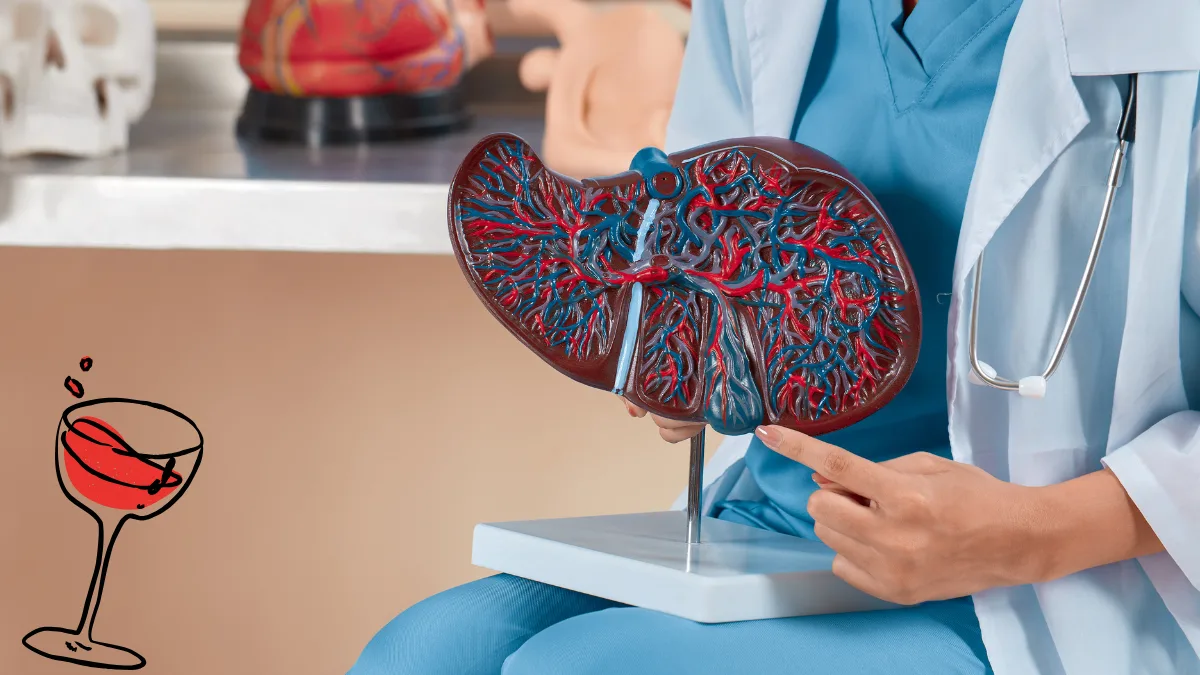
A groundbreaking Colorado study reveals that blocking one enzyme, ketohexokinase (KHK), can prevent alcohol-induced liver disease and reduce alcohol cravings. With KHK inhibitors already developed, this breakthrough may revolutionize global treatment for alcohol-related liver damage and addiction.
TheInterviewTimes.com | November 18, 2025: In a breakthrough that could change the future of liver disease treatment worldwide, researchers at the University of Colorado Anschutz Medical Campus have identified a single enzyme that, when blocked, can completely prevent alcohol-related liver damage and reduce the craving to drink. The discovery marks one of the most significant advancements in liver science in decades and could pave the way for the first dual-action therapy that targets both addiction and organ injury.
Researchers Identify KHK as the Central Driver of Alcohol-Related Liver Disease
The enzyme at the center of the discovery is ketohexokinase (KHK), previously recognized only for metabolising fructose from sugary foods and beverages. The new study reveals a more complex and damaging role: when a person consumes alcohol, the liver creates its own fructose through an internal biochemical process. This fructose activates KHK, accelerating fat buildup, inflammation, and scarring — the exact mechanisms behind alcohol-associated liver disease.
Published on November 10 in the journal Nature Metabolism, the research shows that mice genetically altered to lack KHK, or treated with drugs that block the enzyme, exhibited virtually no liver damage, even after months of alcohol exposure equivalent to chronic heavy drinking in humans.
Dr. Richard Johnson, senior author and one of the world’s leading experts on fructose metabolism, said the findings were “astonishing.”
“Under the microscope, their livers looked almost pristine. No inflammation, no fat deposits, no fibrosis. It was as though they had not been drinking at all.”
A Hidden Fructose Pathway That Links Drinking and Liver Disease
For decades, scientists believed alcohol’s toxicity was driven mainly by acetaldehyde and oxidative stress. The Colorado team has revealed an entirely different pathway: alcohol activates the polyol pathway, converting glucose inside the liver into fructose. This newly produced fructose then acts as fuel for KHK, creating metabolic and inflammatory cascades associated with liver disease, including steatosis, hepatitis, and cirrhosis.
The study also uncovered a neurological dimension. Some of the fructose produced in the liver travels to the brain’s reward center, increasing dopamine release and reinforcing addictive drinking behavior.
Lead author Dr. Ana Andres-Hernando explained:
“Alcohol essentially hijacks the same reward pathway triggered by sugary foods. By blocking KHK, we break that cycle and protect the liver at the same time.”
Existing KHK-Blocking Drugs Could Fast-Track Human Trials
This discovery is particularly promising because pharmaceutical companies already have KHK inhibitors tested in humans. Pfizer’s drug PF-06835919 previously reached Phase 2 trials for MASLD (metabolic dysfunction-associated steatotic liver disease) and demonstrated favorable safety results.
Because the drugs already exist, researchers believe human trials targeting alcohol-related liver disease may begin far sooner than typical drug-development timelines.
However, Dr. Johnson cautioned that human trials are essential before drawing firm conclusions. “The potential is extraordinary, but we need large-scale human studies before clinical use.”
Must Read: Liver Health Crisis: A Silent Epidemic Impacting Millions Globally, with India’s 18.3% Death Toll
A Possible Turning Point in the Global Liver Disease Crisis
Alcohol-associated liver disease remains the leading cause of cirrhosis worldwide, and liver transplants due to alcohol misuse continue to rise sharply. In the United States, alcohol-related liver deaths have tripled since 1999, with rates climbing dramatically during the COVID-19 pandemic.
Today, the only proven treatment is complete abstinence — a difficult goal for most patients. Anti-craving medications can reduce drinking but cannot heal a damaged liver. This makes the new enzyme-targeted therapy especially promising.
Co-author Dr. Miguel Lanaspa said,
“If this works in humans, we could have the first medication that treats both the addiction and the organ damage. That would be revolutionary.”
Breakthrough Extends Beyond Alcohol to MASLD and Obesity
The findings are not limited to alcohol use. The same fructose-KHK pathway is activated by high-sugar diets, meaning the new therapy could also benefit patients with MASLD, the most common form of non-alcoholic liver disease, now affecting nearly one in three American adults.
Dr. Johnson noted,
“Whether fructose comes from alcohol or soft drinks, the liver disease it triggers looks the same.”
The University of Colorado has filed patents on the use of KHK inhibitors for alcohol-related conditions and is in advanced discussions with industry partners to begin clinical trials.
Must Read: Kerala Tourist Destinations 2025–2026: The Ultimate Guide for Foreign Travelers
Key Takeaways
- Blocking the enzyme KHK may completely prevent alcohol-related liver disease.
- Alcohol creates internal fructose that drives liver inflammation and fat buildup.
- Existing KHK inhibitors could fast-track human clinical trials.
- The treatment may address both addiction and liver injury simultaneously.
- The breakthrough could also help patients with MASLD and sugar-related liver disease.