
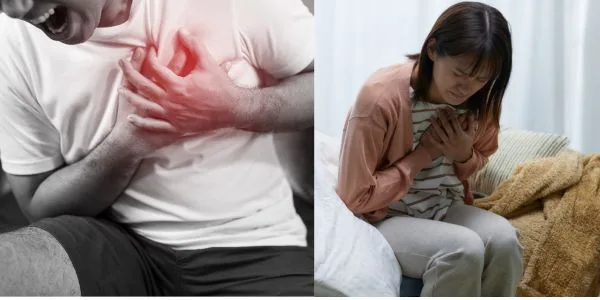
Discover the key differences in chest pain symptoms of heart disease between men and women. Learn the early warning signs, how they’re experienced differently, and why timely recognition is crucial for heart health.
Heart disease is the leading cause of death worldwide. For both men and women, chest pain can signal serious heart problems—but the symptoms are not always the same. Understanding the differences in heart disease symptoms between men and women is vital for early detection and life-saving treatment. This article explains everything you need to know about chest pain, heart disease warning signs, and what makes the female heart attack experience unique.
What Is Heart Disease?
Heart disease refers to conditions that affect the heart’s structure and function, most often involving blocked or narrowed blood vessels (coronary artery disease). These blockages can reduce oxygen supply to the heart muscle, resulting in symptoms such as chest pain (angina), shortness of breath, and heart attack.
Classic Heart Disease Symptoms in Men
For men, the classic sign of heart disease is “typical” chest pain—often described as a feeling of pressure, heaviness, squeezing, or tightness in the center or left side of the chest.
Typical features of chest pain in men:
- Quality: Pressure, squeezing, or fullness in the chest.
- Intensity: Moderate to severe pain.
- Duration: Usually less than 20 minutes and often triggered by physical exertion or stress.
- Radiation: Pain can spread to the left arm, shoulder, jaw, or back.
- Associated Symptoms: Nausea, sweating, and shortness of breath often accompany the chest pain.
Recognizing these warning signs of a heart attack in men can be the difference between life and death. If you or someone you know experiences these symptoms, seek emergency help immediately.
Must Read: Top 10 Pop Stars of the World in 2025: Who’s Leading the Global Music Wave?
How Chest Pain Differs in Women
Women can have the same kind of chest pain as men, but they are more likely to experience “atypical” heart disease symptoms—making recognition more challenging and leading to underdiagnosis.
Atypical heart disease symptoms in women include:
- Discomfort rather than pain: Burning, aching, or a sense of pressure.
- Wider area affected: Pain can radiate to the neck, jaw, either arm, back, or even upper abdomen.
- Longer duration: Symptoms may last longer than 20 minutes and may not be severe.
- Occurs at rest: Chest discomfort may appear without physical exertion, even during sleep.
- Other warning signs: Extreme fatigue, shortness of breath, indigestion or nausea, dizziness, sweating, and upper back pain are common.
Women are also at higher risk for microvascular disease (affecting small heart arteries), which may not appear on routine heart tests. This increases the chance of symptoms being mistaken for anxiety, acid reflux, or other non-cardiac causes, delaying treatment.
Must Read: Top 10 Emerging Career Options Students Should Know in 2025
Key Differences in Chest Pain: Men vs. Women
| Symptom Feature | Men (Typical) | Women (More Atypical) |
| Chest Sensation | Pressure, squeezing, heaviness | Mild pain, burning, fullness, aching |
| Pain Location | Center/left chest, left arm | Neck, jaw, back, right/left arm, upper abdomen |
| Duration | <20 minutes, resolves with rest | Can last longer, may occur at rest |
| Associated Symptoms | Nausea, sweating, shortness of breath | Unusual fatigue, indigestion, dizziness, back pain, nausea |
| Trigger | Exertion or stress | Rest or sleep, emotional stress |
Why These Differences Matter
- Women’s symptoms are more likely to be missed, partly due to their subtlety and misunderstanding of heart disease presentation.
- Prompt recognition and emergency care can save lives, especially given the risks of delay in diagnosis among women.
What to Do If You Suspect Heart Disease
Never ignore chest discomfort, especially if you have risk factors like high blood pressure, cholesterol, family history, or diabetes. Seek immediate medical attention if you experience:
- Persistent chest pain or discomfort (even if mild)
- Pain spreading beyond the chest
- Unexplained shortness of breath, nausea, sweating, lightheadedness, or extreme fatigue
Conclusion
Heart disease does not discriminate by gender, but the symptoms can. Chest pain in women is often more subtle and easily dismissed, but it’s just as dangerous as the classic symptoms seen in men. By staying informed about the differences in heart attack symptoms for men and women, you can protect yourself and your loved ones.
Must Read: Obesity-Linked Cancer Deaths in the U.S. Tripled Since 1999, New Study Warns of Health Crisis