
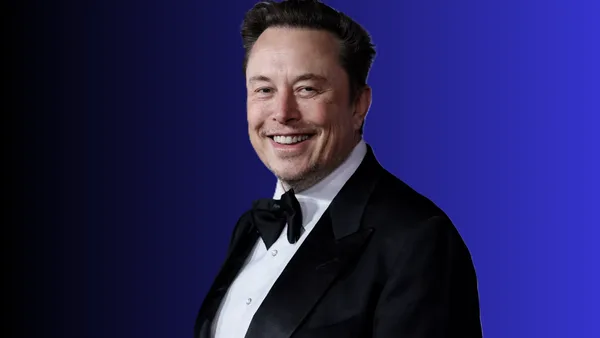
Elon Musk Secures $1 Trillion Tesla Pay Package | Record Executive Compensation Approved by Shareholders
Tesla shareholders approve Elon Musk’s $1 trillion compensation package, the largest in corporate history, amid controversy and global investor debate.
Key Points
- Elon Musk wins shareholder approval for a record $1 trillion Tesla pay package.
- The 10-year plan ties rewards to Tesla’s valuation goals of up to $8.5 trillion.
- Musk’s stake in Tesla could rise from 15% to nearly 25% if goals are met.
- Major investors like Norway’s wealth fund opposed the deal over governance concerns.
- The decision cements Elon Musk’s dominance in shaping Tesla’s strategic future.
Elon Musk’s $1 Trillion Compensation Deal: A Corporate Milestone
Tesla shareholders have officially approved Elon Musk’s unprecedented $1 trillion compensation package in a landmark vote, making it the largest executive pay deal in corporate history. Despite significant opposition from major institutional investors and governance watchdogs, more than 75 percent of voting shares supported the proposal during Tesla’s annual meeting in Austin, Texas.
The approval underscores Musk’s unmatched influence over Tesla’s direction and his ability to inspire both investors and markets through bold innovation and aggressive growth strategies.
Performance Targets and Compensation Structure
The package aims to motivate Elon Musk with 12 performance-based tranches over the next decade, pushing Tesla toward remarkable milestones. To unlock the full payout, Tesla must elevate its market capitalization from around $1.5 trillion to an astonishing $8.5 trillion—more than double Nvidia’s current valuation.
Operational goals are equally ambitious: Tesla must deliver 20 million vehicles per year, acquire 10 million Full Self-Driving subscribers, deploy one million robotaxis into service, and produce one million Optimus humanoid robots.
Financially, Musk’s rewards are linked to Tesla’s profitability, starting at $50 billion in annual adjusted profits for the first tier and reaching $400 billion for the top level. Each tranche depends entirely on Elon Musk’s leadership and Tesla’s execution of these unprecedented targets.
Must Read: Grand Egyptian Museum: Complete Tourist Guide to Egypt’s Newest Wonder
Voting Power and Strategic Control
A central feature of the deal strengthens Elon Musk’s voting power within Tesla. If all tranches are achieved, his stake would rise from roughly 15% to about 25%, solidifying his command over the company’s future.
Tesla’s board chair, Robyn Denholm, described the package as being “less about money and more about voting influence,” noting that Elon Musk insists on decisive control to push forward transformative projects such as robotaxis and humanoid robots.
Interestingly, the agreement includes no formal time requirements for Elon Musk or limitations on his other ventures, including SpaceX, Neuralink, and X (formerly Twitter).
Investor Opposition and Governance Debate
Not all stakeholders endorsed the decision. Norway’s $2 trillion sovereign wealth fund, one of Tesla’s largest external shareholders, voted against the plan, citing concerns over “the overall size of the award, potential dilution, and lack of mitigation of key person risk.”
Proxy firms Glass Lewis and Institutional Shareholder Services also recommended rejection, estimating the total potential value of Elon Musk’s package at $141.6 billion—well above Tesla’s internal estimate of $87.8 billion. In response, Elon Musk labeled these firms as “corporate terrorists,” criticizing their perceived interference in entrepreneurial freedom.
Yet, several major investors backed him. Ron Baron of Baron Capital Management stated, “Without Elon Musk’s relentless drive and vision, there would be no Tesla.” Florida’s State Board of Administration and Charles Schwab Asset Management also voiced strong support, highlighting his leadership as central to Tesla’s innovation.
Must Read: Project Suncatcher: Google’s Bold Step Toward In-Space AI Computing
Industry Impact and Future Outlook
The approval of Elon Musk’s record-breaking compensation plan has ignited a global conversation about executive pay, performance incentives, and corporate governance standards. Critics warn that it could encourage similar high-risk compensation structures across industries, potentially prioritizing growth targets over shareholder returns.
Nevertheless, Elon Musk’s track record suggests an ability to defy odds. Market observers are watching closely to see if Tesla can meet its ambitious production and technological goals, from full self-driving cars to humanoid robots.
For supporters, the package represents a bold bet on Elon Musk’s visionary leadership—a figure who has consistently pushed the boundaries of electric mobility, AI, and renewable energy.
As the world debates the ethics and economics of billion-dollar CEO compensation, one thing remains clear: Elon Musk continues to redefine what is possible in corporate ambition and technological transformation.