

Discover how vaccines train your immune system to build lasting protection. Learn the science of immunity, antibodies, and why booster doses matter in preventing deadly diseases.
Vaccines are one of the greatest breakthroughs in modern medicine. They have saved millions of lives by transforming once-deadly diseases like smallpox, diphtheria, and polio into preventable conditions. But beyond the life-saving statistics lies a fascinating scientific story: how vaccines “train” the body’s immune system to recognize and fight off infections.
To understand this, we must first break down how the immune system works and then explore how vaccines use its natural mechanisms to build long-term protection.
The Two Arms of Immunity: Innate vs. Adaptive
The immune system is a complex defense network that protects the body from bacteria, viruses, and other harmful invaders. Broadly, it works in two phases:
1. Innate Immunity – The First Line of Defense
- Acts immediately, within minutes to hours.
- Provides non-specific defense: barriers like skin, mucus, and general-purpose immune cells such as neutrophils and macrophages.
- Think of it as the “border guards”—they stop most invaders quickly but don’t recognize specific pathogens.
2. Adaptive Immunity – The Memory Makers
- Slower to respond initially (days to weeks), but far more targeted and powerful.
- Uses specialized cells:
- B cells → make antibodies that neutralize invaders.
- T cells → destroy infected cells and help coordinate immune responses.
- Most importantly, adaptive immunity creates memory cells—cells that “remember” a pathogen and provide faster, stronger responses in the future.
It is this adaptive immunity that vaccines harness.
How Vaccines Work: A Safe Rehearsal for the Body
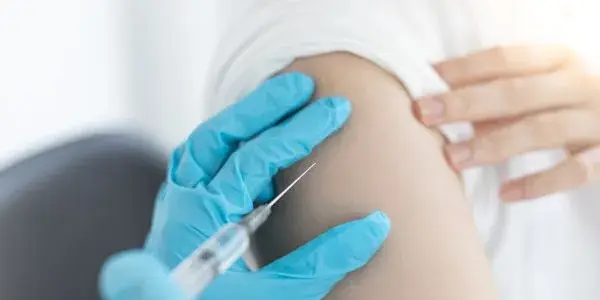
Vaccines essentially give the immune system a “training session” without causing the actual disease. They expose the body to safe components of a pathogen, such as:
- Inactivated or killed pathogens (e.g., polio vaccine).
- Live but weakened pathogens (e.g., measles, mumps, rubella vaccine).
- Protein subunits (e.g., hepatitis B vaccine).
- mRNA or viral vector platforms (e.g., COVID-19 vaccines).
The Three-Step Immune Training Process:
- Recognition – Immune cells detect the vaccine antigen (a harmless mimic of the real pathogen).
- Response – B cells produce antibodies, and T cells learn to identify and kill infected cells.
- Memory – The body stores memory B and T cells, ready to respond immediately if the actual pathogen arrives.
In simple terms, vaccines are like flight simulators for the immune system—allowing it to practice against a safe copy before the real danger shows up.
The Role of Antibodies
Antibodies are Y-shaped proteins that recognize and bind to specific parts of pathogens (antigens). Once bound, they either neutralize the invader directly or mark it for destruction by other immune cells.
When you are vaccinated:
- Primary Response: The first exposure creates antibodies slowly, over a week or two.
- Secondary Response: Thanks to memory cells, the next exposure triggers a rapid surge in antibodies—often neutralizing the pathogen before symptoms even appear.
This is why vaccinated people are usually protected from severe illness even if exposed.
Why Booster Doses Are Needed
Immunity isn’t always permanent. Over time, antibody levels can decline, and memory cells may weaken. Booster shots remind the immune system about the threat and refresh its defenses.
- Tetanus: Requires boosters every 10 years.
- COVID-19: Boosters became essential as new variants emerged.
- HPV vaccine: Usually given in multiple doses to build strong protection.
Boosters are like periodic fire drills—keeping the immune “army” alert and prepared.
Must Read: The Body’s Best Defense: Unlocking the Secrets of Vaccines
Global Success Stories
- Smallpox Eradication: Through widespread vaccination, smallpox was declared eradicated in 1980—the first disease eliminated from Earth.
- Polio Near Elimination: Polio has been wiped out in most countries, with only a few regions reporting cases.
- COVID-19: Vaccines helped reduce hospitalization and death rates worldwide, proving the power of rapid scientific innovation.
Each success story demonstrates how vaccines work with, not against, our biology.
Misconceptions and the Importance of Public Trust
Despite overwhelming evidence, misinformation about vaccines remains widespread. Some common myths include:
- “Vaccines cause disease.” → False. They contain weakened or inactivated components that cannot cause illness.
- “Natural infection is better.” → Dangerous. Natural infection can cause severe illness or death, while vaccines provide safe immunity.
- “Too many vaccines overwhelm the immune system.” → False. The immune system encounters thousands of antigens daily; vaccines are a tiny addition compared to natural exposure.
Public understanding of how vaccines actually work is crucial for maintaining global health.
Must Read: Common Nutrient Deficiencies for Men Over 40: Causes and Solutions
Why This Science Matters Today
As the world faces emerging threats like novel coronaviruses, avian flu, and antimicrobial resistance, vaccines will remain our strongest shield. Research is advancing toward universal vaccines (like a single shot covering all flu strains) and even cancer vaccines that train the immune system to attack tumors.
By understanding the science behind vaccines, people can make informed health decisions, support immunization campaigns, and appreciate the extraordinary achievement of human science in turning the immune system into a lifelong ally.
Key Takeaway: Vaccines train the adaptive immune system by safely mimicking infections, creating memory cells that provide fast, powerful protection. Booster doses keep this protection strong, ensuring long-lasting immunity.