
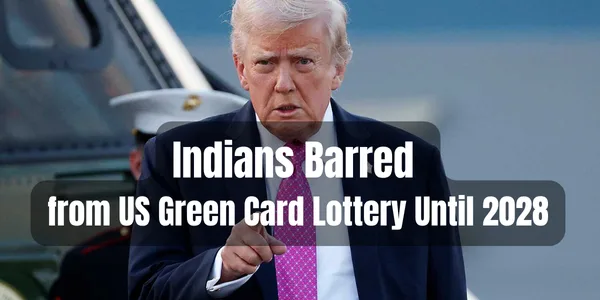
Indians remain ineligible for the US Green Card Lottery until 2028 due to high immigration numbers and restrictive visa policies, impacting skilled professionals.
Indian nationals face a major setback in their pursuit of the US Green Card, as they remain ineligible for the Diversity Visa (DV) Lottery—commonly called the US Green Card Lottery—until at least 2028. This exclusion stems from surging immigration numbers and stringent policies under the Trump administration, severely limiting pathways to permanent US residency.
Why Indians Are Ineligible for the US Green Card Lottery
The US Green Card Lottery program awards 55,000 immigrant visas each year to promote diversity by selecting applicants from countries with low US immigration rates. A key eligibility rule: Nations sending fewer than 50,000 immigrants to the US in the prior five years qualify.
India exceeds this limit dramatically. US State Department data reveals:
- 93,450 Indian immigrants in 2021
- 127,010 in 2022
- 78,070 in 2023
These numbers confirm India’s third consecutive year of exclusion, with ineligibility extending through 2027 and into 2028. Other barred countries include China, Canada, South Korea, Pakistan, Bangladesh, Brazil, Venezuela, and the Philippines, all surpassing the threshold due to high migration volumes.
Must Read: India eVisa 2025: Full Guide to Eligibility, Visa Types, and Application Process
Impact on Indian Aspirants Seeking the US Green Card
For millions of Indians dreaming of a US Green Card, this ban closes a vital, low-cost entry point to permanent residency. Experts warn that combined with broader US immigration restrictions, it funnels applicants into oversubscribed options like:
- H-1B work visas
- EB employment-based green cards
- Family-sponsored petitions
“The US Green Card Lottery was a lifeline for middle-class professionals,” says a Washington-based immigration analyst. “Now, until 2028, Indians must navigate pricier, competitive routes amid policy clampdowns.”
Trump Administration’s Role in Restricting US Green Card Access
Since President Trump’s 2025 return, his administration has intensified visa curbs. A September executive order imposed a $100,000 fee on new H-1B applications, drawing tech industry outrage and lawsuits from the US Chamber of Commerce.
Commerce Secretary Howard Lutnick justified the hike, arguing it counters corporate exploitation of foreign labor and prioritizes training American workers. Further, proposed H-1B lottery reforms aim to favor high-salary roles, potentially sidelining others until 2026.
Must Read: India e-Arrival Card 2025 for Foreigners: Step-by-Step Process, Rules, and Key Benefits
Shrinking Pathways to the US Green Card for Indians
The DV exclusion and H-1B fees create “immigration gridlock” for Indians. Student visas now face rigorous checks, including social media reviews and national security vetting. The October 2025 Visa Bulletin shows EB green card wait times for Indians exceeding 12 years, trapping skilled workers in limbo.
Must Read: Explained: China’s New K Visa and What It Means for Global Tech Talent
Broader Effects and Global Shifts
These changes may redirect Indian talent to welcoming destinations like Canada, the UK, and Australia, which boast streamlined residency programs. A Migration Policy Institute expert cautions: “The US risks forfeiting top Indian tech professionals to more accessible markets.”
The administration maintains these measures ensure “balanced global representation,” favoring underrepresented areas like Africa and Eastern Europe over high-volume senders like India.
Indian professionals eyeing a US Green Card should explore alternatives early, consult immigration attorneys, and monitor State Department updates for potential policy shifts before 2028.
Must Read: Coca-Cola IPO: $1 Billion Listing Planned for Indian Bottling Unit HCCB Amid Global MNC Boom
US Green Card Lottery: Key Takeaways
- India remains barred from the US Green Card Lottery India program until 2028.
- Over 12-year backlogs exist for employment-based green cards for Indian professionals.
- Restrictive H-1B reforms and high fees further limit legal immigration options.
- Skilled migration may increasingly shift to Canada, Australia, and the UK.