
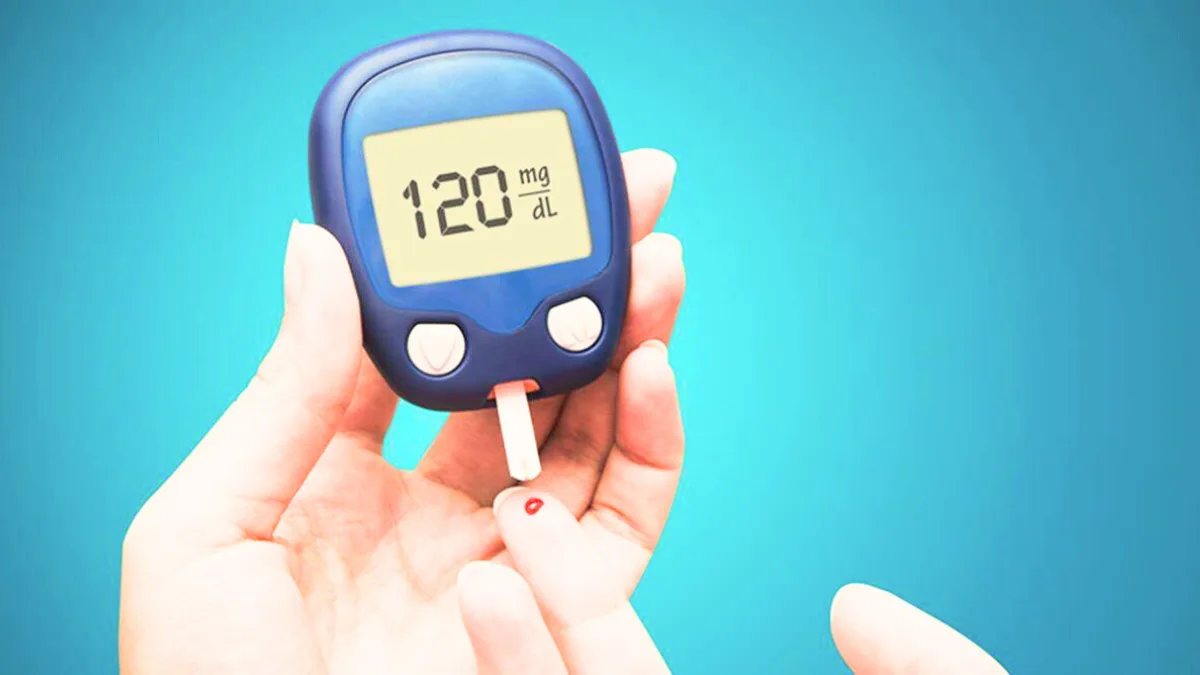
India’s diabetes crisis is worsening as millennials and Gen Z face alarming health risks, driven by stress, poor diet, and inactivity. The ICICI Lombard India Wellness Index 2025 shows 17% of Indians now live with diabetes, signaling a major shift in India’s health landscape and raising urgent calls for preventive care.
TheInterviewTimes.com | November 13, 2025 —India’s Diabetes Crisis has reached a worrying new stage, with millennials and Gen Z emerging as the most vulnerable groups, according to the ICICI Lombard India Wellness Index 2025, released ahead of World Diabetes Day. The national survey reveals that 17% of Indians now report having diabetes, reflecting a sharp and sustained increase from previous years. The data signals a demographic shift in a disease once largely associated with middle-aged or older adults.
Younger Generations Hit Hardest by Lifestyle and Stress
The report paints a stark picture of how lifestyle patterns among younger Indians are fueling the crisis. Millennials, now in their 30s and 40s, are facing high diabetes risk due to sedentary work routines, chronic stress, and unhealthy diets. Nearly one in three Indians experience elevated stress daily, while 41% report constant fatigue.
Corporate professionals are especially at risk, with poor sleep, minimal exercise, and erratic eating patterns leading to higher metabolic disorders.
Must Read: AI in Healthcare 2025: How Artificial Intelligence Is Redefining Diagnosis and Treatment
India’s Diabetes Crisis: Gen Z Faces Early Onset Health Decline
The situation is even more alarming among Gen Z, who recorded declines across all six wellness pillars: physical, mental, financial, family, social, and workplace health. Rising anxiety, irregular sleep, and financial instability are driving lifestyle imbalances. The report found Gen Z’s physical activity levels are significantly lower than older cohorts, creating conditions ripe for early-onset diabetes and obesity-related illnesses. The pressures of urban life, screen overuse, and processed diets have further compounded health vulnerabilities.
India at the Center of the Global Diabetes Burden
Health experts warn that India’s Diabetes Crisis could become a national emergency. The International Diabetes Federation (IDF) estimates that nearly 90 million Indian adults aged 20–79 were living with diabetes in 2024 — the second-highest number globally after China. Projections suggest this figure could soar to 157 million by 2050 if preventive action is not taken.
The COVID-19 pandemic worsened this trajectory, with long lockdowns increasing sedentary behavior, weight gain, and poor sleep hygiene among young adults.
Ignorance of Early Symptoms Worsens the Outlook
Alarmingly, nearly 40% of Indians overlook early warning signs of diabetes and heart disease, dismissing fatigue, depression, or poor focus as mere stress. This lack of early screening delays diagnosis and accelerates complications like hypertension, neuropathy, and cardiovascular diseases.
Experts emphasize that awareness campaigns and regular health check-ups are essential to counter the silent progression of diabetes across India’s youth.
Wellness Gains Among Gen X and Women
The Index also revealed positive trends: Gen X and women recorded improvements in physical fitness, work-life balance, and health literacy. However, these gains are overshadowed by the worrying decline among younger demographics, threatening India’s long-term productivity and healthcare resilience.
Must Read: 7000 Steps Offer Major Health Benefits, New Study Finds — Challenging 10,000-Step Myth
A Call for Preventive and Holistic Health Policy
Public health authorities argue that India’s Diabetes Crisis demands a nationwide approach integrating corporate wellness programs, nutrition education, and mental health support. Companies that invest in employee health are likely to retain more productive and resilient workforces, while government-backed wellness policies can safeguard India’s demographic dividend.
India’s Diabetes Crisis: Key Takeaways
India’s Diabetes Crisis underscores a dangerous trend — the early onset of chronic diseases among the country’s youngest working-age population. The rising diabetes prevalence among millennials and Gen Z highlights the urgent need for preventive care, mental health awareness, and lifestyle reform. Without coordinated national action, the epidemic threatens to strain India’s healthcare system and erode its future economic potential.