
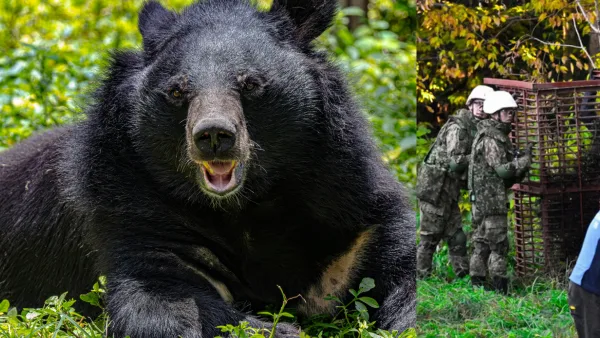
Japan Deploys Troops to Combat Rising Bear Attacks Amid Climate and Population Shifts
Japan sends troops to control a surge in bear attacks, with over 100 incidents and 12 deaths this year, driven by climate change and rural decline.
TheInterviewTimes.com | Tokyo | November 6, 2025 — Japan has launched an emergency operation to counter a record surge in bear attacks that has killed 12 people and injured dozens more this year. The government has deployed troops from the Japan Self-Defense Forces (JSDF) to help local authorities in northern regions, marking an unprecedented step in wildlife control. The move underscores the growing threat of bear attacks driven by climate change, food scarcity, and rural depopulation.
Record Rise in Bear Attacks Across Northern Japan
According to Japan’s Environment Ministry, bear attacks have risen sharply, with over 100 incidents reported since April — the highest in decades. Akita Prefecture, in northern Japan, has seen the worst surge, recording more than 8,000 bear sightings and accounting for two-thirds of recent fatalities.
The government’s rapid response came after bears entered populated areas, broke into supermarkets, and attacked workers near hot-spring resorts. Schools in affected areas have been forced to close temporarily due to bear sightings. Local residents are now being urged to avoid forests and stay indoors after dark.
Mayor Shinji Sasamoto of Kazuno, one of the hardest-hit towns, said the bear attacks have altered everyday life:
“People are afraid to go out. Many community events have been canceled. It’s affecting our way of life.”
Why Bear Attacks Are Increasing
Experts say this deadly spike in bear attacks is being fueled by a combination of environmental and social factors:
- Climate change: Warmer winters and disrupted ecosystems are reducing acorn and nut supplies in forests, forcing bears to enter towns for food.
- Rural depopulation: As Japan’s countryside loses population, fewer hunters remain to manage bear populations.
- Seasonal behavior: Bears are most active in October and November, foraging before hibernation — making bear attacks more frequent in late autumn.
Yasuhiro Kitakata, who leads a bear control unit in Akita, said the bears’ behavior has changed drastically:
“They no longer flee when they hear noise. Some actually approach humans. They’re becoming dangerously fearless.”
Military and Government Response to Bear Attacks
To contain the crisis, Japan’s Self-Defense Forces are setting steel traps and assisting hunters in culling aggressive bears. Troops equipped with protective gear and tranquilizers are working through the end of November to restore public safety.
Deputy Chief Cabinet Secretary Kei Sato said the government will roll out new national counter-measures this month, including recruiting more licensed hunters and relaxing firearm regulations for wildlife control.
“With bear attacks increasing daily, we cannot afford to delay action,” Sato said in a press briefing.
This is not the first time Japan has used its military for wildlife emergencies, but the scale of this year’s bear attacks has made the situation exceptional.
Must Read: US Shutdown Forces FAA to Cut 10% of Flights at Major Airports
Impact on Communities and Economy
The bear attacks have paralyzed local economies that depend on tourism and forestry. Fear has gripped residents, with many abandoning outdoor work and mountain routes. The psychological toll is deepening in small towns already struggling with aging populations and migration.
Tourism experts warn that continued bear attacks could hurt Japan’s northern travel industry, particularly in autumn when visitors flock to view fall foliage. Some prefectures are installing motion-sensor alarms and fences to deter bears from entering urban areas.
A Warning Sign of Climate and Habitat Change
Japan’s bear attacks crisis highlights a larger global concern: how climate change is altering wildlife patterns and bringing humans and predators into closer contact. As forest food sources shrink and temperatures shift, bears are roaming further, blurring the boundary between wild and human spaces.
The Japanese experience underscores that even highly developed nations face growing risks from wildlife conflicts. Long-term solutions will need to focus on ecosystem management, rural revitalization, and community preparedness rather than short-term culling.
Must Read: AI Bubble Fears Deepen: Michael Burry’s $1.1B Short Hits Nvidia and Palantir
Conclusion
The wave of bear attacks across Japan has become a national emergency, forcing troop deployment and policy reforms. With more than 100 incidents and 12 deaths, the crisis reveals how environmental stress, urban migration, and climate change can converge into deadly consequences. Japan’s swift and coordinated response may offer lessons for other countries facing rising wildlife conflicts — where humans and nature are struggling to coexist.