
TheInterviewTimes.com | March 24, 2026 | 9:47 PM IST | New Delhi
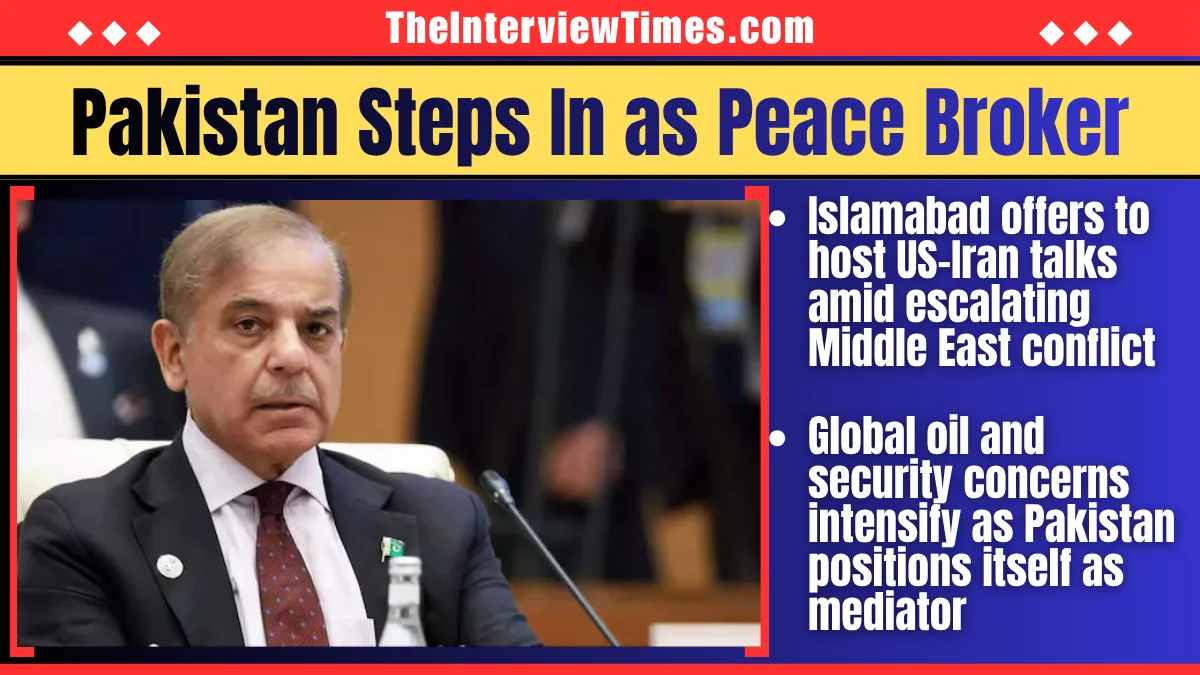
Pakistan offers to host US-Iran peace talks as Middle East tensions rise. Islamabad positions itself as a key mediator amid global oil and security concerns.
Article Summary
Pakistan has offered to host peace talks between the United States and Iran to de-escalate the ongoing Middle East conflict. Prime Minister Shehbaz Sharif’s proposal comes as global tensions rise, oil prices surge, and diplomatic efforts intensify.
Key Highlights
• Pakistan offers to host US-Iran peace talks to end Middle East war
• Prime Minister Shehbaz Sharif calls for “meaningful and conclusive” dialogue
• Conflict began on February 28, 2026, with US-Israeli strikes on Iran
• Strait of Hormuz disruptions pushing global oil prices higher
• US President Donald Trump sets 5-day window for diplomatic progress
• Iran denies direct negotiations, raising uncertainty over talks
• Pakistan emerges as a neutral mediator with ties to both sides
Pakistan Steps Forward as Mediator
Shehbaz Sharif has formally offered to host peace negotiations between the United States and Iran, aiming to bring an end to the escalating conflict in the Middle East.
In a statement posted on X, Sharif said Pakistan is “ready and honoured” to facilitate meaningful and conclusive talks, provided both nations agree.
Pakistan’s Foreign Ministry reinforced this position, emphasizing Islamabad’s willingness to act as a neutral venue for dialogue.
Pakistan welcomes and fully supports ongoing efforts to pursue dialogue to end the WAR in Middle East, in the interest of peace and stability in region and beyond. Subject to concurrence by the US and Iran, Pakistan stands ready and honoured to be the host to facilitate…
— Shehbaz Sharif (@CMShehbaz) March 24, 2026
Conflict Background and Rising Global Stakes
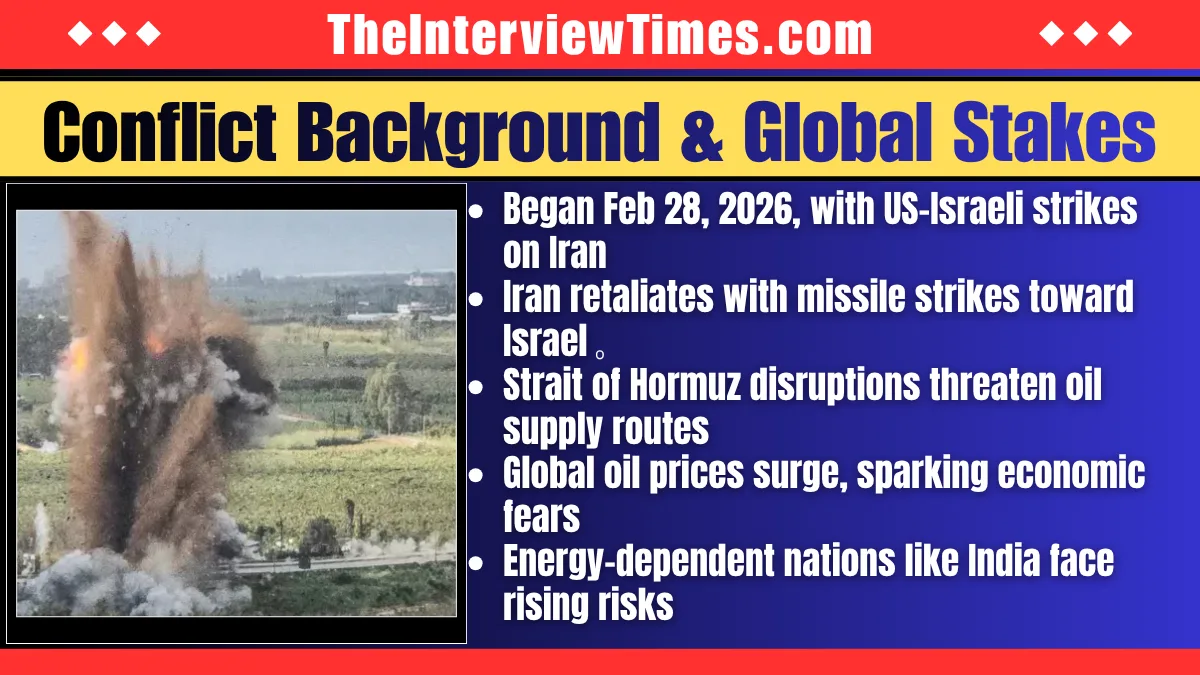
The crisis began on February 28, 2026, following joint strikes by the United States and Israel on Iranian targets. Since then, the conflict has escalated into a cycle of military retaliation.
Iran has launched missile strikes toward Israel, while tensions have disrupted shipping through the Strait of Hormuz, a critical route for global oil supplies.
These disruptions have triggered sharp increases in oil prices, raising fears of a broader economic shock, particularly for energy-dependent economies like India.
Diplomatic Efforts Intensify
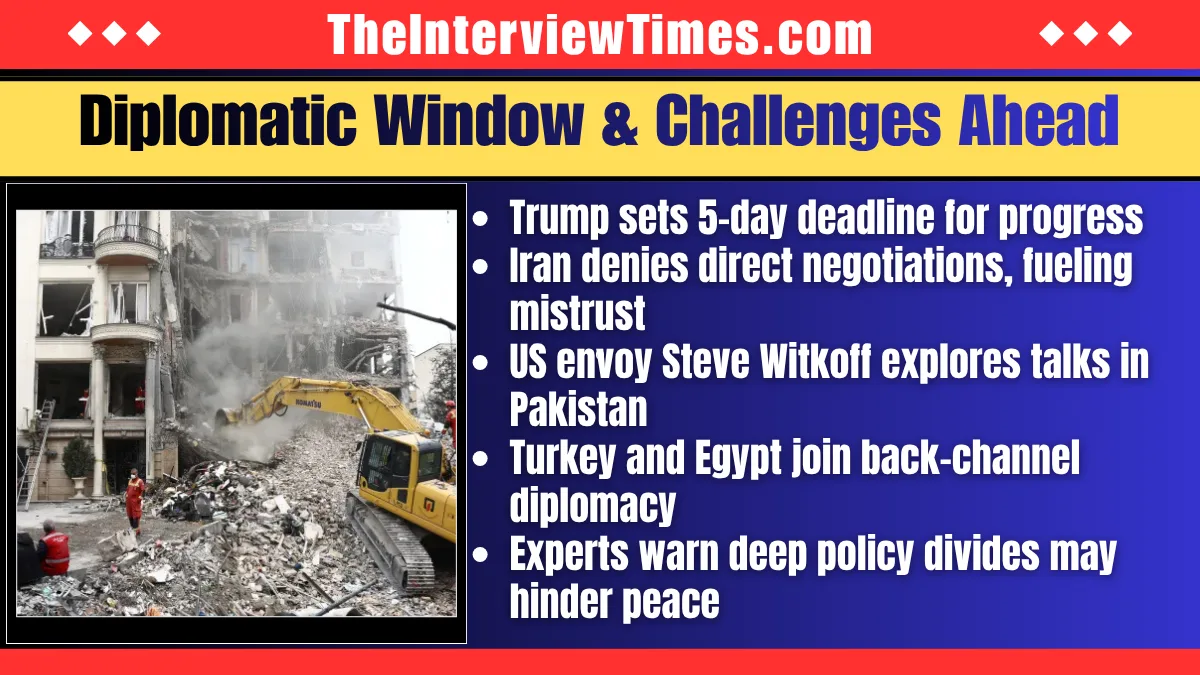
Pakistan has ramped up diplomatic outreach in recent days. Army Chief Asim Munir reportedly held discussions with Donald Trump, while Sharif engaged with Iranian President Masoud Pezeshkian.
Reports also suggest that US Middle East envoy Steve Witkoff has traveled to Pakistan to explore the possibility of in-person negotiations.
Other regional powers, including Turkey and Egypt, are also participating in back-channel diplomatic efforts.
Narrow Window for Peace
President Trump has described recent communications with Iran as “productive” and has reportedly set a five-day deadline for tangible progress in negotiations.
However, Iranian officials have rejected claims of direct talks, labeling them as misinformation. This highlights the deep mistrust that continues to hinder diplomatic breakthroughs.
Despite this, a temporary pause in certain US military threats has created a limited opportunity for negotiations.
Pakistan’s Strategic Position
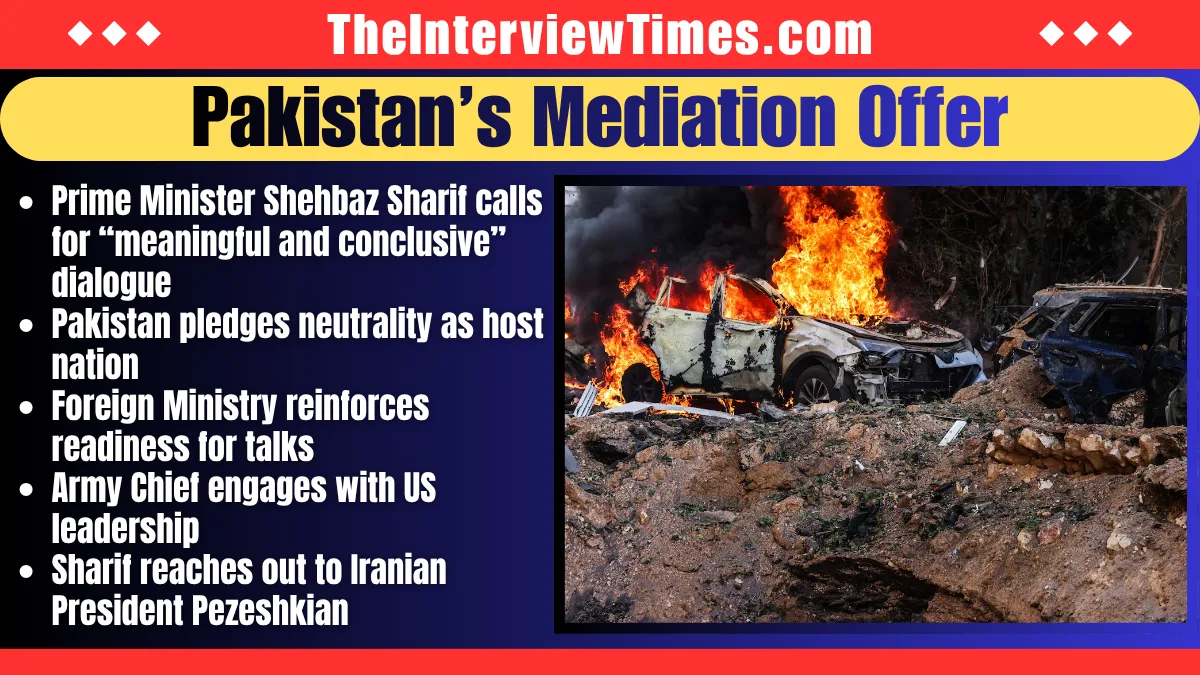
Pakistan’s ability to maintain relations with both Washington and Tehran places it in a unique diplomatic position.
Officials in Islamabad have reiterated their commitment to peaceful dialogue, stating that they are ready to host talks “whenever both parties agree.”
Some reports indicate that preliminary high-level meetings could take place as early as this week, though no official schedule has been confirmed.
Global Implications and Challenges Ahead
The conflict has already had far-reaching consequences, including:
- Volatility in global oil markets
- Rising geopolitical instability
- Increased risks to international shipping routes
Experts warn that major policy differences, ongoing military actions, and lack of trust could complicate any peace process.
Still, Pakistan’s offer represents a significant diplomatic initiative at a time when the world is seeking de-escalation.
Key Takeaways
- Pakistan has positioned itself as a potential mediator in the US-Iran conflict.
- The situation remains fragile, with ongoing military actions and deep mistrust.
- Global economic risks, especially oil supply disruptions, are rising.
- A narrow diplomatic window exists, but success depends on both sides agreeing to talks.
- The coming days will be critical in determining whether peace efforts gain traction.
