
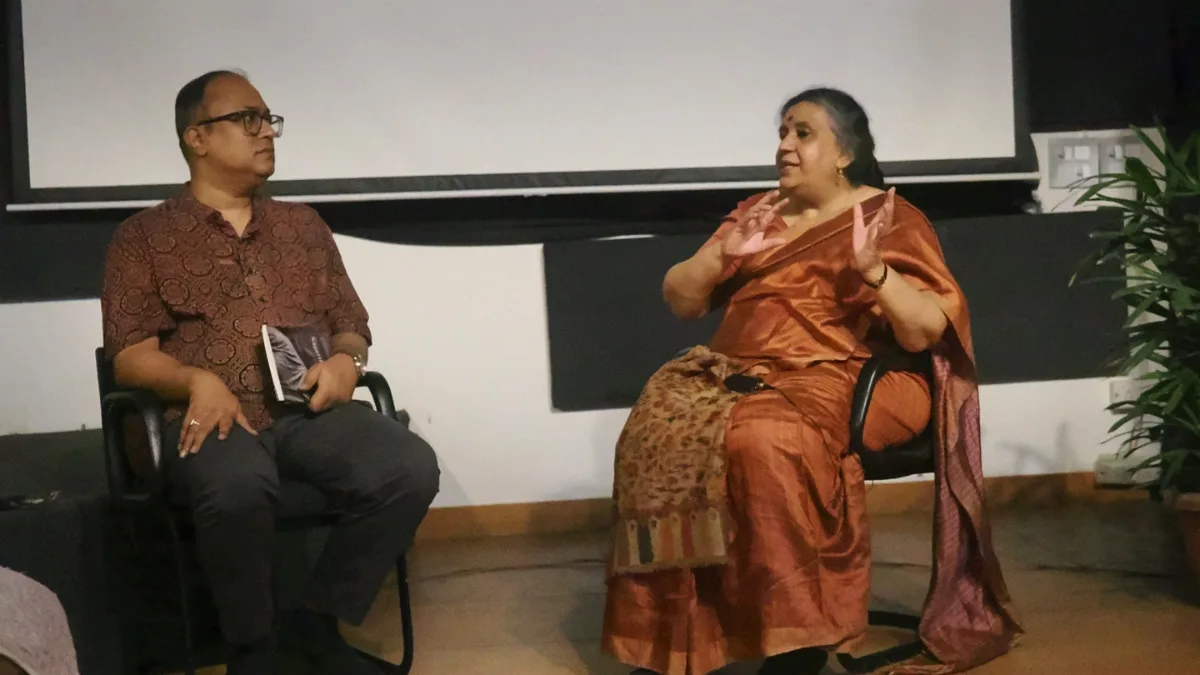
The Sri Aurobindo Centre for Arts & Creativity celebrated Ritwik Ghatak’s centenary with a screening of Nagarik and an insightful discussion led by top film scholars.
TheInterviewTimes.com | New Delhi | November 1, 2025 — The Sri Aurobindo Centre for Arts & Creativity, a project of the Sri Aurobindo Society, commemorated Ritwik Ghatak’s Centenary through a special screening and discussion celebrating the visionary filmmaker’s artistic legacy. The event, held under the aegis of the Centre’s The Twilight Film Club, was curated by National Award-winning filmmaker Shankhajeet De.
The highlight of the celebration was the screening of Ghatak’s first film, Nagarik, followed by an engaging discussion with prominent film scholars Prof. Ira Bhaskar and Dr. Anugyan Nag. The event aimed to reintroduce audiences to the profound cinematic voice of Ritwik Ghatak, whose films continue to inspire generations of filmmakers and cinephiles across the world.
Ritwik Ghatak’s Centenary: Revisiting the Visionary Filmmaker
Introducing the screening, Dr. Anugyan Nag, a film scholar teaching Film, Media, and Cultural Studies at the AJK Mass Communication Research Centre, Jamia Millia Islamia, reflected on the emotional and social depth of Ghatak’s debut film.
“As his first film, Nagarik reveals Ghatak’s deep compassion for the displaced and the ordinary citizen’s struggle for dignity,” he said. “Watching Nagarik is to witness the birth of a cinematic voice that turned personal anguish into collective memory.”
The screening of Nagarik marked a significant moment in Ritwik Ghatak’s Centenary celebrations, emphasizing how his work captured the trauma of displacement and partition in post-independence India. Despite being completed in 1952, the film was released only after Ghatak’s death, which, according to film historians, changed the trajectory of Indian art cinema.
Must Read: Kerala Becomes India’s First State Declared Free of Extreme Poverty
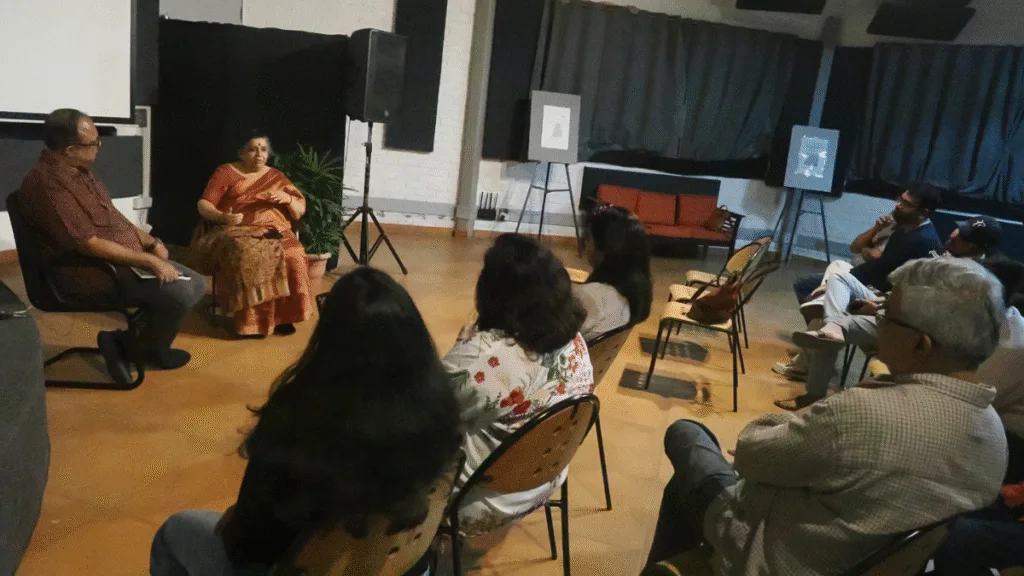
Book Discussion: Ritwik Ghatak’s Partition Quartet
Following the screening, the audience engaged in a conversation on the book Ritwik Ghatak’s Partition Quartet: The Screenplays: Volume 1 – Nagarik, edited and annotated by Prof. Ira Bhaskar. The distinguished scholar, who retired as Professor of Cinema Studies from the School of Arts and Aesthetics at Jawaharlal Nehru University, has extensively studied Ghatak’s oeuvre and the Islamicate cultures of Bombay cinema.
Speaking about Ghatak’s body of work, Prof. Bhaskar explained, “While Meghe Dhaka Tara (1960), Komol Gandhar (1961), and Subarnarekha (1962) are known as Ghatak’s Partition trilogy, Nagarik expands that frame. Its story of displacement and belonging makes it part of a Partition Quartet rather than a trilogy.”
Her analysis deepened the Ritwik Ghatak’s Centenary conversation, highlighting the thematic continuity across his films — from the personal to the political — and his unparalleled ability to weave human suffering into cinematic poetry.
The Twilight Film Club: A Curated Tribute
Curator Shankhajeet De, who heads The Twilight Film Club at the Centre, shared the motivation behind organizing the celebration.
“The oeuvre of Ritwik Ghatak has left an indelible mark on the landscape of Indian cinema,” De said. “His films may appear minimalist in production but are profoundly complex in cinematic construction. We wanted to celebrate Ritwik Ghatak’s Centenary not just by screening his work but by initiating a deeper discussion about his contribution to the world of cinema.”
The Twilight Film Club at the Sri Aurobindo Centre has become a vibrant platform for cinematic appreciation, fostering discussions that go beyond mainstream narratives. The centenary event reaffirmed the club’s commitment to curating meaningful engagements with film heritage.
Must Read: Snow Leopards in Danger: Climate Change Threatens Central Asia’s “Ghosts of the Mountains”
Ritwik Ghatak’s Legacy and the ‘What If’ of Indian Cinema
One of the key insights that emerged from the discussion was the idea that Nagarik represents a “what if” in Indian film history. Had it been released in 1952, before Satyajit Ray’s Pather Panchali (1955), it might have reshaped the trajectory of Indian art cinema.
Film experts noted that if Nagarik had reached audiences in Ghatak’s lifetime, he might have been recognized as one of India’s leading auteurs alongside Ray.
This perspective added historical depth to the Ritwik Ghatak’s Centenary celebration, encouraging reflection on the evolving recognition of Ghatak’s artistry — his experiments with form, his political empathy, and his portrayal of collective trauma.
A Centenary That Rekindles Memory and Meaning
The Ritwik Ghatak’s Centenary event at the Sri Aurobindo Centre for Arts & Creativity was more than a tribute; it was a rediscovery of one of India’s most original cinematic minds. Through the combined efforts of scholars, curators, and cinephiles, the celebration reaffirmed that Ghatak’s films remain timeless — capturing the anguish and resilience of human experience with unmatched sincerity.