
Russia launched more than 100 drones in a massive overnight assault across Ukraine, hours after Moscow talks on a U.S.-backed peace framework collapsed. The escalation highlights how drone warfare now shapes the conflict as diplomacy stalls, with rising civilian casualties and urgent calls for stronger Western air defence support.
TheInterviewTimes.com | 4 December 2025, 12.20 PM IST: Russia unleashed one of its heaviest overnight drone assaults of the year, firing more than 100 unmanned aircraft across Ukraine just hours after high-stakes talks in Moscow failed to yield progress on a U.S.-backed peace plan. The timing underlines how drone warfare has become the central battleground even as diplomatic efforts continue to stall.
Overnight Drone Onslaught Hits Multiple Regions
Ukrainian officials reported that Russia launched around 111 strike and decoy drones during the night, targeting energy facilities, logistics hubs, and residential districts across the country. While air defences intercepted a majority, dozens penetrated the shield.
Two men were killed and three others injured in Ternivka in the Dnipropetrovsk region, where several drones struck civilian structures. Local authorities said repeated night-time attacks are steadily eroding civilian safety and putting heavy pressure on emergency services.
Most of the unmanned aircraft involved were Shahed-type “kamikaze” drones, launched both from Russian territory and areas of Ukraine currently under occupation. The attack also involved multiple decoy drones designed to confuse radar systems and drain Ukraine’s air defence ammunition.
Ukraine’s air force said it deployed anti-aircraft missile units, electronic warfare assets and mobile fire groups to blunt the assault — a sign of how defending against massed, low-cost drones is stretching its resources thin.
Must Read: Putin India Visit 2025: Annual Summit to Focus on Defence, Trade Imbalance and Tariff Pressures
Drone Warfare Intensifies as Russia Ramps Up Production
The Russia Ukraine drone attack is part of a broader strategy of overwhelming Ukrainian defences through large-scale, high-frequency drone saturation strikes. Western intelligence assessments indicate that Moscow has dramatically expanded domestic production of Shahed-type and other strike drones, with output now estimated in the thousands per month.
This industrial expansion allows Russia to maintain a prolonged air campaign, pairing drones with cruise and ballistic missiles to exhaust Ukrainian defences ahead of deeper winter.
Ukrainian officials have repeatedly urged Western nations to speed up deliveries of advanced air defence systems, long-range radar, and electronic warfare tools. The growing use of decoys, reconnaissance drones, and mixed wave formations is complicating interception efforts and increasing the likelihood of civilian casualties.
Moscow Peace Talks End in Deadlock
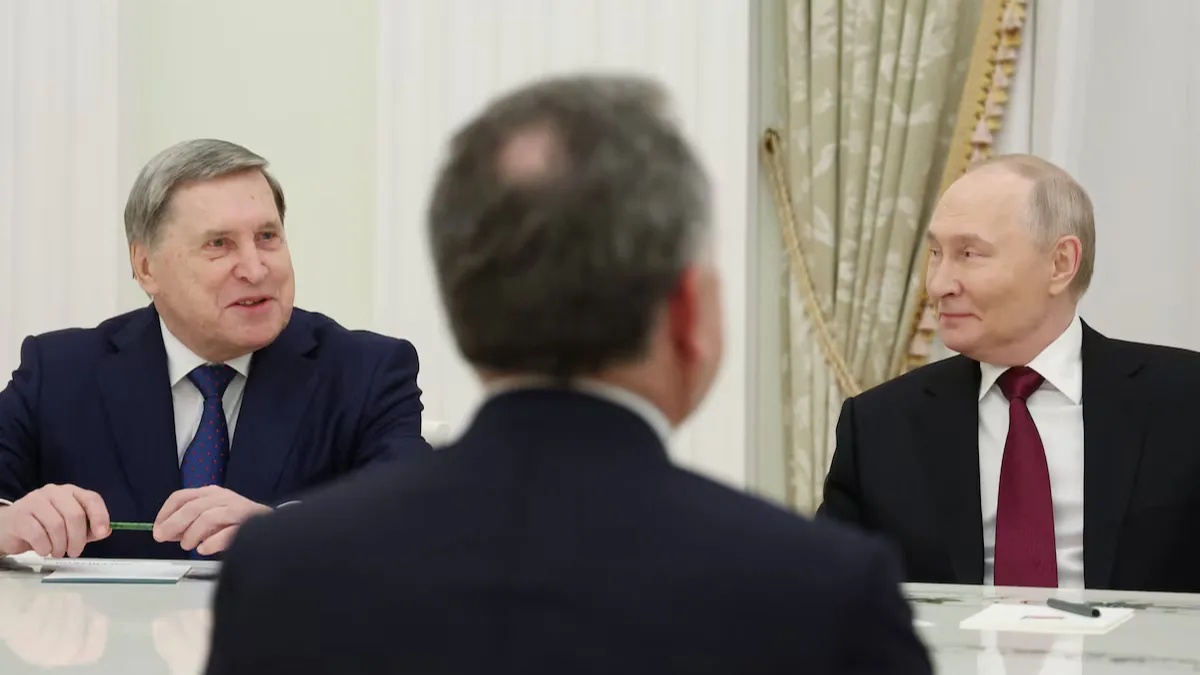
The massive strike came mere hours after a five-hour meeting at the Kremlin between Russian President Vladimir Putin and a U.S. delegation led by special envoy Steve Witkoff. The U.S. has been exploring pathways for a framework that could one day support ceasefire terms.
Kremlin adviser Yuri Ushakov described the talks as “useful,” but acknowledged “no compromise” was reached, particularly over Russia’s claims to the entire Donbas region.
Russian negotiators insist any settlement must recognise Moscow’s control over occupied areas and address what it calls the threat of Kyiv’s Western-backed security posture. Ukraine, however, maintains it will never cede territory, insisting its 1991 internationally recognised borders are non-negotiable.
Western Reaction: “Diplomacy Cannot Be a Cover for Escalation”
European governments sharply criticised the dual messaging of hosting peace talks while launching one of the largest drone attacks in months. Officials across NATO capitals argued that the latest Russia Ukraine drone attack demonstrates Moscow’s belief that it can outlast Western political patience.
At the same time, diplomats stressed that channels with Moscow must remain open, even though expectations for a near-term ceasefire remain low. Washington and European partners are expected to continue consultations with President Volodymyr Zelenskyy on any future proposals.
Battlefield and Political Implications
The combination of hardened Russian demands and intensified drone strikes suggests that Ukraine faces a long winter war of attrition. Analysts say Russia’s strategy aims to degrade Ukraine’s energy grid, weaken the economy, and pressure Kyiv into accepting a deal closer to Moscow’s terms.
For Ukraine, sustaining air defence stockpiles, securing Western backing, and repairing infrastructure after repeated strikes will be critical as the conflict enters another winter.
With no movement on core territorial and security disputes, the latest barrage indicates that — for now — the war is set to intensify in the skies rather than move toward a diplomatic settlement.
Key Takeaways
- Russia launched over 100 drones, killing civilians and damaging infrastructure.
- The attack followed failed peace talks in Moscow on a U.S.-backed framework.
- Russia’s drone production has expanded significantly, enabling sustained attacks.
- Ukraine continues to urge Western partners for advanced air defence support.
- Core disputes over territory and security guarantees keep diplomacy stalled.