
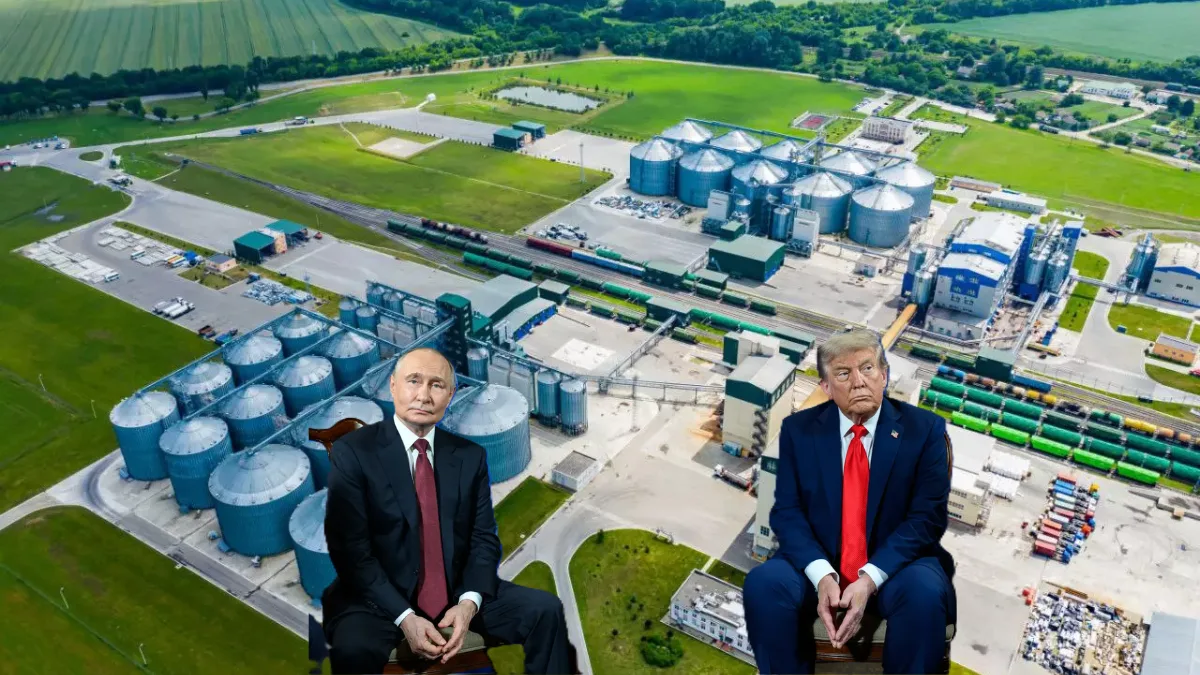
Sanctions on Russian gas are driving global energy market volatility while boosting U.S. LNG dominance. Europe’s shift away from Russian supplies, record American LNG exports, and rising geopolitical tensions are reshaping global energy trade. Explore how sanctions, LNG growth, and shifting alliances are transforming the world’s energy future.
Sanctions on Russian Gas Drive Global Energy Market Volatility
TheInterviewTimes.com | 17 November 2025: The sanctions on Russian gas have radically reconfigured the global energy system, triggering market instability while accelerating the United States’ meteoric rise as the world’s leading LNG supplier. As Europe, Asia, and emerging economies scramble to secure new energy sources, volatility has become the defining feature of the post-Ukraine energy order.
Following Russia’s 2022 invasion of Ukraine, Western nations moved swiftly to curb Moscow’s energy revenues by imposing sweeping restrictions on Russian gas exports. The European Union, once heavily dependent on Russian pipeline supplies, has aggressively reduced purchases, forcing a global reshuffling of supply chains.
This shift ignited widespread price volatility. Gas markets in Europe, Asia, and the U.S. have become tightly interconnected, meaning localized disruptions now trigger global repercussions. According to leading energy researchers, this is partly due to Europe’s transition from pipeline gas to seaborne LNG—much of which is sourced from the United States, an “increasingly unpredictable ally” amid shifting foreign policy priorities and supply-chain complexities.
The result is a fragile energy environment where geopolitical tensions, Middle East unrest, or shipping disruptions can instantly drive price spikes across continents. The sanctions on Russian gas have effectively created a “new normal” of hypersensitive energy markets.
Must Read: Russia Pushes for Early Trump-Putin Summit as Ukraine War Deepens
United States Emerges as the World’s LNG Superpower
Amid this upheaval, the United States has achieved unprecedented LNG dominance. In October 2025, U.S. LNG exports touched an all-time record of 10 million tonnes in a single month, powered by new liquefaction capacity at Venture Global’s Plaquemines facility and Cheniere Energy’s Corpus Christi Stage 3 expansion.
From January to August 2025, American LNG exports jumped 22% to reach 69 million tonnes, with Europe absorbing nearly 60% of the shipments. The U.S. is rapidly expanding capacity, projected to nearly double by 2030, reaching over 21.2 billion cubic feet per day.
This surge is bolstered by strategic diplomacy. A landmark U.S.–EU energy agreement commits Europe to $750 billion worth of American energy imports by 2028. Meanwhile, India has signed a 2.2-million-tonne LPG purchase agreement with U.S. suppliers like Chevron, TotalEnergies, and Phillips 66—deepening American influence in Asia’s fast-growing energy markets.
The sanctions on Russian gas have unintentionally propelled Washington’s rise as a global LNG superpower.

Future Energy Landscape Remains Clouded With Uncertainty
Despite the U.S. export boom, the global gas outlook is far from stable. Analysts warn of a potential LNG oversupply by 2027, driven by massive new projects coming online in the U.S., Middle East, and Africa.
Yet short-term volatility is expected to intensify as natural gas increasingly serves as the backup fuel for fluctuating renewable energy sources like wind and solar. Maintaining reliable supply chains is essential—but geopolitics, regulatory shifts, and inconsistent investment trends threaten to destabilize these systems.
Europe’s complete ban on Russian LNG effective January 2027 adds another layer of uncertainty. With limited ability to redirect LNG shipments, Russia may struggle to offload surplus volumes, potentially distorting global supply and pricing structures.
Meanwhile, Asia’s demand continues to grow, but competition from cheaper coal in India and expanding renewable capacity in China may cap long-term gas consumption. The global market remains delicately balanced, and any disruption could have ripple effects.
Geopolitical Realignment Reshapes Global Energy Trade
The sanctions on Russian gas have triggered a broader geopolitical realignment in energy commerce. The United States’ dominance in LNG and financial clearing systems has prompted countries such as Russia, China, India, and Iran to pursue local-currency energy deals to reduce dependence on the dollar.
These experiments with alternative trade structures could significantly reshape global energy flows, reducing Western influence over commodity markets. Energy alliances are shifting, and supply chains are evolving in response to the new geopolitical climate.
The global energy order is being rewritten—one shipment, sanction, and political agreement at a time.
Sanctions on Russian Gas: Key Takeaways
- Sanctions on Russian gas have triggered global energy volatility and accelerated U.S. LNG dominance.
- Europe’s urgent shift away from Russian pipeline gas has reshaped global LNG flows.
- U.S. LNG exports hit record highs, backed by new capacity and diplomatic agreements.
- Analysts warn of possible LNG oversupply by 2027 despite short-term market tightness.
- Geopolitical shifts, including local-currency energy trade, signal a changing global energy landscape.