
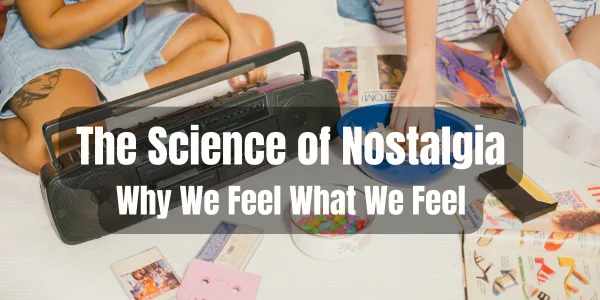
Explore the science of nostalgia — how the brain turns memories into emotion, and why nostalgic feelings can comfort, heal, and inspire us.
The Warm Ache of Memory
Why do we suddenly feel emotional when we hear an old song or see a childhood photograph? The science of nostalgia explains that this bittersweet sensation is not just sentimentality — it’s a powerful neurological and psychological process. When memories trigger feelings of joy and longing, the brain uses nostalgia to connect the past with the present, helping us find comfort, identity, and meaning in life’s transitions.
Understanding Nostalgia
The term nostalgia originates from Greek — nostos (return home) and algos (pain). It was once thought to be a disorder among homesick soldiers. But modern psychology views it as an emotional resource — a mental bridge that helps people recall positive experiences, relationships, and personal growth.
According to researchers, nostalgic reflection activates positive memory networks that shape our sense of self and remind us of what truly matters.
The Science of Nostalgia in the Brain
Recent neuroscience reveals that the science of nostalgia involves complex interactions between memory and emotion. When nostalgic memories are triggered, two key brain regions activate simultaneously:
- The hippocampus, responsible for storing and recalling memories
- The amygdala, which processes emotional responses
Together, they make nostalgic memories feel vivid and emotionally charged.
Studies using brain imaging show that nostalgia releases dopamine and oxytocin — chemicals linked to happiness, love, and connection — while reducing cortisol, the stress hormone. This explains why revisiting cherished moments can bring calmness and joy, even during stressful times.
Why Nostalgia Matters More Today
In the digital age, where life moves faster than ever, people often turn to the past for stability. The psychology of nostalgia suggests that when we feel anxious or uncertain, our brains instinctively seek familiarity to restore emotional balance.
That’s why retro trends, old music, and classic films continue to thrive. During the COVID-19 pandemic, for example, millions around the world found comfort in revisiting old hobbies and family memories — proving how the science of nostalgia helps us cope during crises.
Psychological Benefits of Nostalgia
Experts believe that moderate nostalgia supports emotional health and personal growth. The science of nostalgia reveals five major psychological benefits:
- Boosts mood and optimism: Nostalgic reflection activates positive emotions that improve well-being.
- Strengthens relationships: Most nostalgic memories involve loved ones, enhancing feelings of connection.
- Increases life meaning: Recalling the past helps individuals find purpose in their present journey.
- Reduces anxiety: Nostalgia lowers stress hormones and promotes emotional stability.
- Inspires creativity: Reflecting on earlier experiences can lead to fresh insights and innovation.
When Nostalgia Becomes Unhealthy
While the science of nostalgia highlights its many benefits, overindulging in the past can be counterproductive. When people idealize “the good old days” too much, they may feel disconnected from reality — a state known as melancholic nostalgia.
Psychologists recommend using nostalgia as a reflection tool, not an escape route. According to Professor Constantine Sedikides of the University of Southampton — one of the world’s leading researchers on nostalgia — the emotion serves as a psychological resource that helps people reconnect with meaning, maintain self-continuity, and move forward with purpose.
Must Read: The Surprising Health Benefits of Menopause You Didn’t Know About—Backed by Research
The Economics and Culture of Nostalgia
From vintage advertising to retro fashion, entire industries now rely on the emotional pull of nostalgia. Marketers understand that evoking the past creates comfort and trust among audiences.
But the cultural trend also exposes something deeper — our collective craving for authenticity and emotional connection in a time of digital overload. The science of nostalgia shows that revisiting the past can provide psychological grounding amid rapid social change.
How to Use Nostalgia Positively
To make nostalgia a healthy habit, psychologists suggest:
- Revisit, don’t relive: Reflect on old times with gratitude, not regret.
- Share memories: Talking about shared experiences strengthens bonds.
- Create new nostalgia: Capture today’s moments — they’ll become tomorrow’s treasured memories.
Conclusion
The science of nostalgia proves that our longing for the past isn’t weakness — it’s a survival tool. It connects memory with meaning, emotion with resilience, and the past with the future.
Nostalgia reminds us that even as time changes everything, the feelings and experiences that shaped us continue to guide who we are today.