

TheInterviewTimes.com | March 13, 2026 | 05:12 PM IST | New Delhi
External Affairs Minister S Jaishankar holds fourth call with Iran’s Araghchi as India navigates Strait of Hormuz shipping crisis. Iran seeks BRICS support for self-defense after US-Israel strikes, allows Indian vessels passage despite IRGC controls. Latest updates on West Asia war impact.
Diplomatic Engagements Intensify
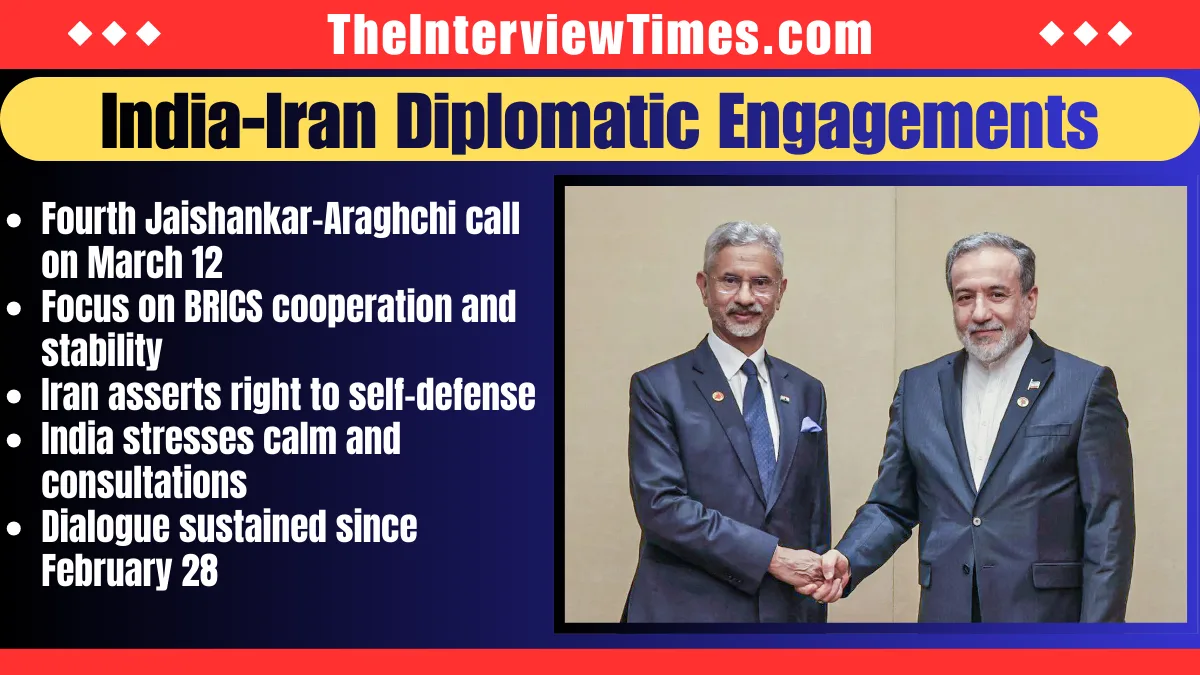
India’s External Affairs Minister S Jaishankar held his fourth phone conversation with Iranian Foreign Minister Seyed Abbas Araghchi on Thursday night, March 12, 2026, amid escalating tensions in West Asia. The ministers discussed bilateral matters, BRICS cooperation, and regional stability following US and Israeli strikes on Iran that began on February 28, 2026. Araghchi briefed Jaishankar on developments from what Iran terms “aggressions and crimes” by the US and Israel, while asserting Tehran’s right to self-defense and urging BRICS nations to support stability.
Jaishankar emphasized continued consultations to restore calm in the region. Previous calls occurred on February 28, March 5, and March 10, reflecting sustained high-level dialogue.
Shipping Crisis Grips Vital Waterway
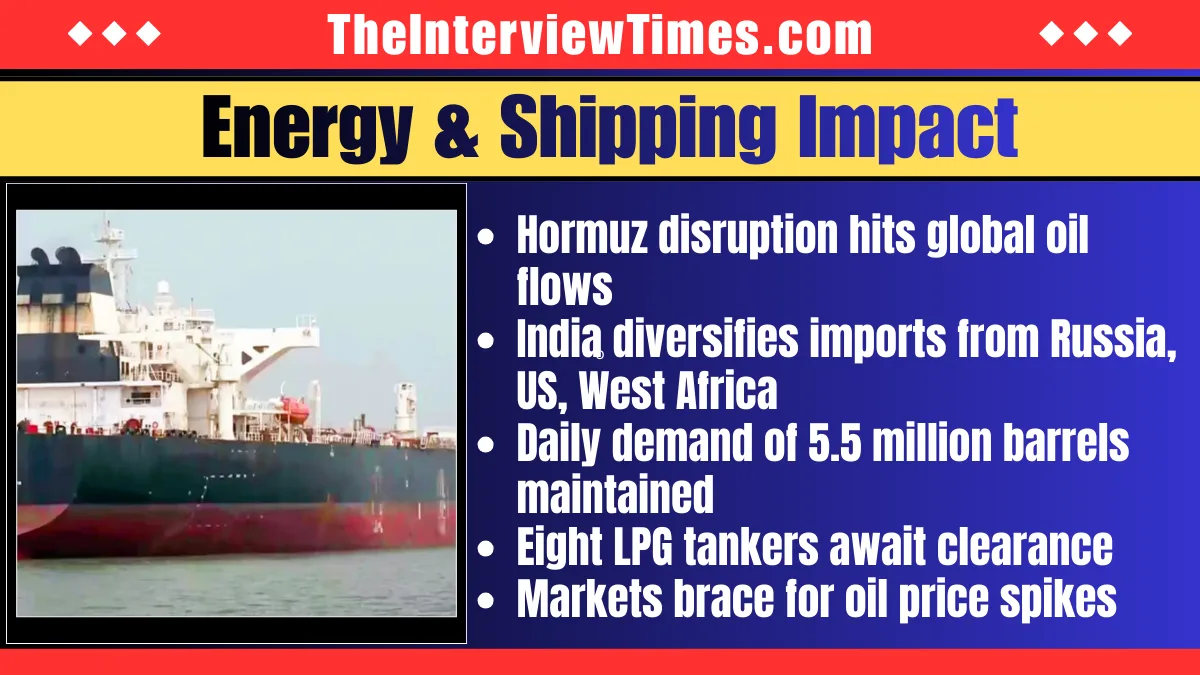
The Strait of Hormuz remains a flashpoint, with 28 Indian-flagged merchant vessels currently stationed on either side, carrying essential crude oil and LPG supplies. Iran requires all vessels to obtain approval for transit, enforced by the Islamic Revolutionary Guard Corps (IRGC) Navy; non-compliant ships face targeting, as seen with strikes on the Express Rome, Mayuree Naree, and Safesea Vishnu. This has disrupted global energy flows through the chokepoint, which handles a major share of India’s oil and gas imports.
In response, India has rerouted about 70 percent of its crude imports away from Hormuz, sourcing more from Russia, the US, and West Africa to maintain supplies for its 5.5 million barrels daily needs.
Breakthrough for Indian Vessels
Following Jaishankar-Araghchi talks, Iran permitted safe passage for Indian-flagged tankers Pushpak and Parimal, marking a key diplomatic success. A Liberian-flagged tanker Shenlong, captained by an Indian and loaded with Saudi crude, also transited successfully and reached Mumbai. Eight LPG tankers await clearance, with Indian officials coordinating directly with Tehran.
While ships from the US, Europe, and Israel face restrictions, India’s neutral stance and BRICS ties appear to have facilitated exceptions.
Broader Regional and Economic Fallout
Iran has appealed to BRICS for condemnation of the strikes and backing of its self-defense claims, building on prior bloc statements against violations of international law. The conflict, now over two weeks old, has prompted India to bolster rescue plans for stranded sailors and diversify energy logistics. Global markets watch closely as Hormuz disruptions risk further spikes in oil prices and supply chain strains.
Top News: Iran’s New Supreme Leader Mojtaba Khamenei Demands US Bases Closure and Vows Revenge Amid Oil Crisis (Strait of Hormuz Crisis)
