
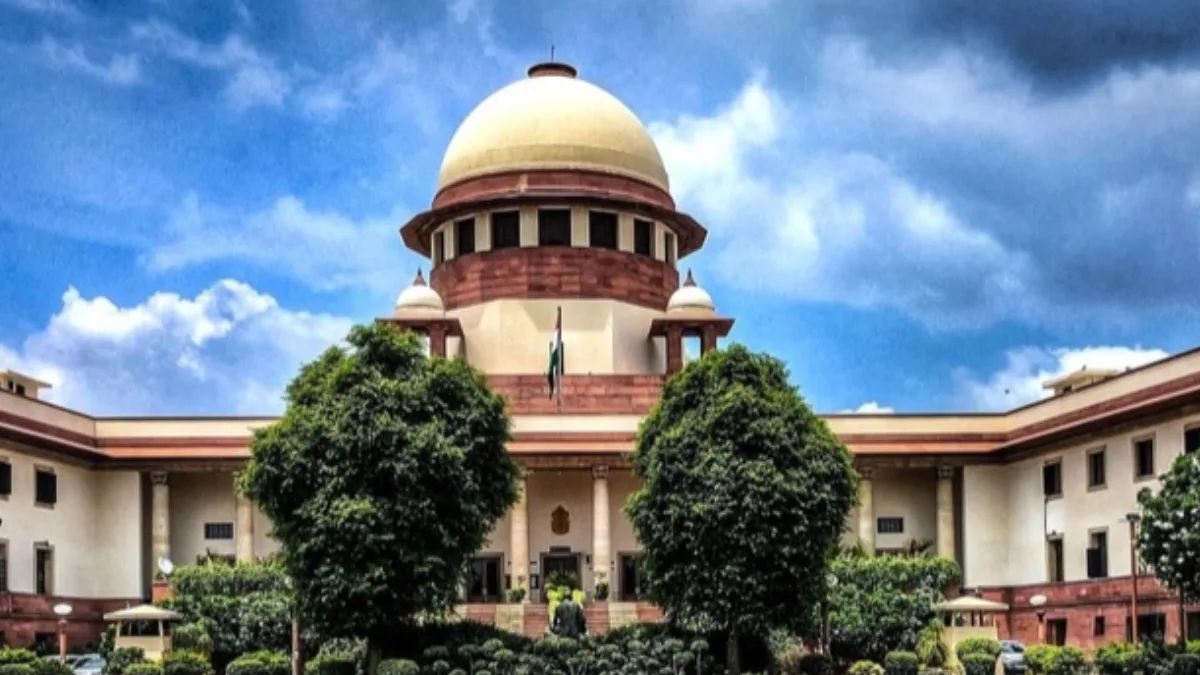
A five-judge Constitution Bench of the Supreme Court has ruled that governors and the President cannot be bound by judicially imposed timelines for granting assent to state bills. The verdict nullifies the April 8 judgment on “deemed assent,” reinforces separation of powers, and sets clear limits on judicial review while allowing intervention against deliberate inaction.
Supreme Court Says No Timelines for Governors, President in Bill Assent Process
TheInterviewTimes.com | November 21, 2025: In a landmark advisory opinion, the Supreme Court on Thursday ruled that neither governors nor the President can be subjected to judicially enforced timelines while granting assent to state legislation.
The decision, delivered by a five-judge Constitution Bench, reasserts the delicate separation of powers under the Indian Constitution and nullifies the April 8 ruling that introduced strict deadlines and the controversial idea of “deemed assent.”
The bench—headed by Chief Justice of India Bhushan R. Gavai and comprising Justices Surya Kant, Vikram Nath, P.S. Narasimha and Atul S. Chandurkar—observed that any attempt by courts to impose procedural timelines under Articles 200 and 201 would amount to rewriting the Constitution. These provisions, the bench said, grant constitutional discretion to governors and the President that cannot be judicially curtailed.
Must Read: Bhutan Visa: A Step-by-Step Guide for Global Travelers
Bench Rejects ‘Deemed Assent’, Restores Constitutional Balance
The April 8 two-judge ruling, which set a one-month deadline for governors to act on re-enacted bills and a three-month limit on bills reserved for the President, was declared invalid. The Supreme Court said the earlier verdict created “confusion and doubt,” prompting the need for a larger bench to provide clarity.
By introducing the concept of automatic assent—or “deemed assent”—if deadlines were breached, the previous judgment intruded upon executive authority. The Constitution Bench held that such judicial innovation violated the core principle of separation of powers and disrupted the federal balance between the Union and states.
The bench emphasized that the words “as soon as possible” in Article 200 apply only to the act of returning a bill for reconsideration, not to every stage of the assent process. Courts, it said, cannot convert these words into rigid deadlines.
Limited Judicial Review Allowed in Cases of Deliberate Inaction
While ruling that the assent function is “non-justiciable,” the Supreme Court acknowledged that democratic governance cannot be undermined by indefinite inaction. In cases where governors delay bills without justification, courts may intervene to direct them to choose one of the constitutionally permitted options:
- Grant assent
- Withhold assent and return the bill (except money bills)
- Reserve the bill for the President’s consideration
However, the judiciary cannot dictate which option must be exercised, nor can it prescribe timelines.
The court also clarified that a governor cannot withhold assent simpliciter; withholding must be accompanied by returning the bill with comments to enable constitutional dialogue with the legislature.
Governor’s Discretion Not Absolute but Constitutionally Protected
The Supreme Court reaffirmed that the governor usually acts on the aid and advice of the council of ministers, but Articles 200 and 201 carve out areas where independent discretion is constitutionally necessary. This includes situations where a bill may require the President’s scrutiny due to constitutional or federal implications.
If legislatures re-enact a bill after reconsideration, the governor still retains two options—granting assent or reserving the bill. The court rejected the argument that reconsideration eliminates the possibility of reservation.
The bench warned, however, that discretion must not evolve into executive overreach.
Court Declines to Answer Three Questions in Presidential Reference
Out of 14 questions submitted by President Droupadi Murmu under Article 143, the Supreme Court declined to answer three, saying they fell outside the functional scope of the reference. These included questions on:
- Composition of Supreme Court benches under Article 145(3)
- The Court’s jurisdiction on Union–state disputes outside Article 131
- The extent of powers under Article 142
The bench said these issues related to internal judicial administration or were framed too broadly.
Federal Debate Remains Open Despite Clarity on Constitutional Process
While the verdict brings clarity to a long-standing constitutional debate, it leaves political tensions unresolved. Several states—including Tamil Nadu, West Bengal, Telangana, Karnataka and Punjab—have frequently accused governors of delaying key bills. The ruling offers limited relief: courts may push governors to act, but cannot set deadlines or verify the reasoning behind their decisions.
By rejecting timelines but permitting intervention against paralysis, the Supreme Court reaffirmed both constitutional restraint and democratic accountability.
Key Takeaways
- The Supreme Court ruled that governors and the President cannot be bound by judicial timelines for bill assent.
- The April 8 judgment introducing “deemed assent” is nullified.
- Courts may intervene only in cases of prolonged and deliberate inaction.
- Governors must return bills with comments if withholding assent; they cannot reject them outright.
- Federal tensions persist, but constitutional clarity on Articles 200 and 201 is restored.