
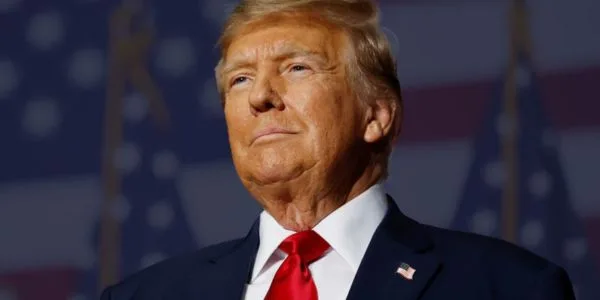
President Trump signs the GENIUS Act, the U.S.’s first major crypto law, regulating stablecoins to boost innovation and consumer protection in 2025. Learn how this historic legislation positions the U.S. as a global crypto leader.
President Donald Trump signed the groundbreaking GENIUS Act into law on Friday, July 18, 2025, marking a historic milestone as the United States’ first major cryptocurrency legislation. This new crypto law, focused on regulating stablecoins—digital currencies tied to assets like the U.S. dollar—aims to transform the $2 trillion crypto market. Passed by the House of Representatives on Thursday with a strong 308-122 vote, following Senate approval in June, the GENIUS Act establishes a clear regulatory framework to foster innovation, enhance consumer protection, and position the U.S. as a global leader in digital finance.
What is the GENIUS Act?
The GENIUS Act sets standards for stablecoin issuance and operations, addressing long-standing demands from the crypto industry for regulatory clarity. Stablecoins, such as Tether (USDT) and USD Coin (USDC), are critical to the crypto ecosystem due to their price stability, making them ideal for transactions and decentralized finance (DeFi). The law ensures that stablecoin issuers meet strict compliance requirements, safeguarding consumers while encouraging growth in blockchain technology.
“This is a monumental step for cryptocurrency regulation,” said Sarah Thompson, CEO of CryptoForward, a leading blockchain advocacy group. “The GENIUS Act provides a roadmap for businesses to innovate confidently, positioning the U.S. as the crypto capital of the world.”
Must Read: Meta Shareholder Lawsuit Settled for $8 Billion Over Cambridge Analytica Scandal
Why the GENIUS Act Matters for Crypto in 2025
The passage of the GENIUS Act comes at a pivotal time for the cryptocurrency industry. With global adoption soaring, the U.S. has faced pressure to create a regulatory environment that supports innovation while mitigating risks like fraud and market volatility. Key benefits of the law include:
- Consumer Protection: Ensures stablecoin issuers maintain reserves and comply with audits, reducing risks for users.
- Market Growth: Encourages investment in U.S.-based crypto ventures, potentially creating jobs and boosting the economy.
- Global Leadership: Positions the U.S. ahead of competitors like the EU and Singapore in shaping the future of digital assets.
However, critics argue the law falls short on addressing broader crypto challenges, such as decentralized finance (DeFi) regulations or non-fungible tokens (NFTs). Some also question potential conflicts of interest, given President Trump’s ties to World Liberty Financial, a crypto venture launched by his family.
Congressional Journey and Additional Crypto Bills
The GENIUS Act’s passage was a bipartisan effort, reflecting growing support for cryptocurrency regulation. The House also passed two related bills on Thursday, including the Clarity Act, which aims to streamline regulations for blockchain-based businesses. These bills now await Senate approval, but their outcome remains uncertain amid competing priorities.
“While the GENIUS Act is a win, we need comprehensive laws to fully integrate crypto into mainstream finance,” said Rep. Laura Martinez (D-NY), who voted against the bill, citing concerns over consumer protections.
Must Read: Trump Executive Order to Open 401k Plans to Private Markets: What It Means for Retirement Savings
Trump’s Vision: U.S. as the Crypto Capital
At a White House press conference following the signing, President Trump celebrated the GENIUS Act as a victory for American innovation. “We’re making the United States the global hub for cryptocurrency,” he stated, joined by industry leaders and lawmakers. The move aligns with Trump’s broader economic agenda, emphasizing technological advancement and deregulation.
What’s Next for Crypto in the U.S.?
As the GENIUS Act takes effect, the crypto industry is poised for significant growth in 2025. Analysts predict increased adoption of stablecoins in payments, remittances, and DeFi platforms. However, stakeholders are watching closely to see how regulators implement the law and whether additional legislation, like the Clarity Act, will follow.
For now, the crypto community is optimistic. “This law is a signal to the world that the U.S. is open for crypto business,” said Michael Chen, a blockchain investor. As the industry evolves, The Interview Times will continue to track the impact of the GENIUS Act and its role in shaping the future of digital currency.