
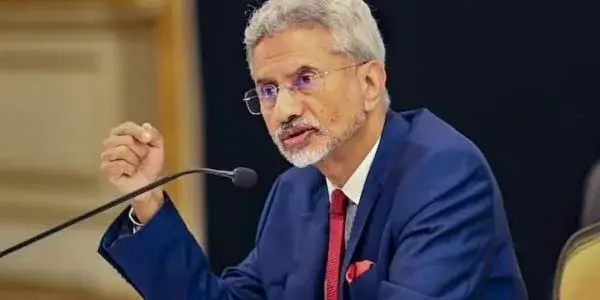
India sets firm “red lines” in ongoing US-India Trade Relations as Jaishankar criticizes escalating tariffs. Key impacts on exports, Russian oil imports, and future negotiations explained.
Background: The Roots of US-India Trade Relations Tensions
US-India Trade Relations have been marked by cooperation and friction, with recurring disputes over tariffs, intellectual property, and market access. The latest escalation began with aggressive trade policies during the Trump era, when India was labeled a “tariff abuser.” With average tariffs around 12%, the US imposed reciprocal duties on a significant portion of India’s $66 billion annual exports.
The tariffs intensified on August 7, 2025, with a 25% duty on Indian goods, followed by an additional 25% penalty effective August 27, linked to India’s Russian oil imports. Together, these measures could push tariff burdens to 50%, directly impacting pharmaceuticals, textiles, and automobiles. Analysts argue this is less about trade balances and more about geopolitics, as the US aims to weaken India’s ties with Russia amid the Ukraine conflict.
Must Read: Global Postal Disruption: New US Customs Rules Cause Worldwide Suspension of Shipments
Jaishankar’s Stand: Defending India in US-India Trade Relations
Speaking at The Economic Times World Leaders Forum 2025, External Affairs Minister S. Jaishankar strongly criticized the tariffs, calling them “unjustified and unreasonable.” He stressed that US-India Trade Relations must respect fairness and India’s developmental needs.
Jaishankar highlighted that India will not compromise on its strategic autonomy, particularly regarding energy imports. He defended India’s continued purchase of discounted Russian crude, emphasizing that similar imports by China and Europe face fewer restrictions.
Impact of Tariffs on Indian Exports and Russian Oil Trade
The multi-layered US tariffs threaten 87% of Indian exports to America. Key industries—IT services, gems, pharmaceuticals, and engineering goods—could face higher costs, lowering competitiveness in US-India Trade Relations.
Economists estimate the tariffs may reduce India’s GDP growth by up to 0.8% in 2025–26. India’s pharmaceutical industry, a cornerstone of American healthcare, may also face disruptions. Meanwhile, India’s 2 million barrels per day of Russian oil imports strengthen its energy security while contributing to global stability.
Must Read: Economist Jeffrey Sachs Blasts ‘Stupid’ Trump India Tariffs, Warns of Global Fallout
India’s ‘Red Lines’ in US-India Trade Relations
Central to Jaishankar’s remarks were India’s “red lines” in negotiations. Farmers and small producers remain protected, with no plans to reduce tariffs on sensitive agricultural imports. Duties on dairy, wheat, and maize remain between 30–60%, safeguarding India’s domestic economy.
This protectionist stance, rooted in political realities, ensures that US-India Trade Relations cannot compromise vulnerable sectors. India is open to tariff concessions on $23 billion worth of American goods but insists that its agricultural sector remain untouched.
Ongoing Negotiations: The Road Ahead for US-India Trade Relations
Despite tensions, Jaishankar confirmed talks are still ongoing. Although a US trade delegation canceled its visit in late August, dialogue channels remain open. Experts predict a possible “mini-deal” in technology and defense sectors, where both nations seek collaboration.
However, clashes between America’s “America First” and India’s “Atmanirbhar Bharat” approaches complicate US-India Trade Relations. The upcoming US election cycle and China’s slowing economy could further influence the outcome.
Geopolitical and Economic Implications of US-India Trade Relations
The ongoing tariff dispute could reshape alliances. India may deepen trade with the EU, ASEAN, and BRICS partners, while pushing domestic manufacturing under PLI schemes. The US, meanwhile, risks alienating a key Quad partner against China.
At stake is more than trade—it’s about positioning in the Indo-Pacific. Bilateral trade worth $190 billion in 2024 underpins millions of jobs, meaning prolonged disputes in US-India Trade Relations carry heavy costs for both nations.
Conclusion: India’s Firm Stance in US-India Trade Relations
Jaishankar’s bold critique reflects India’s resolve to protect its farmers, small producers, and strategic interests. As US-India Trade Relations face one of their toughest tests in decades, the question remains whether diplomacy can triumph over protectionism.
For continued analysis of global trade and foreign policy, follow The Interview Times.