
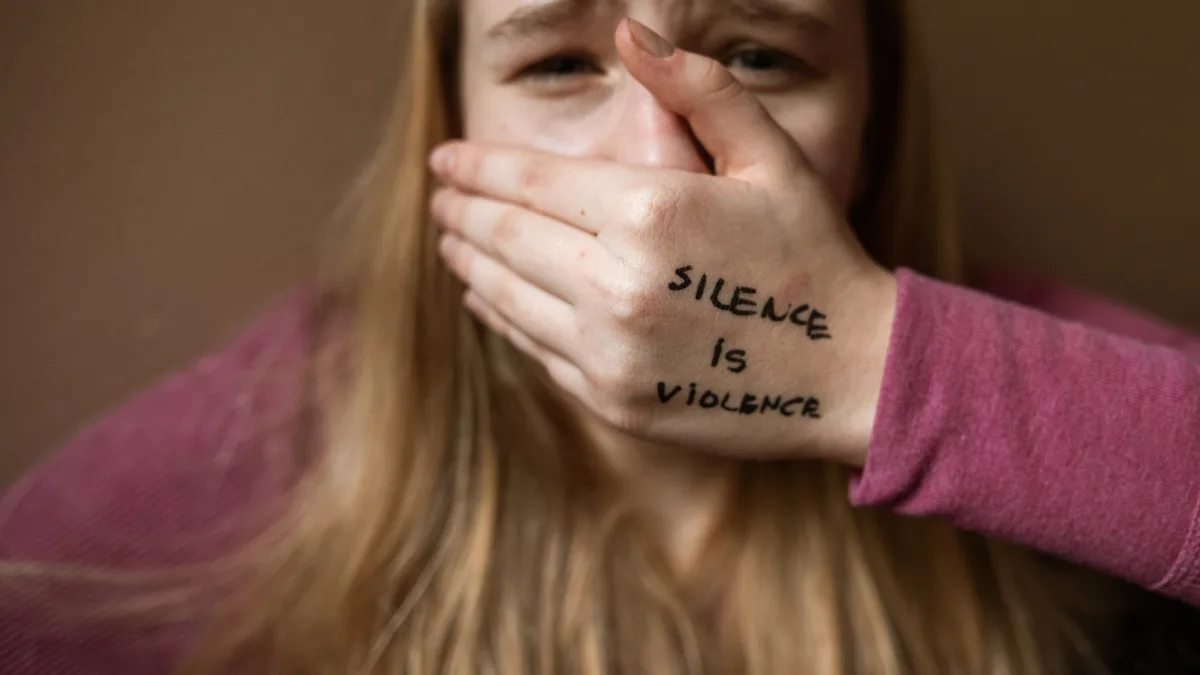
Violence against women remains a global emergency with almost no improvement in 20 years, according to a new report released by the World Health Organization (WHO) and UN agencies. The study reveals that 840 million women—nearly 1 in 3 globally—have experienced partner or sexual violence in their lifetime, making it one of the most persistent, under-addressed human rights violations in modern history.
Violence Against Women Remains “Unchanged Crisis” as 840 Million Affected Worldwide
The new global assessment highlights the alarming reality that violence against women has remained largely unchanged since 2000. In the past 12 months alone, 316 million women, or 11% of all women aged 15+, endured physical or sexual violence inflicted by an intimate partner.
Despite awareness campaigns and global commitments, the decline in intimate partner violence has been a mere 0.2% per year—an almost stagnant rate for such a pervasive crisis.
The report provides national and regional estimates of non-partner sexual violence for the first time, uncovering that 263 million women have been assaulted by perpetrators outside intimate relationships. Experts warn that this number is significantly under-reported due to stigma, fear and weak reporting systems.
WHO Director-General Dr Tedros Adhanom Ghebreyesus called the findings “a profound moral failure,” adding that “Behind every statistic is a woman or girl whose life has been forever altered.”

Violence Against Women Surges as Funding Collapses
Released ahead of the International Day for the Elimination of Violence Against Women (25 November), the report draws from data covering 168 countries between 2000 and 2023. It paints a stark picture of neglect at a time when humanitarian crises, conflict, digital abuse and economic inequality are escalating risks for women and girls.
Shockingly, only 0.2% of global development aid in 2022 went toward programmes preventing violence against women. Funding has further declined in 2025, even as needs rise sharply.
UN agencies warn that shrinking resources threaten progress, leaving women in conflict zones, climate-affected regions, and fragile states disproportionately exposed.
Violence Begins Early and Persists for Life
The study reveals worrying trends among adolescents. In the last year alone, 12.5 million girls aged 15–19—about 16%—experienced physical or sexual violence from a partner.
Women subjected to violence face lifelong effects including unintended pregnancies, vulnerability to STIs, chronic mental health challenges and depression. Sexual and reproductive health services remain a crucial entry point for survivor-centred care.
Regional disparities continue to widen. Oceania (excluding Australia and New Zealand) recorded a staggering 38% prevalence of intimate partner violence in the past year—three times the global average. Least-developed countries, conflict-affected regions and climate-vulnerable areas also show consistently higher rates.
Policy Gaps, Slow Response, but Some Signs of Progress
Data collection has improved globally, but major gaps persist, especially regarding:
- non-partner sexual violence
- indigenous communities
- migrant populations
- women with disabilities
- conflict or humanitarian settings
Some countries, however, are taking action.
- Cambodia is implementing a national project to strengthen domestic violence legislation, refurbish shelters and adopt digital prevention tools targeting adolescents.
- Ecuador, Liberia, Trinidad & Tobago and Uganda have launched costed national action plans, signalling political commitment despite reduced donor aid.
UN Women Executive Director Dr Sima Bahous emphasised that gender equality is essential to building safe societies, while UNFPA’s Diene Keita stressed that “the devastating cycle of abuse ripples across generations.”
The Global Roadmap: What Must Change Now
To accelerate progress, the WHO-UN report urges governments to take decisive action by:
- Scaling up evidence-based prevention programmes
- Strengthening survivor-centred health, legal and social services
- Investing in high-quality data systems to protect the most at-risk groups
- Enforcing laws that empower women and girls
The report is released alongside the updated RESPECT Women framework, offering comprehensive guidance for preventing violence, including in humanitarian emergencies.
UNICEF Executive Director Catherine Russell stressed the urgency of breaking intergenerational cycles, noting that many women face their first instance of violence as adolescents.
Key Takeaways
- 840 million women worldwide have faced partner or sexual violence—unchanged in 20 years.
- 316 million women were abused by intimate partners in the past year alone.
- Global funding for prevention is collapsing, representing just 0.2% of development aid.
- Violence begins early: 12.5 million girls aged 15–19 experienced partner violence in the past year.
- WHO and UN agencies call for urgent political action, stronger laws, and survivor-centred services.