
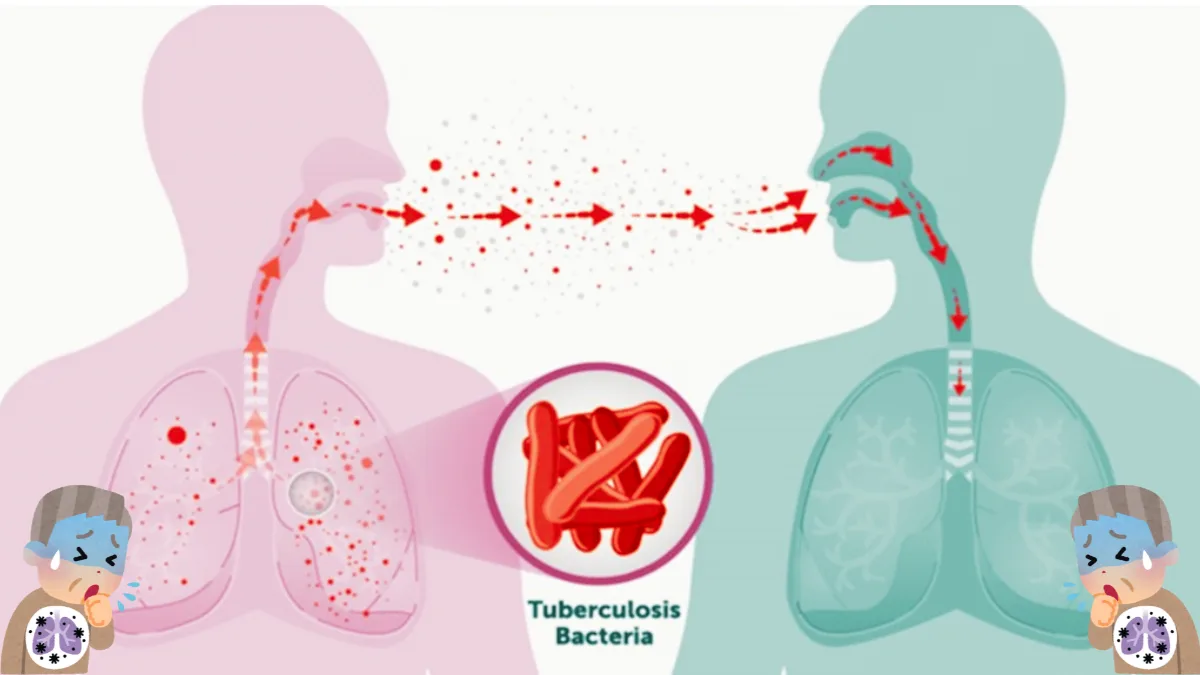
The WHO Global Tuberculosis Report 2025 shows India achieving a sharp 21% decline in TB incidence—from 237 per lakh in 2015 to 187 per lakh in 2024—nearly double the global rate. Despite major progress under NTEP, India faces challenges of drug-resistant TB, undernutrition, and missed cases, putting its 2025 TB elimination target out of reach.
India’s TB Fight Shows Major Gains, Says WHO Global Tuberculosis Report 2025
TheInterviewTimes.com | November 18, 2025: The WHO Global Tuberculosis Report 2025 highlights India’s significant improvements in TB control, with incidence falling by 21% between 2015 and 2024. India’s rate dropped from 237 per lakh to 187 per lakh, nearly twice the global decline, marking an important milestone under the National TB Elimination Programme (NTEP).
Despite this progress, the report warns that India remains the highest TB-burden country, contributing 25% of global TB cases and 28% of global TB deaths in 2024. The country also struggles with drug-resistant TB, undernutrition, and gaps in private-sector reporting.
Key Global Findings: WHO Global Tuberculosis Report 2025
According to the WHO Global tuberculosis report 2025, TB remains one of the world’s deadliest infectious diseases.
Global Situation in 2024
- 10.7 million people fell ill with TB.
- 1.23 million people died of TB.
- Global incidence rate: 131 per 100,000 population.
- Case fatality rate: 11.5%.
TB continues to be one of the top 10 causes of death globally, with the highest burden in 30 countries accounting for 87% of global TB. The biggest contributors include India (25%), Indonesia (10%), Philippines (6.8%), China (6.5%), and Pakistan (6.3%).
Major Risk Factors Worldwide
- Undernutrition
- Low income
- HIV
- Diabetes
- Smoking
- Alcohol-use disorders
These risk factors are also highly prevalent in India, influencing the severity and spread of the disease.
India’s Progress: Sharp Decline but Persistent Burden
India has recorded one of the fastest declines in TB incidence among high-burden nations.
Key Achievements
- Treatment coverage: Increased from 53% (2015) to 92% (2024).
- TB mortality rate: Reduced from 28 per lakh in 2015 to 21 per lakh in 2024.
- Treatment success rate: 90% under the PM TB Mukt Bharat Abhiyan, above the global average of 88%.
- Record case detection: 26.18 lakh patients detected—the highest ever.
However, the report flags that one lakh cases remain “missing”, meaning undiagnosed individuals continue to transmit TB in communities. India accounts for 8.8% of the global detection gap, second only to Indonesia.
Why TB is Declining Faster in India
1. Massive Early Detection at Scale
India now operates the world’s largest TB laboratory network.
- 92% of TB patients receive upfront Rifampicin resistance testing.
- Rapid expansion of molecular testing has shortened diagnostic delays.
2. Advanced Technology and AI Integration
- AI-enabled handheld X-ray devices
- Portable diagnostic scanners
- Widespread NAAT (CBNAAT & TrueNat) coverage
These tools have expanded access in rural and tribal regions.
3. Shorter, Effective DR-TB Treatment Regimens
- The BPaLM regimen cuts drug-resistant TB treatment from 18–24 months to 6 months.
- All-oral therapies reduce side effects and improve patient adherence.
4. Large-Scale Community Screening
Under TB Mukt Bharat Abhiyan,
- 19 crore people were screened.
- 24.5 lakh cases identified, including 8.61 lakh asymptomatic carriers.
This unprecedented community outreach is a key reason transmission has declined.
5. Nutrition and Social Support
Under Ni-Kshay Poshan Yojana, nutritional support increased to ₹1,000 per month, totalling ₹3,000–₹6,000 per patient during treatment. This directly addresses undernutrition—the biggest driver of TB in India.
India’s 2025 Elimination Target: Why It’s Out of Reach
India aims to eliminate TB by 2025, five years ahead of the global target. However, the WHO Global tuberculosis report 2025 data shows:
- Only 21% decline in incidence (target: 80%).
- Only 28% decline in deaths (target: 90%).
Despite rapid progress, the gap is significant.
WHO Global Tuberculosis Report 2025: Key Obstacles
1. High TB Burden and Rapid Transmission
Crowded slums, poor ventilation, and dense settlements enable fast community spread.
2. Drug-Resistant TB (MDR/XDR)
Misuse of antibiotics and incomplete treatment remain major challenges.
3. Delayed Diagnosis in Rural and Tribal Areas
Limited access to rapid testing leads to undetected and untreated cases.
4. Co-morbidities
- Diabetes (linked to 3.2 lakh cases in 2024)
- HIV
- Undernutrition
- Smoking & alcohol use
- High air pollution
All these weaken immunity and increase susceptibility.
5. Private Sector Gaps
Nearly 50% of TB patients first seek private treatment, but:
- Outdated tests persist
- Many cases go unreported
- Drug regimens vary widely
This results in missed cases and inconsistent outcomes.
6. Health System Weaknesses
- Shortage of trained staff
- Irregular drug supply in some districts
- Weak follow-up
- Higher diagnostic delays for children
What India Must Strengthen to Achieve TB-Free Status
1. Expand Rapid Molecular Testing Nationwide
Scaling CBNAAT and TrueNat at sub-district levels is essential.
2. Strengthen Drug-Resistant TB Management
Accelerate the rollout of shorter regimens like BPaL for MDR/XDR cases.
3. Address Comorbidities
Integrate TB screening with:
- Diabetes care
- HIV clinics
- Malnutrition programs
- Tobacco-control and alcohol-cessation programs
4. Accelerate Preventive Therapy (TPT)
Target children, HIV-positive individuals, and high-risk groups to break transmission cycles.
5. Rebuild Post-Covid Infrastructure
Restore manpower, lab capacity, and state-level TB units weakened during the pandemic.
6. Strengthen Public–Private Collaboration
Standardize diagnostics, reporting, and treatment regimens across private clinics.
Must Read: India’s Diabetes Crisis Deepens as Millennials and Gen Z Face Rising Health Risks
WHO Global Tuberculosis Report 2025: Conclusion
The WHO Global Tuberculosis Report 2025 confirms substantial progress in India’s fight against TB, with major improvements in detection, treatment outcomes, and community screening. However, complete elimination by 2025 remains unachievable due to persistent challenges such as drug-resistant TB, undernutrition, missed diagnoses, and health system gaps.
India must sustain technological innovation, community-led interventions, and private-sector integration to accelerate progress toward a TB-free India by 2030 and beyond.
WHO Global Tuberculosis Report 2025: Key Takeaways
- India recorded a 21% decline in TB incidence from 2015 to 2024.
- It still contributes 25% of global TB cases and 28% of global TB deaths.
- Drug-resistant TB and undernutrition remain major obstacles.
- Early detection and new DR-TB treatments are driving positive impact.
- Eliminating TB by 2025 is unlikely, but rapid progress can still achieve the 2030 global target with sustained efforts.