
TheInterviewTimes.com | March 25, 2026 | 10:42 AM | Washington/New York
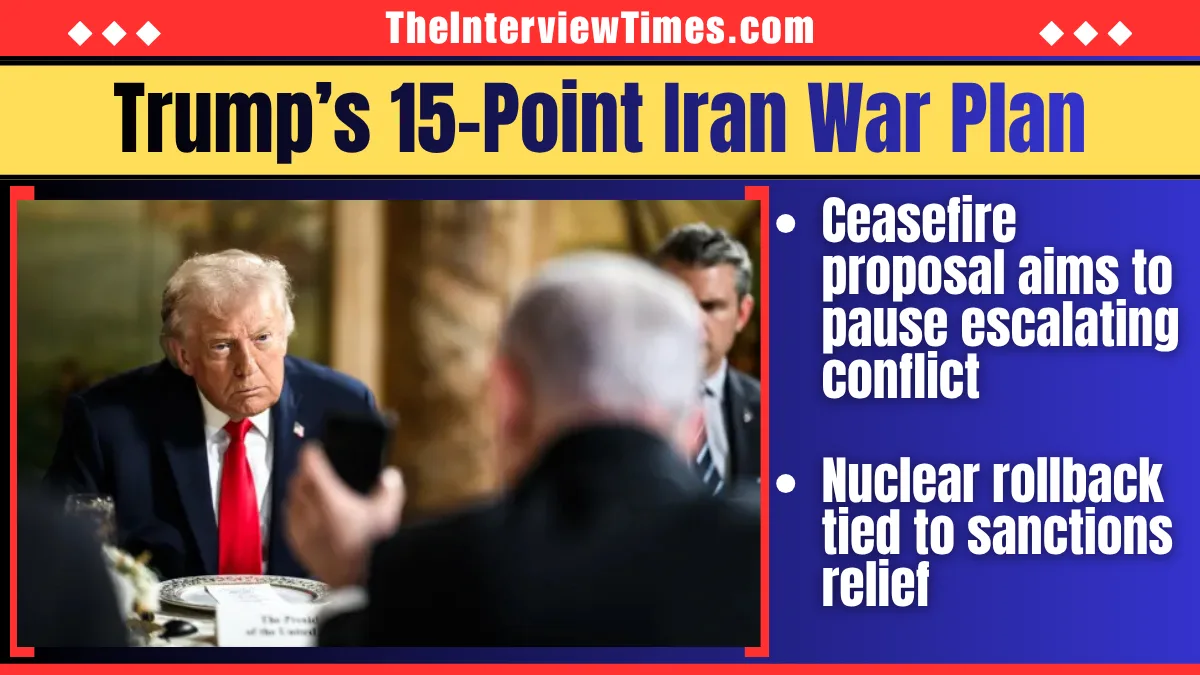
Trump Iran war plan proposes 15-point deal with ceasefire, nuclear rollback, and sanctions relief as Middle East conflict enters fourth week.
Article Summary
The Trump administration has introduced a 15-point proposal to end the Iran war, featuring a one-month ceasefire, nuclear dismantling, and potential sanctions relief. The plan comes amid rising oil prices and escalating military tensions.
Key Highlights
- 15-point Trump Iran war plan aims to end conflict through diplomacy
- One-month ceasefire proposed to enable negotiations
- Iran asked to dismantle nuclear facilities and halt uranium enrichment
- U.S. may offer security guarantees and sanctions relief
- Oil prices react as conflict impacts global energy markets
The Trump Iran war plan has emerged as a major diplomatic push to end the escalating Middle East conflict, now in its fourth week. The proposal outlines a 15-point framework that includes a month-long ceasefire and strict limits on Iran’s nuclear and missile programs.
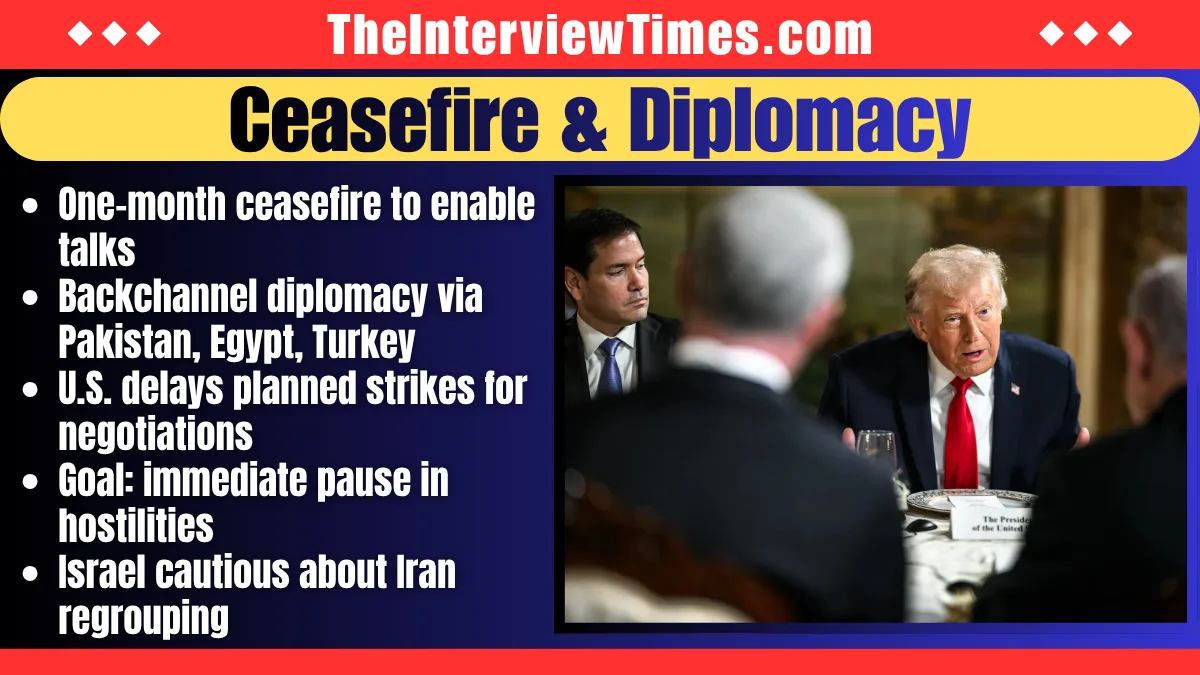
According to multiple international reports, the plan was delivered through intermediaries including Pakistan, with support from regional players such as Egypt and Turkey. The goal is to create an immediate pause in hostilities while negotiating a broader agreement.
Key Demands: Nuclear Rollback and Missile Restrictions
At the core of the Trump Iran war plan are stringent conditions targeting Iran’s strategic capabilities.
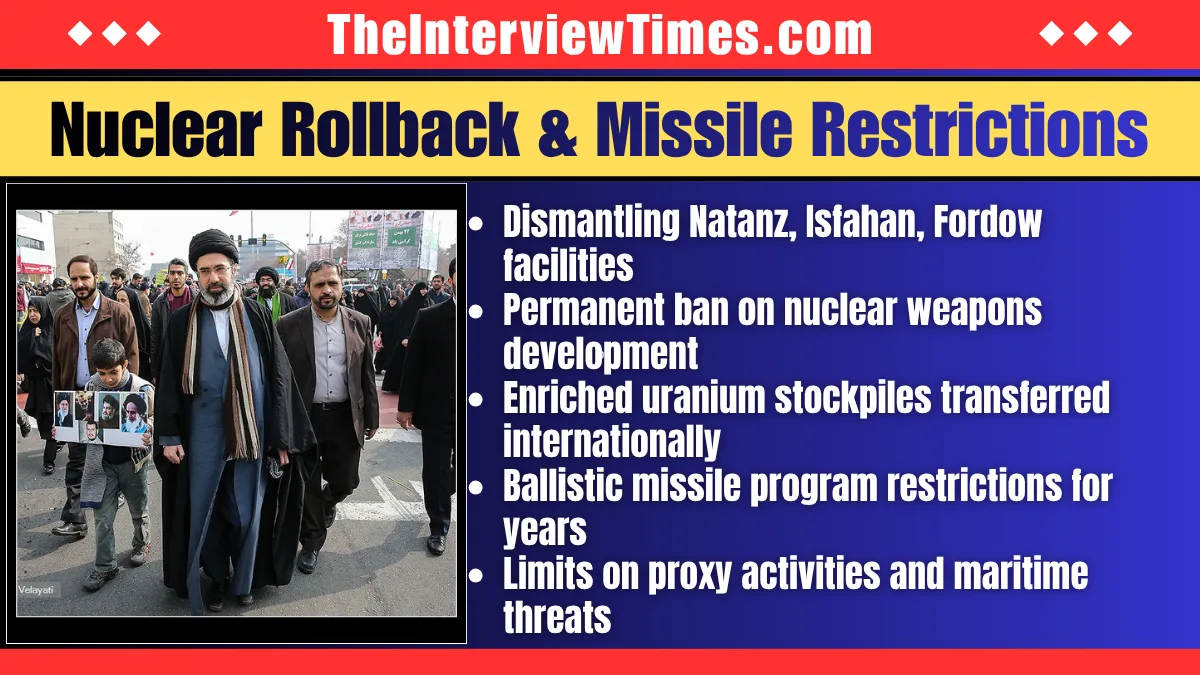
The proposal reportedly calls for:
- Dismantling major nuclear facilities, including Natanz, Isfahan, and Fordow
- A permanent commitment to never develop nuclear weapons
- Transfer of enriched uranium stockpiles to international authorities
- Restrictions on ballistic missile programs for several years
- Measures to limit regional proxy activities and secure maritime routes
In return, the United States is expected to offer sanctions relief and possible security guarantees, including discussions around reducing its military footprint in the region.
Ceasefire Strategy and Backchannel Diplomacy
A central pillar of the plan is a one-month ceasefire, designed to provide diplomatic space for negotiations. This mirrors previous conflict pauses brokered during earlier regional crises.
President Donald Trump expressed confidence, stating that “major points of agreement” have already been reached. Trump also announced a five-day pause in planned U.S. strikes on Iranian infrastructure to keep diplomatic channels open.
Reports indicate that Islamabad may host high-level talks, signaling Pakistan’s growing role as a mediator in global conflicts.
Iran Rejects Claims, War Continues
Iran has strongly denied any formal negotiations, calling such reports “fake news.” Officials confirmed only indirect communication through intermediaries while continuing military operations.
Recent developments include:
- Missile strikes targeting Israel
- Attempts to disrupt shipping in the Strait of Hormuz
- Continued escalation despite diplomatic signals
Meanwhile, Israeli officials remain cautious. Concerns persist that a ceasefire could allow Iran to regroup militarily rather than commit to long-term concessions.
Rising Military and Economic Pressures
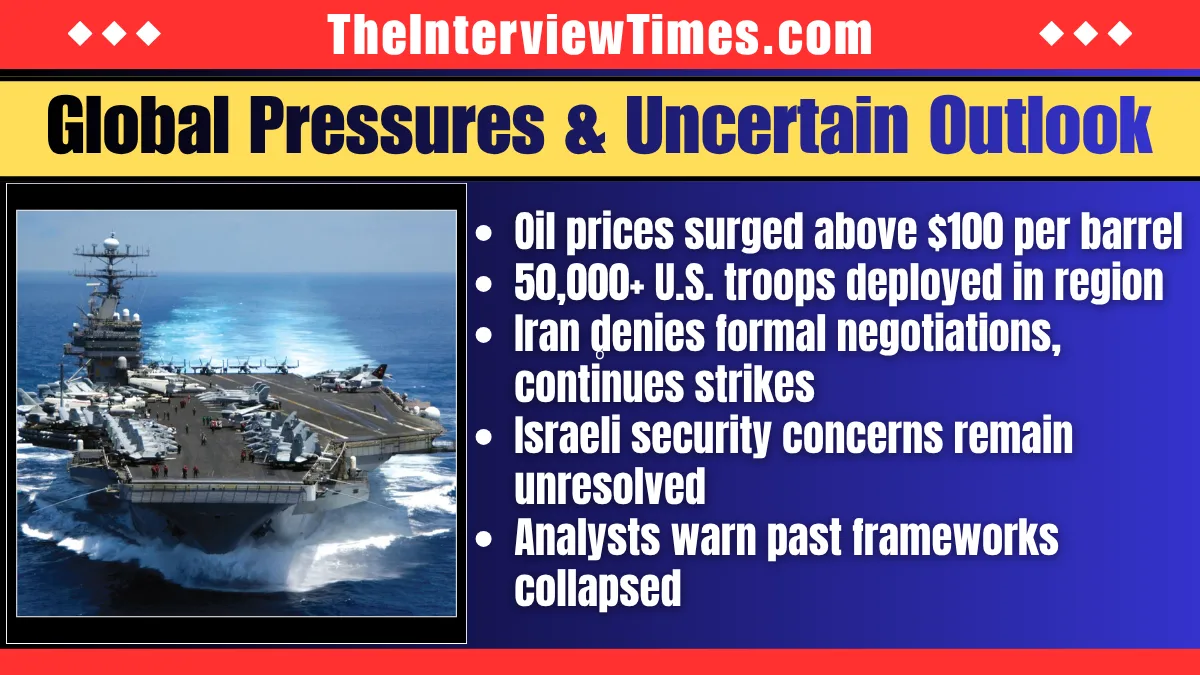
The conflict has triggered significant global consequences. The United States has placed over 50,000 troops in the region, with an additional 1,000 on standby.
Energy markets have been particularly volatile. Oil prices surged above $100 per barrel earlier in the week, before dipping following Trump’s announcement of delayed strikes.
This economic pressure is widely seen as a key factor driving Washington’s urgency to secure a diplomatic resolution.
Uncertain Outlook for Peace Deal
Despite optimism from Washington, the success of the Trump Iran war plan remains uncertain.
Key challenges include:
- Iran’s resistance to strict nuclear conditions
- Israeli concerns over security risks
- Lack of publicly released full agreement details
Analysts note that similar frameworks have failed in the past, including a 2025 negotiation attempt that collapsed before the current conflict began.
The coming days will be critical in determining whether this plan leads to a lasting peace agreement or merely a temporary pause in fighting.
Key Takeaways
- The Trump administration has proposed a detailed 15-point plan to end the Iran war.
- The framework includes a one-month ceasefire and strict nuclear restrictions.
- Iran has denied active negotiations and continues military operations.
- Rising oil prices and global pressure are driving urgent diplomacy.
- The outcome of this plan remains uncertain as tensions persist.
Top News: Pakistan Offers to Host US-Iran Peace Talks as War Escalates – theinterviewtimes.com
