
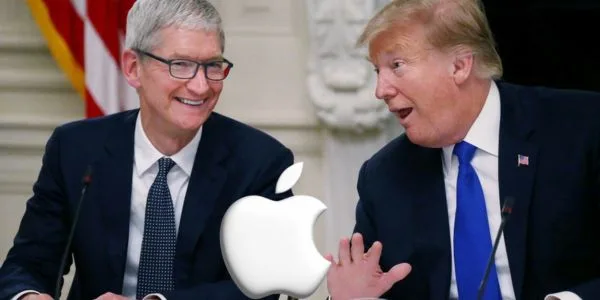
Discover President Trump’s 100% chip tariff announced on August 7, 2025, exempting Apple, TSMC, Nvidia, and Samsung. Learn how this policy aims to boost U.S. manufacturing, its impact on electronics prices, and global supply chain risks.
President Donald Trump announced a game-changing 100% tariff on imported computer chips and semiconductors on August 7, 2025, shaking up the tech industry. The new policy exempts companies like Apple, TSMC, Nvidia, and Samsung that are investing in U.S. manufacturing. This move aims to boost American production but could impact prices and global supply chains. Here’s everything you need to know about the tariff, its exemptions, and what it means for consumers and businesses.
What Is the 100% Chip Tariff?
The tariff applies a 100% tax on all computer chips and semiconductors manufactured outside the United States. These components are essential for devices like smartphones, laptops, gaming consoles, and cars. By doubling the cost of imported chips, the policy pushes companies to produce in the U.S. to avoid the hefty tax.
However, companies committing to U.S. manufacturing are exempt. Apple, for example, secured an exemption by pledging an additional $100 billion for U.S. production, bringing its total investment to $600 billion. Other tech giants, including Taiwan Semiconductor Manufacturing Company (TSMC), Nvidia, and Samsung, are also likely exempt due to their investments in American factories, such as TSMC’s Arizona plant and Samsung’s Texas facility.
Must Read: Nvidia Reaches Historic $4 Trillion Valuation as AI Chip Demand Soars
Why Is Trump Implementing This Chip Tariff?
The tariff is part of President Trump’s “America First” agenda to revive U.S. manufacturing and reduce reliance on foreign chips, especially from Asia. The U.S. depends heavily on countries like Taiwan and South Korea for semiconductors, which became a problem during recent global supply chain disruptions. Shortages affected industries from electronics to automotive, prompting calls for domestic production.
By imposing the Chip Tariff, Trump aims to:
- Create thousands of high-paying U.S. jobs.
- Strengthen national security by reducing dependence on foreign tech.
- Encourage companies to build factories in the U.S.
How Will the Chip Tariff Affect Consumers?
The tariff’s impact on consumers depends on whether companies are exempt. Non-exempt companies importing chips may face higher costs, potentially leading to:
- Increased prices for electronics like smartphones, laptops, and TVs.
- Supply chain delays as companies adjust to the new rules.
Exempt companies like Apple, TSMC, and Nvidia may avoid price hikes, giving them a competitive edge. For instance, Apple’s U.S. manufacturing investments could stabilize iPhone and MacBook prices. However, smaller companies without U.S. factories might struggle, potentially passing costs to consumers.
Industry Reactions to the Chip Tariff
The tech industry is divided. Exempt companies like Apple and TSMC have stayed quiet, likely relieved by their exemptions. However, smaller manufacturers are worried. A spokesperson for a mid-sized electronics company told The Interview Times, “This tariff could hit smaller players hard. Building U.S. factories isn’t cheap or quick.”
The Semiconductor Industry Association has called for clarity on exemption criteria and support for companies transitioning to U.S. production. They warn that short-term disruptions could affect global supply chains, especially if non-exempt companies face delays or cost increases.
Must Read: Genesis AI Secures $105M in Seed Funding to Revolutionize Robotics with Universal Foundation Model
What’s Next for the Tariff Policy?
The White House plans to release full details of the tariff next week, including:
- Exemption criteria: How much investment qualifies for a tariff waiver.
- Implementation timeline: When the tariff takes effect.
- Support for businesses: Potential incentives for building U.S. factories.
Economists are also watching for global reactions, especially from China, a major chip producer. Retaliatory tariffs or restrictions could escalate trade tensions, impacting prices and availability worldwide.
Why This Matters for the Tech Industry
The 100% chip tariff is a bold step to reshape the global tech landscape. If successful, it could make the U.S. a semiconductor powerhouse, creating jobs and boosting economic security. However, challenges include:
- High costs for companies unable to shift production quickly.
- Potential price hikes for consumers if exemptions are limited.
- Global trade risks, especially with major chip-producing nations.
What Should Consumers and Businesses Do?
- Consumers: Expect potential price increases for non-exempt brands. Consider researching which companies are exempt to make informed purchases.
- Businesses: Evaluate U.S. manufacturing options or partnerships with exempt companies like TSMC to avoid tariffs.