
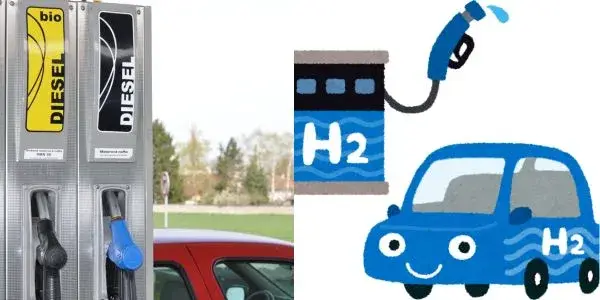
Can hydrogen fuel replace petrol and diesel? Explore India’s Green Hydrogen Mission, global hydrogen initiatives, startups, and the future of clean transport in the Green Tech Revolution.
As the world confronts the climate crisis and rising fuel costs, the race for sustainable alternatives to petrol and diesel has intensified. Among the contenders, hydrogen fuel is emerging as a game-changing solution. With India’s National Green Hydrogen Mission and global interest in clean transport, the question arises: Can hydrogen fuel truly replace petrol and diesel?
What is Hydrogen Fuel and How Does It Work?
Hydrogen fuel is a clean energy source that, when used in fuel cells, produces electricity through a chemical reaction between hydrogen and oxygen. Unlike petrol and diesel, the only by-product of this process is water vapor, making it a zero-emission technology.
Two major types of hydrogen are often discussed:
- Grey Hydrogen: Produced using fossil fuels, not fully clean.
- Green Hydrogen: Produced using renewable energy like solar and wind, making it sustainable and eco-friendly.
For transport, hydrogen fuel can be used in fuel cell electric vehicles (FCEVs), which are similar to electric cars but powered by hydrogen.
Must Read: Green Hydrogen Mission: India’s Path to Net Zero Explained
India’s Green Hydrogen Mission
India launched the National Green Hydrogen Mission in January 2023 with a budget of ₹19,744 crore to promote green hydrogen production. The mission’s goals include:
- Making India a global hub for green hydrogen production and export.
- Reducing dependence on fossil fuel imports.
- Cutting carbon emissions in line with the Net Zero 2070 target.
- Creating domestic industries and green jobs.
Several Indian companies like Reliance, Adani, and NTPC are investing in green hydrogen plants, while startups are working on hydrogen-powered mobility and storage solutions.
Global Push for Hydrogen
Worldwide, countries are exploring hydrogen fuel as part of their clean energy strategy:
- Japan and South Korea are investing heavily in hydrogen cars.
- Germany is building hydrogen-powered trains and transport systems.
- The EU plans to use hydrogen to decarbonize industries like steel and cement.
This global momentum boosts India’s ambition to become a hydrogen leader in Asia.
Hydrogen Fuel vs. Petrol and Diesel
| Feature | Petrol/Diesel | Hydrogen Fuel |
| Emissions | CO2 & pollutants | Zero (only water vapor) |
| Refueling Time | 5 minutes | 5–10 minutes |
| Energy Efficiency | Moderate | High (if green hydrogen is used) |
| Infrastructure | Established | Developing |
| Fuel Cost (Future) | Rising | Expected to drop with scale |
While petrol and diesel dominate due to infrastructure readiness, hydrogen is cleaner and could become cost-competitive with mass adoption.
Must Read: Natural Hydrogen: The Fuel of the Future?
Challenges Ahead
Despite its promise, hydrogen fuel faces key challenges:
- High Production Costs – Green hydrogen is expensive compared to fossil fuels.
- Storage and Safety – Hydrogen requires high-pressure storage and special infrastructure.
- Limited Infrastructure – Few refueling stations exist in India and globally.
- Energy Efficiency Debate – Some argue electric batteries are currently more efficient.
Future of Clean Transport
Experts believe hydrogen fuel won’t fully replace petrol and diesel overnight but will play a complementary role along with electric vehicles. While EVs dominate passenger cars, hydrogen could power long-haul trucks, buses, ships, and even airplanes where batteries are less effective.
India’s Green Hydrogen Mission, coupled with global partnerships, can help the country become a key player in this transition. Over the next two decades, hydrogen could reshape the transport, energy, and industrial sectors.
Conclusion
The Green Tech Revolution is underway, and hydrogen fuel is at the center of it. While challenges remain, India’s ambitious policies and global momentum signal that hydrogen has the potential to gradually replace petrol and diesel, especially in heavy transport and industry. If production costs fall and infrastructure expands, hydrogen could become the fuel of the future—clean, efficient, and sustainable.
Must Read: Global Plastic Pollution Treaty Talks Stall: Urgent Action Needed to Combat Plastic Waste
FAQs on Hydrogen Fuel and Clean Transport
1. What is hydrogen fuel?
Hydrogen fuel is a clean energy source that produces electricity when combined with oxygen in a fuel cell. Its only emission is water vapor, making it eco-friendly compared to petrol and diesel.
2. Why is hydrogen called the “fuel of the future”?
Hydrogen is abundant, renewable (when produced from green sources), and emits zero carbon. With the right infrastructure, it can power cars, trucks, trains, and even airplanes.
3. What is India’s Green Hydrogen Mission?
Launched in 2023, India’s National Green Hydrogen Mission aims to make India a global leader in green hydrogen production, reduce fossil fuel imports, and achieve Net Zero emissions by 2070.
4. Can hydrogen fuel replace petrol and diesel completely?
Not immediately. While hydrogen can replace fossil fuels in heavy transport, shipping, and industry, electric vehicles may remain dominant for passenger cars. The transition will be gradual.
5. What are the challenges of hydrogen fuel?
The main challenges are high production costs, lack of refueling infrastructure, and safety concerns in storage. However, with global investments and innovation, costs are expected to fall.
6. Is hydrogen better than electric batteries?
Both have advantages. EVs are more efficient for short distances, while hydrogen fuel cells are better for long-haul transport, buses, and shipping where battery limitations exist.
7. Which companies in India are investing in hydrogen fuel?
Major players include Reliance Industries, Adani Group, NTPC, and several startups working on hydrogen-powered mobility and green energy solutions.