

TheInterviewTimes.com | March 18, 2026 | 6:18 PM IST
DGCA mandates 60% free seats on Indian flights, ensures family seating, and clarifies baggage rules. Major passenger-friendly reforms in India aviation 2026.
Key Highlights
- DGCA mandates 60% seats without extra charges on every flight
- Airlines must seat families together under same PNR
- Clear rules issued for pets, sports equipment, and musical instruments
- Passenger rights must be displayed in regional languages across platforms
- Move comes amid India’s fast-growing aviation market
India’s aviation sector witnessed a major passenger-friendly reform on March 17, 2026, as the Directorate General of Civil Aviation (DGCA) directed airlines to allocate at least 60 percent of seats on every flight free of additional charges.
The move targets rising complaints about expensive seat selection fees that often increase total ticket costs, especially for families and group travelers. Civil Aviation Minister Ram Mohan Naidu described the decision as a step toward greater transparency, affordability, and passenger convenience.

New Rules for Airlines
The DGCA has issued a set of enforceable directives that apply to major carriers such as IndiGo, Air India, and SpiceJet.
Key mandates include:
- Free seating allocation: At least 60% of seats must be available without extra charges
- Family seating guarantee: Passengers under the same PNR must be seated together or nearby
- Transparent baggage rules: Airlines must clearly define policies for
- Pets
- Sports equipment
- Musical instruments
- Passenger rights visibility: Rules must be displayed on
- Websites
- Mobile apps
- Booking platforms
- Airport counters
- Regional language formats
Additionally, airlines must strictly follow norms related to flight delays, cancellations, and denied boarding, strengthening earlier refund rules like 48-hour free cancellation policies.
India’s Aviation Growth Context
These reforms come at a time when India has emerged as the world’s third-largest domestic aviation market.
On March 17, 2026 alone, Indian airports handled over 947,000 passenger footfalls, including more than 473,000 departures, reflecting strong travel demand.
Government initiatives like the UDAN scheme have significantly expanded regional air connectivity, making air travel more accessible.
In January 2026:
- Domestic passengers reached 15.25 million
- Growth stood at 4.36% year-on-year
Industry projections suggest 7% to 10% passenger growth in FY2026, with total traffic expected to reach 175 to 181 million passengers.
Impact on Passengers and Airlines
For Passengers
- Reduced overall travel costs due to fewer add-on charges
- Easier travel for families and groups
- Greater clarity on baggage and pet travel rules
- Improved awareness of passenger rights
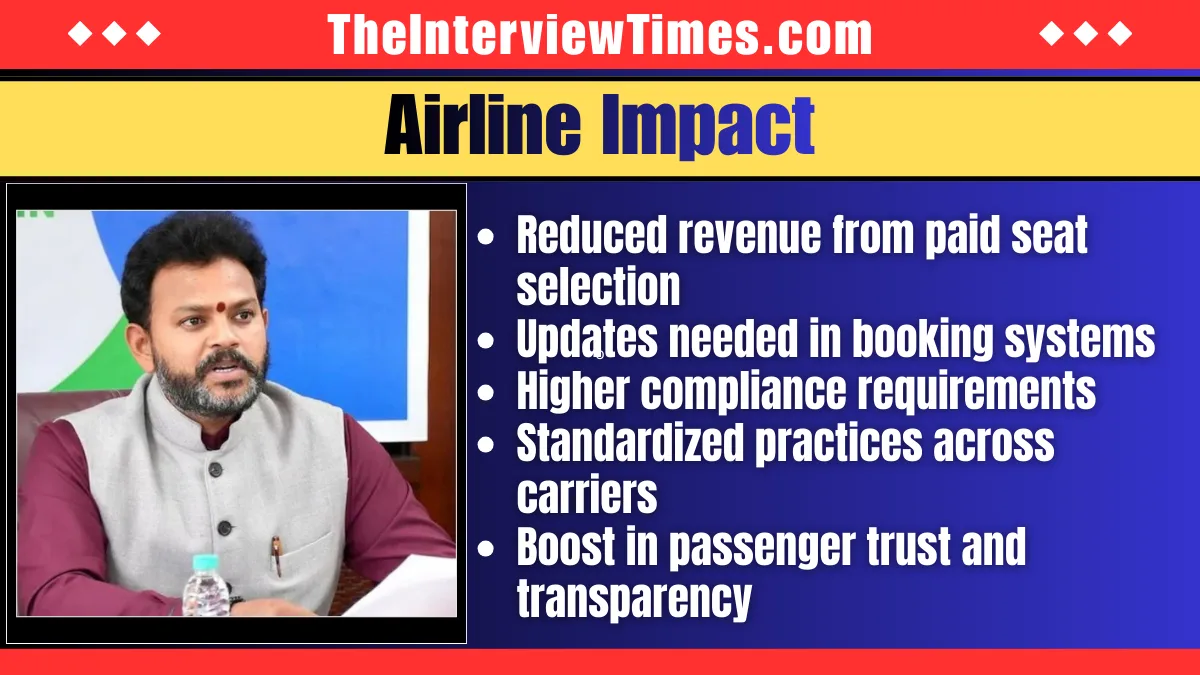
For Airlines
- Potential decline in ancillary revenue from paid seat selection
- Need for rapid updates in booking systems
- Increased regulatory compliance requirements
Despite potential revenue challenges, the reforms are expected to boost customer trust and standardize airline practices across India.
Top News: Rohingya Crisis 2026 Explained: 1.2 Million Refugees Face Aid Cuts, Violence and No Safe Return
