
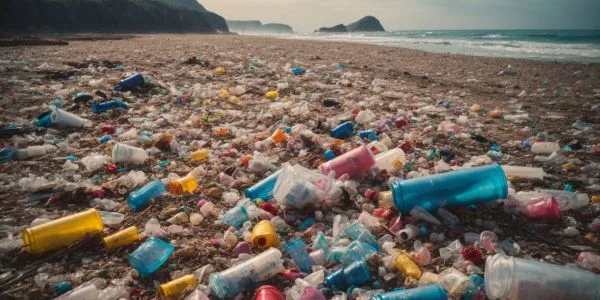
The global plastic pollution treaty faces delays as world leaders struggle to reach consensus. Learn why the global plastic pollution treaty is vital for ending plastic waste and protecting both human health and the environment.
Why the Global Plastic Pollution Treaty Is Crucial for Environmental Survival
The global plastic pollution treaty—a landmark initiative led by the United Nations Environment Programme (UNEP)—has hit a major roadblock. After a week of negotiations in Geneva, delegates from over 180 countries failed to reach agreement on key terms of the global plastic pollution treaty, delaying progress on one of the most urgent environmental challenges of our time.
Plastic pollution is a global crisis. Over 400 million tonnes of plastic are produced annually, with a significant portion ending up in oceans, rivers, and landfills. The global plastic pollution treaty aims to address this by phasing out single-use plastics, enforcing extended producer responsibility, and promoting sustainable alternatives.
Island nations like Vanuatu and Maldives have been vocal supporters of the global plastic pollution treaty, citing the existential threat plastic waste poses to their ecosystems and economies. “We are drowning in plastic,” said Vanuatu’s environment minister. “This treaty is not just about waste—it’s about survival.”
The Hidden Dangers of Plastic Pollution to Humans and the Environment
Plastic pollution isn’t just an eyesore—it’s a chemical and biological threat. The global plastic pollution treaty seeks to address these dangers head-on:
Environmental Impact
- Marine life destruction: Over 1,500 species are harmed by plastic ingestion or entanglement.
- Ecosystem disruption: Microplastics contaminate soil and water, affecting biodiversity and food chains.
- Climate consequences: Plastic production and degradation release greenhouse gases, contributing to global warming.
- Longevity of waste: Plastics can take centuries to decompose, persisting in the environment indefinitely.
Human Health Risks
- Microplastics in the body: Found in blood, lungs, and even placentas, causing inflammation and oxidative stress.
- Chemical exposure: Plastics contain thousands of chemicals, many of which are toxic or carcinogenic.
- Hormonal disruption: Certain plastic additives interfere with endocrine systems, affecting fertility and development.
- Respiratory issues: Airborne microplastics from synthetic textiles can cause chronic lung problems.
- Economic burden: Health impacts from plastic pollution strain public health systems, especially in vulnerable communities.
These risks underscore the urgency of the global plastic pollution treaty, which aims to protect not only the planet but also public health.
Must Read: Green Hydrogen Mission: India’s Path to Net Zero Explained
What the Global Plastic Pollution Treaty Proposes
The global plastic pollution treaty outlines several key goals:
- Ban or phase out single-use plastics
- Hold manufacturers accountable through extended producer responsibility (EPR)
- Promote biodegradable and circular economy solutions
- Provide financial and technical support to developing nations
However, the treaty has faced resistance from major plastic-producing countries like the United States, China, and India, who favor voluntary commitments over legally binding targets.
Economic vs. Environmental Debate
Industry groups argue that the global plastic pollution treaty could disrupt supply chains and increase costs for manufacturers and consumers. Meanwhile, environmental advocates stress that without a strong global plastic pollution treaty, the planet risks irreversible damage.
Developing nations have also raised concerns about fairness. Many lack the infrastructure to manage plastic waste and are calling for financial support as part of the global plastic pollution treaty.
Innovation and Activism Offer Hope
Despite diplomatic setbacks, innovation continues. Startups are developing plastic alternatives from seaweed, cassava, and fungi. Cities like Amsterdam and Seoul are piloting zero-waste zones, and youth-led movements such as Break Free From Plastic are rallying global support for the global plastic pollution treaty.
UNEP Executive Director Inger Andersen remains optimistic:
“This is not failure—it’s friction. And friction is how progress begins.”
What’s Next for the Global Plastic Pollution Treaty?
Negotiators will reconvene in Nairobi later this year, with hopes of finalizing the global plastic pollution treaty by mid-2026. Until then, the world watches closely. The stakes are high—not just for the environment, but for the future of global cooperation.
The global plastic pollution treaty is more than a policy—it’s a lifeline for future generations. As climate change accelerates and ecosystems degrade, the urgency for a unified global response has never been greater.