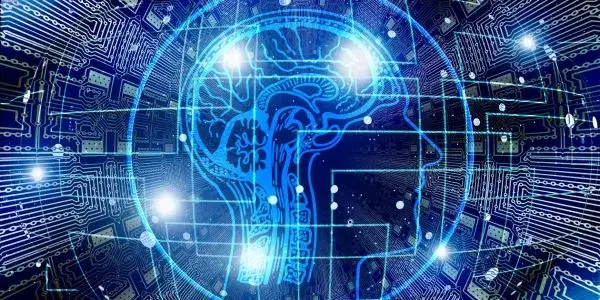
The human brain upload explores brain-computer interfaces, digital immortality, and whether human consciousness can ever be transferred to machines, reshaping the future of life and technology.
The Human Brain Upload: What It Means
Digital immortality, or the concept of human brain upload, has long been a topic of science fiction. Today, advances in neuroscience and technology are bringing this idea closer to reality. But what does it mean to upload a human brain?
Simply put, a brain upload would involve scanning, mapping, and transferring the entire structure of a human brain—including memories, personality, and consciousness—into a digital medium or machine. The goal: preserving identity and potentially living indefinitely in a virtual or robotic form.
Brain-Computer Interfaces: The Bridge Between Mind and Machine
At the core of this idea are brain-computer interfaces (BCIs)—devices that create a direct communication pathway between the human brain and external machines.
- Neural Implants: Devices like Neuralink’s microchips read and interpret brain signals in real time.
- Non-Invasive BCIs: EEG-based headsets track neural activity and allow control of computers or prosthetics without surgery.
- Memory Mapping: Advanced research is attempting to digitally capture the neural patterns responsible for memory and cognition.
These innovations suggest that, theoretically, a digital copy of the brain could one day be created.
Must Read: Neuralink Advances Brain-Computer Interface with Third Human Implant in 2025
Can Consciousness Be Transferred?
This is where science meets philosophy. Mapping memories and brain activity is one thing—but transferring consciousness is another.
- Memory vs. Awareness: Even if we can replicate memories and thought patterns digitally, it is unclear whether the subjective experience of consciousness—the “self”—can be uploaded.
- Identity and Continuity: Would a digital copy truly be you, or just a replica? Many scientists argue that consciousness may not survive the transfer.
- Ethical Considerations: Creating digital humans raises profound ethical questions about rights, personhood, and the meaning of life.
Despite these challenges, research continues in labs worldwide, as tech visionaries and neuroscientists explore the limits of the human mind.
Potential Applications of Brain Upload Technology
If digital immortality becomes feasible, its impact could be revolutionary:
- Extended Life: People could preserve their cognitive abilities beyond biological limits.
- Enhanced Learning: Digital minds could instantly access information or collaborate across networks.
- Space Exploration: Consciousness could be uploaded into robots for extreme environments like Mars.
- Medical Advancements: Brain mapping could help treat neurodegenerative diseases such as Alzheimer’s.
However, these applications remain largely speculative and face immense technological, ethical, and philosophical hurdles.
Must Read: World’s First Biological Computer Using Human Brain Cells Launched by Australian Startup
The Human Brain Upload: Challenges and Limitations
Despite rapid progress, the science of brain upload is in its infancy:
- Complexity of the Human Brain: With over 86 billion neurons and trillions of synapses, replicating the brain is an enormous challenge.
- Computational Power: Simulating a human brain requires far more computing power than currently available.
- Ethical and Legal Issues: Digital consciousness raises questions about rights, consent, and societal implications.
In short, digital immortality may be theoretically imaginable, but practically, it remains decades—or even centuries—away.
Must Read: Microsoft Partners Up on “Digital Brain” AI Technology
Conclusion
The concept of human brain upload and digital immortality forces us to rethink life, consciousness, and technology. Brain-computer interfaces are already bridging the gap between humans and machines, but transferring true consciousness may remain an unsolved mystery.
While science continues to push boundaries, the real question is not just can we upload the brain, but should we. The human mind is the final frontier, and whether it can ever achieve digital immortality remains one of the greatest questions of our time.