
Discover the reset in India-Maldives relations as PM Modi’s historic July 2025 visit strengthens ties with President Muizzu. Explore key outcomes, from $565M aid to FTA talks, and the geopolitical shift in this detailed explainer.
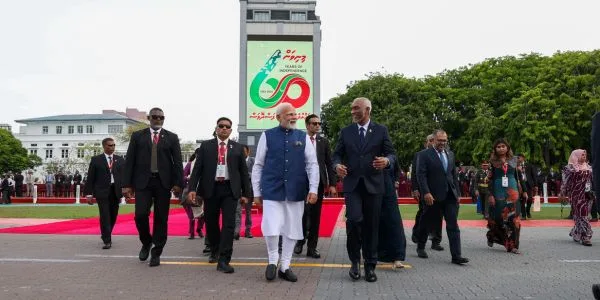
The India-Maldives relationship, a cornerstone of South Asian diplomacy, has entered a new phase of renewed cooperation following Prime Minister Narendra Modi’s historic visit to the Maldives on July 25-26, 2025. As the Guest of Honour for the Maldives’ 60th Independence Day celebrations, Modi’s visit—the first by a foreign head of state or government during President Mohamed Muizzu’s tenure—marked a significant reset in bilateral ties. This explainer delves into the verified details of this diplomatic milestone, its implications, and the broader context of India-Maldives relations, crafted for readers seeking clarity on this pivotal development.

India-Maldives Relations: A Historic Visit to Reset Tie
Prime Minister Modi’s two-day visit to Male was a high-profile affair, underscored by warm gestures and substantive outcomes. President Muizzu, who welcomed Modi at Male’s Velana International Airport, described India as a “crucial partner” for the Maldives’ future, a stark contrast to his earlier “India Out” campaign rhetoric during the 2023 presidential election. Modi, in turn, reiterated India’s unwavering support under its “Neighbourhood First” policy and the MAHASAGAR (Maritime Hub and Spokesperson for Growth, Amity, and Resilience) vision, emphasizing India’s role as a reliable partner in times of crisis.
The visit culminated in wide-ranging talks, the signing of multiple Memorandums of Understanding (MoUs), and the inauguration of key India-funded projects. A notable highlight was the release of a commemorative postal stamp featuring traditional boats—the Indian “Dhow” and Maldivian “Dhoni”—symbolizing 60 years of diplomatic ties. These gestures, coupled with concrete agreements, signal a deliberate effort to mend and strengthen bilateral relations.
ދިވެހިރާއްޖެއަށް ކުރި މި ކާމިޔާބު ދަތުރު ނިންމުމަކަށް އަންނައިރު، ހިތުގެ އެންމެ ފުންމިނުން ރައީސް މުޢިއްޒުއަށާއި، ދިވެހި ސަރުކާރަށާއި، ދިވެހި ރައްޔިތުންނަށް ތިޔަ ދެއްވި މެހެމާންދާރީއަށް ޝުކުރު ދަންނަވަން. 60ވަނަ މިނިވަން ދުވަހުގެ މުނާސަބަތުގައި ބައިވެރިވުމަކީ އަޅުގަނޑަށް ލިބުނު… pic.twitter.com/iQyQWQHZ7b
— Narendra Modi (@narendramodi) July 26, 2025

India-Maldives Relations: Key Outcomes of Modi’s Visit
- Economic and Infrastructure Support:
- India extended a $565 million (₹4,850 crore) line of credit to fund infrastructure projects, reinforcing its role as a key economic partner.
- Negotiations for a Free Trade Agreement (FTA) were initiated, aimed at boosting trade, particularly in tourism, fisheries, and renewable energy.
- Modi announced the adoption of the Unified Payments Interface (UPI) in the Maldives, facilitating digital transactions and enhancing economic connectivity.
- Defense and Security Cooperation:
- India handed over 72 vehicles to the Maldives National Defence Force (MNDF), strengthening its operational capabilities.
- A new defense ministry building in Male, funded by India, was inaugurated, underscoring deepened defense ties.
- Both leaders emphasized maritime security cooperation in the Indian Ocean Region, with India committing to support the Maldives in countering piracy, trafficking, and other regional challenges.
- People-to-People Ties:
- Modi highlighted the cultural and historical bonds between the two nations, noting the contributions of Indian educators and healthcare professionals in the Maldives.
- Muizzu expressed optimism about increasing Indian tourist arrivals, a critical driver of the Maldives’ economy, which saw 1.2 million Indian visitors in 2024 alone.
- Climate and Sustainability:
- Both nations committed to collaborate on renewable energy and climate resilience, aligning with the Maldives’ vulnerability to rising sea levels and India’s expertise in sustainable development.

The Context: From Tensions to Reconciliation
The reset comes after a turbulent period in India-Maldives relations. President Muizzu, elected in November 2023 on a pro-China, “India Out” platform, initially demanded the withdrawal of Indian military personnel stationed in the Maldives for operating aviation platforms. By May 2024, India replaced these personnel with civilian technical staff, maintaining its support for Maldivian defense capabilities without a military presence. This diplomatic maneuver, coupled with sustained economic aid, paved the way for reconciliation.
India’s economic support has been pivotal. In 2024, New Delhi provided a $400 million currency swap agreement to bolster the Maldives’ dwindling foreign exchange reserves, which stood at $437 million in June 2025—barely enough for two months of imports. With a looming risk of debt distress due to significant Chinese loans (estimated at $1.3 billion), Muizzu’s pragmatic shift toward India reflects economic necessity as much as diplomatic goodwill. His assurance that the Maldives would not harm India’s security interests further underscores this recalibration.
Must Read: The Silk Route and India’s Trade Legacy: A Historical Journey of Global Commerce

Why This Matters: Regional and Global Implications
India-Maldives Relations Reset has far-reaching implications for South Asia and the Indian Ocean Region:
- Countering China’s Influence: The Maldives’ strategic location makes it a focal point in the India-China geopolitical rivalry. Muizzu’s earlier pro-China tilt, including infrastructure deals under Beijing’s Belt and Road Initiative, raised concerns in New Delhi. The reset signals India’s reaffirmed influence in its backyard, counterbalancing China’s growing presence.
- Maritime Security: The Indian Ocean is a critical artery for global trade, with 80% of India’s energy imports passing through its sea lanes. Strengthened India-Maldives cooperation ensures a stable maritime environment, vital for both nations’ security.
- Economic Stability: The Maldives’ tourism-dependent economy relies heavily on Indian visitors and aid. The FTA and UPI adoption promise to deepen economic ties, benefiting both nations.
- Climate Leadership: As low-lying islands, the Maldives face existential threats from climate change. India’s expertise in renewable energy and disaster management positions it as a key partner in the Maldives’ sustainability efforts.

Must Read: Understanding the Sustainable Development Goals: A Blueprint for a Better Future
India-Maldives Relations: Challenges Ahead
While the reset is a positive step, challenges remain. Muizzu’s domestic political base, rooted in anti-India sentiment, may limit the extent of his pro-India pivot. Additionally, the Maldives’ economic fragility and reliance on Chinese loans require careful navigation to avoid over-dependence on any single partner. Sustaining the momentum of this reset will depend on consistent diplomatic engagement and tangible outcomes for the Maldivian people.
Conclusion: A New Chapter in India-Maldives Relations
Prime Minister Modi’s visit to the Maldives and President Muizzu’s acknowledgment of India as a “crucial partner” mark a turning point in bilateral ties. Backed by verified outcomes—economic aid, defense cooperation, and cultural exchanges—this reset reflects a mutual commitment to stability and prosperity in the Indian Ocean Region. As both nations navigate geopolitical and economic challenges, the India-Maldives partnership stands as a testament to the power of diplomacy in bridging divides.
For the latest updates on India-Maldives relations, global diplomacy, and South Asian geopolitics, stay tuned to The Interview Times.