

India faces major travel disruption as IndiGo flight cancellations cross 1,000 in four days, prompting the government to cap airfares and Indian Railways to run 89 special trains.
IndiGo Flight Cancellations Crisis Deepens; Government Steps In With Fare Caps and Rail Support
TheInterviewTimes.com | 7 December 2025, 06:35 IST: Indian Railways has deployed 89 special trains nationwide as the IndiGo flight cancellations crisis escalated into a severe disruption for air travellers, prompting an unprecedented government intervention to stabilise fares and operations. More than 1,000 IndiGo flights were cancelled in four days, triggering overcrowded airports, skyrocketing ticket prices, and emergency coordination between aviation and rail authorities.
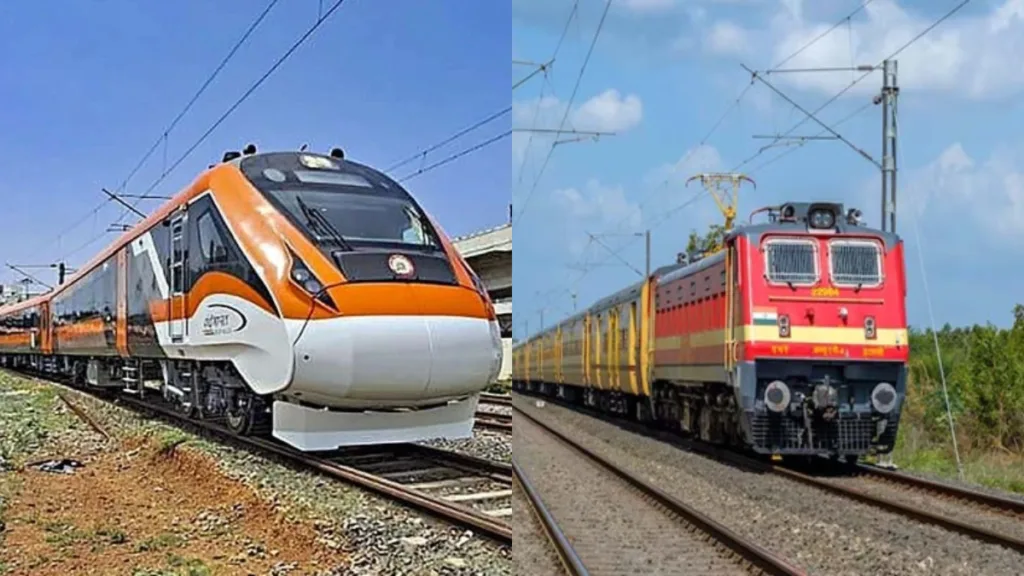
Railways Roll Out 89 Special Trains to Handle Passenger Surge
Indian Railways confirmed that 89 special trains will operate across three days starting Saturday, covering over 100 trips to support passengers stranded due to the IndiGo disruption. Priority routes include Delhi–Mumbai, Delhi–Patna, Chennai–Bengaluru, Howrah–Mumbai, and several high-demand metro and tier-2 corridors.
Officials said rail booking counters in major cities saw an immediate surge as airport chaos spilled over. Before the decision on special trains, Railways had already added extra coaches on multiple long-distance services. Internal assessments showed that the airline meltdown would last “several days”, requiring a more coordinated national response.
Must Read: IT Rules 2021: Updated Guidelines, Intermediary Obligations and Digital Media Ethics Code Explained
What Triggered the IndiGo Meltdown
The crisis marks one of the worst operational breakdowns in IndiGo’s history. According to submissions made to the DGCA, the airline faced:
- Acute pilot shortages
- Winter schedule expansion misalignment
- Delays in adapting to new FDTL (Flight Duty Time Limit) rules
- Network congestion due to crew rest requirements
New FDTL norms mandate longer rest periods and stricter limits on night operations to prevent fatigue. IndiGo reportedly struggled to rebuild rosters in time, pushing hundreds of pilots into automatic rest windows just as demand surged in the first week of December.
Regulator data shows IndiGo’s on-time performance had been deteriorating since November, with reliability metrics slipping sharply before the full-scale disruption.
Government Caps Airfares, Issues Strict Orders to Airlines
As fares shot above ₹80,000–90,000 on trunk routes like Delhi–Mumbai and Bengaluru–Delhi, the Civil Aviation Ministry imposed emergency nationwide fare caps:
- Sectors up to 500 km: cap at ₹7,500
- 500–1,000 km: ₹12,000
- 1,000–1,500 km: ₹15,000
- Above 1,500 km: ₹18,000
(All excluding airport charges and taxes)
Authorities warned airlines against “opportunistic pricing” and initiated round-the-clock monitoring of OTA platforms and airline pricing engines.
The DGCA has:
- Issued a show-cause notice to IndiGo
- Initiated a high-level inquiry
- Temporarily relaxed certain FDTL norms to stabilise operations
- Ordered full automatic refunds for all cancellations
- Directed IndiGo to expedite baggage reunification
IndiGo’s Recovery Plan and DGCA’s Next Steps
IndiGo will cut scheduled flights from next week to create a crew buffer and rebuild a stable operational pattern across its 138-destination network. The airline has committed to clearing all refund backlogs within an accelerated timeline.
Regulators have asked IndiGo to:
- Submit a detailed FDTL compliance and relaxation plan
- Provide fortnightly updates on crew numbers and schedule recovery
- Avoid aggressive scheduling until stability is restored
Senior officials clarified that relaxed night-duty rules are temporary and full fatigue-management norms will return once the crisis stabilises.
Passenger Hardship and the Wider Impact on India’s Travel System
Travellers reported long queues, last-minute cancellations, missing baggage, and difficulty securing alternative tickets on both air and rail routes. Consumer groups welcomed fare caps and refund automation but warned that reduced airline capacity could shift large volumes of passengers to trains and buses, straining the rest of India’s transport ecosystem.
Aviation analysts say the episode highlights key structural vulnerabilities:
- Over-scheduling without adequate crew reserves
- Dependence on tight turnaround times
- Transition challenges to stricter safety norms
With IndiGo still working toward full normalcy, Indian Railways has become India’s de facto backup travel system, bridging mobility gaps until flight operations stabilise nationwide.
Must Read: Dubai Blue Chip Scam Explained: How 700 Investors Lost Over $100 Million in 2024–2025
IndiGo Flight Cancellations: Key Takeaways
- More than 1,000 IndiGo flights have been cancelled in four days.
- Railways deployed 89 special trains to ease passenger pressure.
- Government imposed emergency fare caps and strict price oversight.
- DGCA issued notices and eased select FDTL norms temporarily.
- Analysts warn the crisis exposes deeper structural issues in India’s aviation sector.