
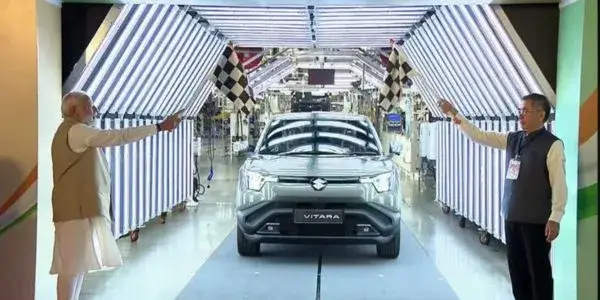
Suzuki Motors commits $8 billion to India, inaugurating the e Vitara EV at Gujarat’s Hansalpur Becharaji plant. PM Modi highlights India’s journey toward sustainable mobility and EV leadership.
At A Glance: e Vitara EV Plant
- Suzuki Motors announces $8 billion investment in India for EV production.
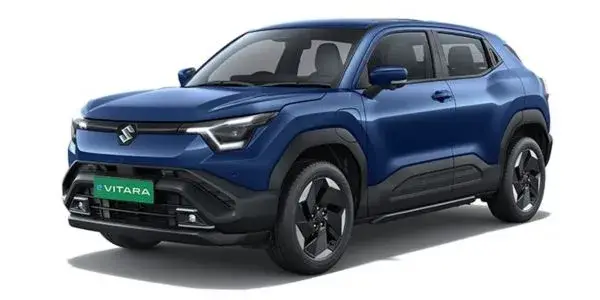
- PM Narendra Modi inaugurates the “e Vitara” battery electric SUV at Gujarat’s Hansalpur plant.
- Maruti Suzuki aims to double production capacity to 4 million units by 2031.
- Plans include local battery production, EV exports, and a push toward global EV leadership.
Made in India electric vehicles are now driving onto the global stage. It reflects our nation's growing strength in green mobility. Addressing a programme in Hansalpur, Gujarat. https://t.co/sZZ7ZCSys1
— Narendra Modi (@narendramodi) August 26, 2025
PM Modi Inaugurates Suzuki e Vitara EV Plant in Gujarat
In a landmark event for India’s automotive sector, Prime Minister Narendra Modi inaugurated Suzuki Motors’ first battery electric vehicle (BEV) production line—the mid-sized “e Vitara” SUV—at the Hansalpur Becharaji plant in Gujarat on August 26, 2025.
Addressing industry leaders, policymakers, and plant workers, PM Modi said:
“This $8 billion investment by Suzuki is not just about building electric vehicles; it is about building a new India. It will create jobs, drive innovation, and make India a global hub for green technology, reinforcing our commitment to a cleaner, self-reliant future.”
The inauguration highlights India’s alignment with the “Make in India” and “Atmanirbhar Bharat” campaigns, promoting self-reliance and sustainable industrial growth.
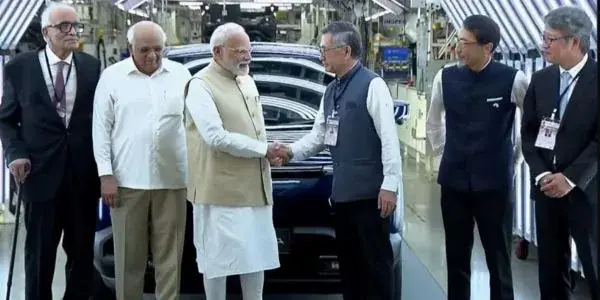
Suzuki Motors $8 Billion Investment Details and EV Strategy
Suzuki’s historic $8 billion commitment, made through its majority-owned subsidiary Maruti Suzuki India Ltd., is planned over the next five to six years. The investment strategy includes:
Production Scale-Up
- Maruti Suzuki aims to double India’s production capacity to 4 million units annually by 2031.
- The Gujarat plant will expand to produce 1 million units per year, becoming one of the world’s largest automobile manufacturing hubs.
EV Production and Exports
- Commercial production of the “e Vitara” SUV began on August 26, 2025.
- Maruti Suzuki plans to export 50,000–100,000 EV units annually to over 100 countries, including Japan and Europe, positioning India as a global EV export hub.
Localized Supply Chain
- Collaborating with Denso and Toshiba, Suzuki is localizing lithium-ion battery production.
- This strategy reduces dependence on imports and aligns with India’s push for technological self-sufficiency in the EV sector.
Global Sales Ambition
- By 2030, Suzuki aims for 60% of its global sales to originate from India, leveraging the country’s skilled workforce and cost-effective manufacturing.
This investment is timely, coinciding with India’s FAME (Faster Adoption and Manufacturing of Electric Vehicles) scheme, targeting 30% EV penetration in private cars by 2030.
Must Read: Green Tech Revolution: Can Hydrogen Fuel Replace Petrol and Diesel?
Navigating Challenges in the EV Journey
Despite optimism, challenges remain. China’s export restrictions on rare earth materials in early 2025 reduced “e Vitara” production by two-thirds. Suzuki is mitigating risks by:
- Diversifying sourcing strategies for critical battery components.
- Exploring domestic refining partnerships to stabilize supply chains.
Priya Singh, automotive analyst at AutoInsights, Mumbai, comments:
“Suzuki’s proactive approach to supply chain challenges demonstrates its long-term vision for India. Local battery production and alternative sourcing not only mitigate risks but strengthen India’s industrial ecosystem.”
Must Read: China’s Rare Earth Restrictions: Impact on India’s EV Ambitions
Impact on India’s Automotive and Economic Landscape
Suzuki’s investment boosts India’s growing EV ecosystem. Competitors such as Tata Motors, Hyundai, and Tesla are also expanding EV operations, collectively strengthening India’s global automotive presence.
- Economic Impact: Creation of thousands of jobs across Gujarat and ancillary industries including battery manufacturing, electronics, and logistics.
- Environmental Impact: Supports India’s net-zero emissions goal by promoting sustainable transportation alternatives.
The Road Ahead: Suzuki and India’s EV Future
Suzuki plans to expand its EV portfolio in India, including affordable models for the mass market. The Gujarat plant will serve as the epicenter of Suzuki’s global EV strategy, competing with established hubs in Asia and Europe.
For consumers, this promises access to sustainable vehicles at competitive prices, while for investors and policymakers, it signals the importance of supporting infrastructure, policy frameworks, and EV adoption.
Suzuki’s $8 billion investment, inaugurated by PM Modi, marks a pivotal step in India’s journey toward becoming a global EV powerhouse.