

Discover the Passport-Free Royals—King Charles III, Emperor Naruhito, and Empress Masako—who enjoy unmatched freedom to travel the world without passports.
Passport-Free Royals: How King Charles III, Emperor Naruhito, and Empress Masako Travel Without Borders
TheInterviewTimes.com | New Delhi | October 28, 2025 — In a world where every traveler must present biometric documents, the passport-free royals—King Charles III of the United Kingdom, Emperor Naruhito of Japan, and Empress Masako—stand apart. These royals who travel without passports symbolize an ancient diplomatic privilege that persists even in an era of border control and digital identity systems.
As international relations grow more complex and visa regimes tighten, the existence of passport-free royals highlights how monarchy still commands respect through symbolic tradition. This article explores the history, legal basis, and modern relevance of this rare diplomatic exemption.
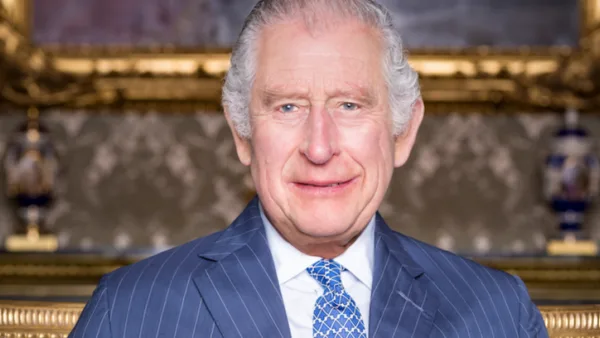
King Charles III: The Monarch Who Issues His Own Passport
At the forefront of the passport-free royals is King Charles III, who, unlike his subjects, does not carry a British passport. Every passport in the United Kingdom is issued in his name—making it logically unnecessary for him to possess one himself.
The Royal Family’s official website confirms: “When travelling overseas, the Sovereign does not require a British passport.” This custom, dating back to Queen Elizabeth II, underscores that the reigning monarch is both the issuer and symbol of national identity.
In practice, Charles’s passport-free travel is facilitated by a special warrant prepared by his Private Secretary, requesting “free passage and assistance” from foreign governments. Under the Vienna Convention on Diplomatic Relations, heads of state like Charles are entitled to absolute immunity at borders.
From his 2023 visit to Germany to his 2024 Commonwealth tour in Australia and Samoa, King Charles III’s passport-free travels showcase not privilege alone, but soft power in diplomacy. Despite criticism over royal expenses, these state visits often serve as platforms for climate advocacy and cultural unity.
Must Read: India eVisa 2025 for Foreigners: Full Guide to Eligibility, Visa Types, and Application Process
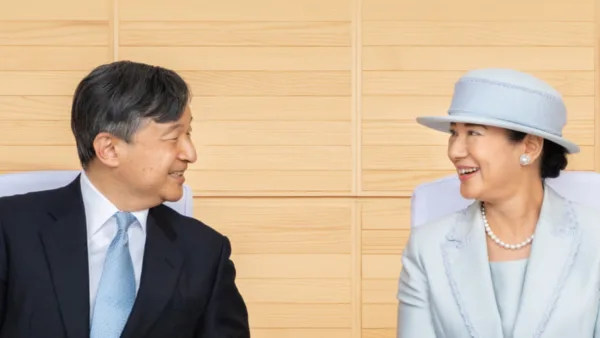
Emperor Naruhito: Japan’s Ancient Sovereign Without a Passport
Emperor Naruhito, Japan’s 126th emperor, continues the ancient tradition of passport-free travel established for the Chrysanthemum Throne. A 1971 decree by Japan’s Ministry of Foreign Affairs declared it “highly inappropriate” to issue a passport to the emperor, recognizing his unique sovereign status.
As part of the passport-free royals, Naruhito travels with only a ministry-issued letter while host nations are informed in advance via diplomatic channels. This practice aligns with global norms for ceremonial heads of state.
Naruhito’s passport-free journeys include his 2023 visit to Britain and upcoming 2025 visit to India. These missions focus on environmental diplomacy, disaster resilience, and cultural exchange—areas reflecting his deep personal interest since his Oxford years.
While Japan’s regular passport ranks among the world’s most powerful, it is the emperor’s passport-free status that truly symbolizes Japan’s reverence for its ancient lineage.
Must Read: India e-Arrival Card 2025 for Foreigners: Step-by-Step Process, Rules, and Key Benefits
Empress Masako: Diplomat Turned Passport-Free Royal Trailblazer
Empress Masako, a Harvard-educated former diplomat, also enjoys passport-free travel—a privilege codified alongside her husband’s exemption. Her transition from diplomat to passport-free royal highlights both her personal evolution and Japan’s commitment to ceremonial equality between emperor and empress.
Fluent in English and French, Masako often represents Japan in discussions on gender equality and education. During her 2024 European tour, she entered France without a passport under full diplomatic protection—demonstrating how the passport-free royals serve as cultural ambassadors as much as ceremonial figures.
Masako’s journey from public scrutiny to global prominence underscores how the role of modern royalty is evolving. Her passport-free diplomacy embodies grace, resilience, and the fusion of tradition with contemporary international engagement.
Must Read: Taj Mahal to Kerala Backwaters: Top 10 Destinations in India for Foreign Travelers
Why These Royals Travel Passport-Free: A Legacy of Sovereignty
The passport-free royals tradition predates modern travel regulations. Unlike the UN Secretary-General, who uses a laissez-passer, or presidents who carry diplomatic passports, sovereign monarchs are recognized as states in themselves.
Their passport-free status reflects the continuity of ancient customs within international law—customs that persist even as nations adopt digital visas and biometric gates.
For King Charles III, Emperor Naruhito, and Empress Masako, crossing borders without passports is not merely ceremonial; it is a reminder that sovereignty itself is the ultimate form of identification.
Tradition in a Technological Age
As global mobility evolves, the passport-free royals remind us that diplomacy is as much about heritage as it is about technology. While AI-driven border systems and digital identities redefine travel, these figures embody the human, historical, and symbolic power of monarchy.
In an era where borders are tightening, the enduring ability of these passport-free royals to move without documentation speaks to the timeless influence of tradition in a rapidly changing world.