
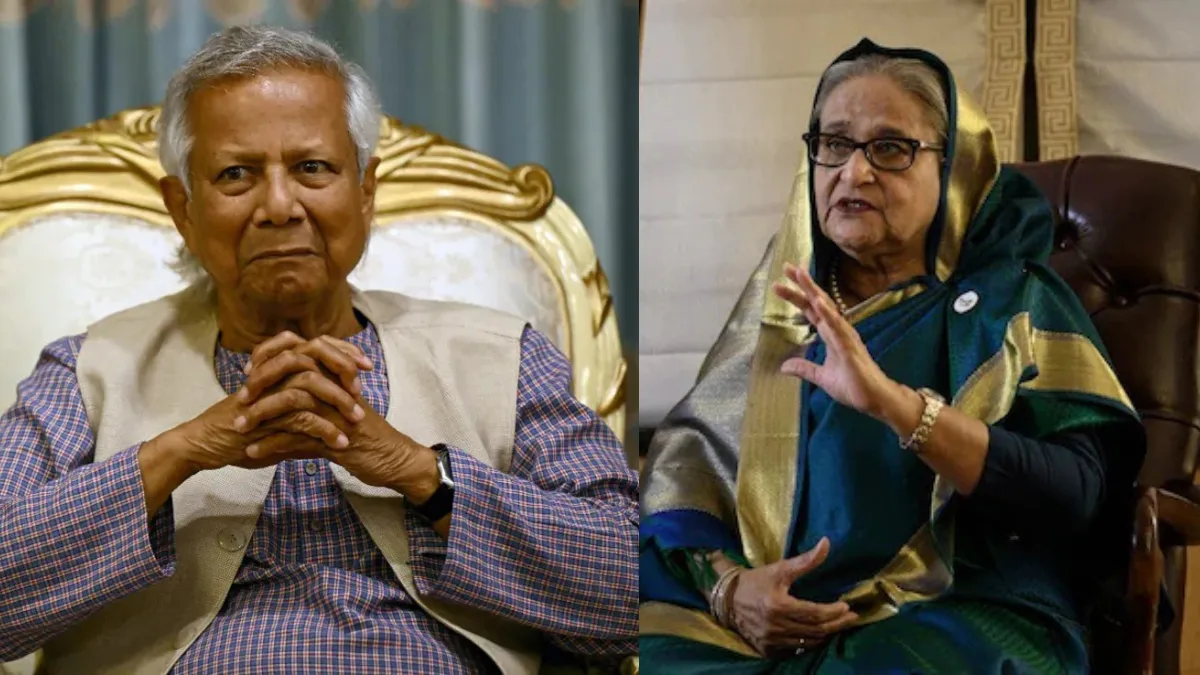
Sheikh Hasina has been sentenced to death in absentia by Bangladesh’s International Crimes Tribunal for crimes against humanity linked to the 2024 student uprising. The landmark ruling reshapes Bangladesh’s political landscape, deepens regional tensions, and raises urgent questions about extradition, justice, and the country’s democratic transition.
TheInterviewTimes.com | November 17, 2025: Bangladesh witnessed one of the most defining legal judgments in its modern history as former Prime Minister Sheikh Hasina was sentenced to death in absentia for crimes against humanity. The verdict, delivered by the International Crimes Tribunal (ICT), marks a watershed moment in the country’s democratic and judicial evolution.
The tribunal held Sheikh Hasina directly responsible for mass atrocities committed during the July–August 2024 student-led uprising that ended her 15-year rule. The 312-page judgment was broadcast live nationwide, reflecting the unprecedented public demand for accountability and transparency.
Sheikh Hasina has been sentenced to death in absentia by Bangladesh’s International Crimes Tribunal for crimes against humanity Live Broadcast
#BREAKING
— Nabila Jamal (@nabilajamal_) November 17, 2025
Sheikh Hasina found guilty by #Bangladesh tribunal
Bangladesh’s tribunal says Sheikh Hasina deserves maximum punishment for crimes against humanity during last year’s uprising
Hasina who fled to Delhi after her government collapsed, has called the charges false,… pic.twitter.com/FZJQBpS9Dy
ICT Declares Sheikh Hasina Guilty on Five Major Charges
The three-judge ICT bench found Sheikh Hasina guilty of murder as a crime against humanity, abduction, enforced disappearance, persecution, and other inhumane acts. The prosecution established that security forces under her direct command killed over 1,400 people, injured 20,000, and detained thousands during the uprising.
The court emphasized that Sheikh Hasina personally authorised lethal force, including the deployment of helicopters, armored vehicles, and live ammunition. The judgment stated that she had “effective control” and “intentionally ignored” repeated warnings about excessive brutality.
Former Home Minister Asaduzzaman Khan Kamal received an identical death sentence. Other top officials were convicted but spared capital punishment after one turned state witness.
Sheikh Hasina in Exile, India Declines Extradition
Sheikh Hasina, now 78, has been living in India since August 5, 2024, when she fled Dhaka following mass protests. Bangladesh has repeatedly requested extradition, but New Delhi maintains that no treaty covers such politically-linked offences.
India’s Ministry of External Affairs said it would “evaluate future requests” per domestic law and bilateral obligations. Diplomatic friction between the two nations is expected to intensify following this verdict.
Must Read: Sanctioning Russia Act of 2025: Trump Backs Tariffs Up to 500% on Nations Trading With Moscow
Evidence, Witnesses, and UN Reports Shape the Historic Trial
The prosecution presented 87 witnesses, including survivors, journalists, doctors, and police personnel. Video evidence, leaked communications, and forensic reports played key roles.
The UN Human Rights Office’s 2024 fact-finding report, which described “systematic and coordinated” violations, was admitted as evidence.
The case, titled Chief Prosecutor vs Sheikh Hasina Wazed and Others, became the tribunal’s most complex trial since its formation.
Dhaka Under Restrictions as Tension Rises Nationwide
Dhaka remained heavily fortified as the verdict was announced. Section 144 was imposed, the army was deployed, and a nationwide shutdown led to sporadic clashes. Police arrested 21 Awami League leaders and recovered petrol bombs in Motijheel.
The interim government, led by Nobel laureate Muhammad Yunus, described the verdict as a “historic step toward justice.”
Legal experts say Sheikh Hasina cannot appeal the ruling unless she appears in person or authorizes counsel. This makes the verdict largely symbolic unless India agrees to extradition.
Political Implications: Bangladesh Approaches 2026 Elections in Deep Uncertainty
The judgment against Sheikh Hasina transforms Bangladesh’s political future. The Awami League is banned from organized political activity. Its leadership remains in exile or hiding. The country approaches the February 2026 elections amid heightened polarization.
Analysts predict that the verdict will reshape alliances, push political debates into sharper confrontation, and redefine public expectations for governance and accountability.
For many citizens, however, the ruling closes a painful chapter in the nation’s history.
Key Takeaways
- Sheikh Hasina has been sentenced to death in absentia by Bangladesh’s ICT for crimes against humanity.
- The tribunal found her responsible for 1,400 deaths and widespread violations during the 2024 protests.
- She remains in exile in India, and extradition appears unlikely at present.
- Bangladesh faces deep political uncertainty ahead of the 2026 elections.
- The verdict marks the most significant legal judgment in Bangladesh since the creation of the ICT.