
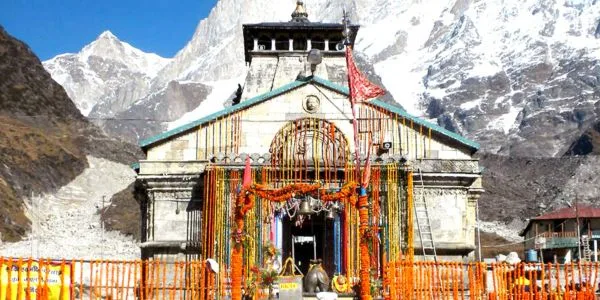
Explore the rich tapestry of spiritual and cultural tourism in India — from Varanasi’s ghats to the temples of Tamil Nadu and the festivals of Rajasthan. Discover why India is a top global destination for heritage and faith-based travel.
Tourism in India: Where Soul Meets Soil
India, a land of timeless traditions and deep spirituality, has emerged as a global hub for spiritual and cultural tourism. From the snow-capped shrines of Kedarnath to the serene ghats of Varanasi, and from the dance festivals of Tamil Nadu to the colorful fairs of Rajasthan, India offers a transformative experience for pilgrims, culture enthusiasts, and global tourists alike.
In 2025, this sector is poised to contribute significantly to India’s projected INR 22 trillion tourism economy, offering not just economic growth but also a resurgence of India’s civilizational legacy.

India’s Spiritual Tourism: A Pilgrim’s Paradise
1. Major Pilgrimage Circuits:
- Char Dham Yatra: Covering Yamunotri, Gangotri, Kedarnath, and Badrinath, this sacred route attracts lakhs of Hindu devotees annually.
- Kashi (Varanasi): Known as the oldest living city, Varanasi is the beating heart of Hindu spirituality.
- Bodh Gaya: The site where Lord Buddha attained enlightenment, a magnet for Buddhists across Southeast Asia.
- Ajmer Sharif Dargah: Revered by followers of all faiths, this Sufi shrine symbolizes India’s syncretic spirit.
- Velankanni Church (Tamil Nadu) and Golden Temple (Amritsar) also see millions of faithful visitors.
2. Yoga and Meditation Tourism:
- Rishikesh and Haridwar have become global wellness hotspots, especially post the global yoga boom.
- Retreats in Kerala and the Himalayas offer Ayurvedic healing, silence programs, and ashram life for seekers from the West.

Cultural Tourism: Living Heritage in Motion
1. UNESCO World Heritage Sites:
India boasts 42 UNESCO sites, from Khajuraho’s erotic sculptures to Hampi’s Vijayanagara ruins, attracting historians and culture buffs alike.
2. Classical Arts and Dance Festivals:
- Konark Dance Festival (Odisha), Natyanjali (Chidambaram), and Ellora Festival (Aurangabad) showcase India’s classical art forms under the open sky.
- These events blend travel with performance, drawing art lovers from around the world.
3. Fairs and Festivals:
- Kumbh Mela: The largest religious gathering on Earth, recognized by UNESCO as intangible heritage.
- Pushkar Camel Fair, Nagaur Cattle Fair, and Hornbill Festival (Nagaland) display the cultural vibrance of India’s heartland and Northeast.
4. Traditional Crafts and Heritage Walks:
- Cities like Jaipur, Lucknow, Kanchipuram, and Bhuj are promoting textile trails, local cuisine tours, and architectural walks to revive fading traditions.

Government Push: From PRASAD to Dekho Apna Desh
The Indian government has recognized spiritual and cultural tourism as key to its soft power diplomacy and rural development:
- PRASAD Scheme: Focuses on developing pilgrimage destinations with better amenities.
- Swadesh Darshan 2.0: Promotes theme-based circuits like Buddhist, Coastal, Tribal, and Heritage circuits.
- Dekho Apna Desh Campaign: Encourages Indians to explore the diversity within the country, boosting domestic tourism.
Tourism in India: Economic and Social Impact
- In 2024-25, spiritual and cultural tourism alone is expected to generate over ₹3.8 trillion in revenue.
- It supports craftspeople, temple workers, tour guides, homestay owners, and other informal sector workers.
- Revival of lesser-known sites (like Shakti Peeths, Jain Teerths, or Ziyarat routes) is bridging regional economic gaps.
Tourism in India: Challenges and Opportunities
| Challenges | Opportunities |
| Overcrowding at peak sites | Promoting alternative pilgrimage hubs |
| Lack of hygiene/infrastructure | Smart tourism tech and green corridors |
| Cultural commodification risks | Community-led tourism and training |
| Language and signage barriers | Digital guides and multilingual apps |
Must Read: The Economic Powerhouse: How Tourism is Fueling India’s Growth
Global Footprint and Diaspora Interest
Spiritual tourism is also helping India reconnect with its global diaspora:
- NRIs and PIOs are increasingly visiting ancestral temples and attending spiritual discourses in India.
- International tourists from Japan, Thailand, Sri Lanka, and Europe are seeking deeper cultural experiences beyond the Taj Mahal.
Conclusion: India’s Spiritual Soul is its Soft Power
India’s spiritual and cultural richness is not just a travel offering — it’s a civilizational export. As the world grapples with anxiety, burnout, and identity crises, India provides ancient wisdom, living traditions, and soulful experiences that money alone can’t buy.
With strategic promotion, sustainable development, and digital integration, India’s spiritual and cultural tourism can become a trillion-rupee engine for both economic uplift and global influence.