

Why did Trump and Putin choose Alaska for crucial talks? Explore Alaska’s history, facts, culture, and its vital role as a U.S. strategic hub in global politics.
When world leaders like U.S. President Donald Trump and Russian President Vladimir Putin choose Alaska for high-stakes talks on the Ukraine–Russia war, the choice is far from random. Alaska is not just a scenic wilderness; it is a land rich in history, strategic importance, natural resources, and cultural diversity. Known as “America’s Last Frontier,” Alaska holds a unique place in both U.S. and global affairs.
Must Read: BRICS: A Global Force Facing U.S. Pressure and Shifting Ties with India and Brazil
Alaska: Where America Touches the Arctic
Alaska is the largest U.S. state by area, covering more than 1.7 million square kilometers—almost one-fifth of the country’s total landmass. It is located in the far northwest of North America, bordered by the Arctic Ocean to the north, the Pacific Ocean to the south, Canada’s Yukon and British Columbia to the east, and separated from Russia’s Chukotka region by just 88 kilometers of the Bering Strait.
Despite its massive size, Alaska has a relatively small population of around 730,000 people, making it one of the least densely populated regions in the United States. The state capital is Juneau, but its largest city and main economic hub is Anchorage.
A Brief History: From Russian Territory to U.S. State
- Indigenous Heritage: For thousands of years before European contact, Alaska was home to Indigenous peoples such as the Inuit, Aleut, Tlingit, Haida, and Athabaskan communities, who developed rich traditions adapted to the harsh northern environment.
- Russian Alaska: In the 18th century, Russian explorers and traders established settlements, primarily for the fur trade.
- Purchase by the United States: In 1867, the U.S. bought Alaska from Russia for $7.2 million—a deal critics at the time mocked as “Seward’s Folly,” after Secretary of State William H. Seward.
- Statehood: Alaska became the 49th U.S. state on January 3, 1959, shortly before Hawaii joined as the 50th.
Climate and Natural Environment
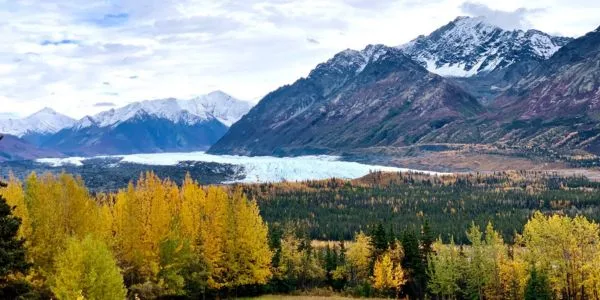
Alaska’s climate ranges from Arctic tundra in the far north to maritime temperate in the southeast. Winters are long and dark, while summers can bring up to 20 hours of daylight in the northern regions. The state is famous for natural wonders like:
- Mount Denali – North America’s highest peak at 20,310 feet.
- Glacier Bay – A UNESCO World Heritage Site.
- Northern Lights (Aurora Borealis) – Visible in winter months.
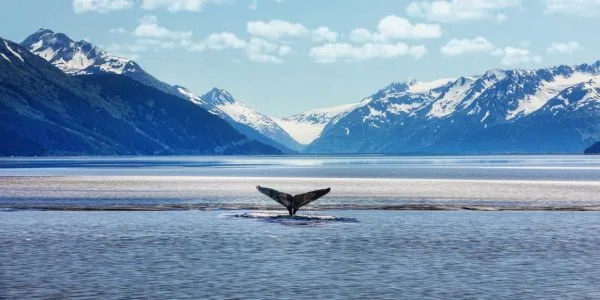
Wildlife is abundant, with grizzly bears, moose, bald eagles, seals, and whales attracting tourists and researchers alike.
Economy: Oil, Seafood, and Tourism
Alaska’s economy is powered by three main sectors:
- Oil and Gas – The Prudhoe Bay oil fields and the Trans-Alaska Pipeline are crucial to U.S. energy supply.
- Fishing and Seafood – Alaska is a leading producer of salmon, crab, and halibut.
- Tourism – Cruise ships, adventure tours, and wildlife expeditions draw over two million visitors annually.
Mining (gold, zinc), forestry, and Native-owned corporations also play key roles.
Strategic Importance
Alaska’s location makes it a geopolitical hotspot. Its proximity to Russia means it has historically been a key U.S. military base—especially during the Cold War and now amid rising Arctic tensions. It hosts important radar stations, air bases, and coast guard facilities, making it central to U.S. defense and Arctic navigation.
The Bering Strait, separating Alaska and Russia, is also becoming more significant as melting Arctic ice opens new shipping routes.
Culture and People
Alaska’s culture is a blend of Indigenous traditions, Russian heritage, and frontier American spirit. Indigenous languages, arts, and festivals remain vibrant. Rural “bush” communities often rely on subsistence hunting and fishing, while urban centers like Anchorage have modern infrastructure and diverse populations.
Life in Alaska is shaped by its remoteness—many areas are accessible only by air or boat. This isolation fosters a strong sense of community, self-reliance, and respect for nature.
Must Read: Zelensky Rejects Territorial Swaps Ahead of Trump-Putin Summit
Tourism Highlights
If you ever visit Alaska, don’t miss:
- Denali National Park – For mountain views and wildlife.
- Inside Passage – Scenic coastal cruises.
- Katmai National Park – Famous for brown bear watching.
- Kenai Fjords – Glaciers meeting the ocean.
- Iditarod Trail Sled Dog Race – Celebrating Alaska’s sledding heritage.
Challenges Alaska Faces
- Climate Change – Melting permafrost, shrinking glaciers, and changing wildlife patterns.
- High Cost of Living – Remote location raises prices for goods and services.
- Balancing Development with Environmental Protection – Oil drilling debates are ongoing.
Why Alaska Matters for World Politics
For global diplomacy, Alaska offers a neutral yet symbolic location. It bridges East and West—geographically close to Russia but firmly within U.S. territory. Hosting talks here sends a message of strategic openness, Arctic awareness, and respect for both history and geography.
As Trump and Putin meet in Alaska, they are not just stepping into a state of the U.S.—they are stepping into a crossroads of continents, cultures, and global interests.