
New Delhi, January 10, 2026, 03:50 p.m. IST
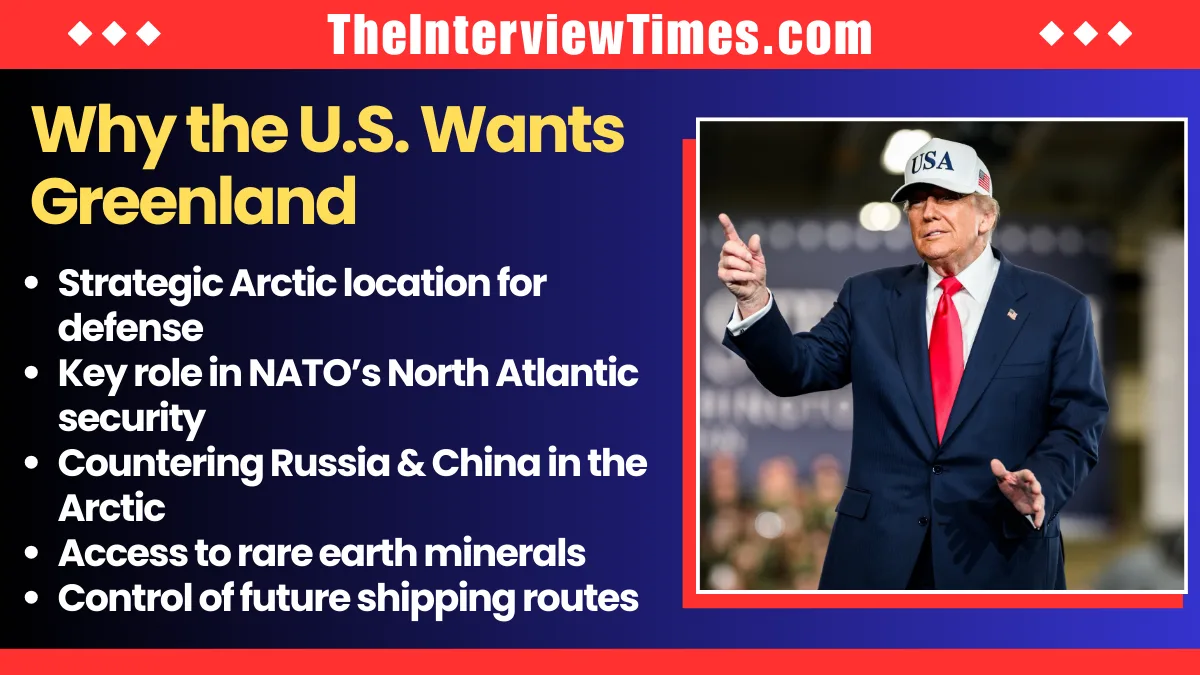
Greenland sits at the heart of the Arctic and the North Atlantic where military routes, early‑warning systems, and future shipping lanes meet. Recent U.S. interest, including talk of purchase, frames Greenland as a “national security priority,” driven by its location, mineral resources, and existing American military infrastructure on the island. Washington argues that control over Greenland would strengthen U.S. and NATO security, but European allies and Greenland’s own leaders reject the idea, calling it a breach of sovereignty and international law.
Greenland’s History and Political Status
Greenland has been home to Inuit peoples for thousands of years. It entered the Danish realm in the 18th century and today is an autonomous territory within the Kingdom of Denmark, with self‑rule over domestic affairs and Copenhagen retaining control of defence and foreign policy.
Since 1979, Greenland has steadily expanded autonomy and many in its society support eventual independence, though the path is gradual and tied to economic capacity and international recognition.
Members of the United States Senate and the House of Representatives,
— Orla Joelsen (@OJoelsen) January 10, 2026
I am a citizen of Greenland 🇬🇱
You must understand the gravity of the situation.
The people of Greenland are not for sale. The citizens of Greenland are not slaves. Slavery was abolished in 1865, and the… pic.twitter.com/jUzcuXPCta
Geography and Strategic Location
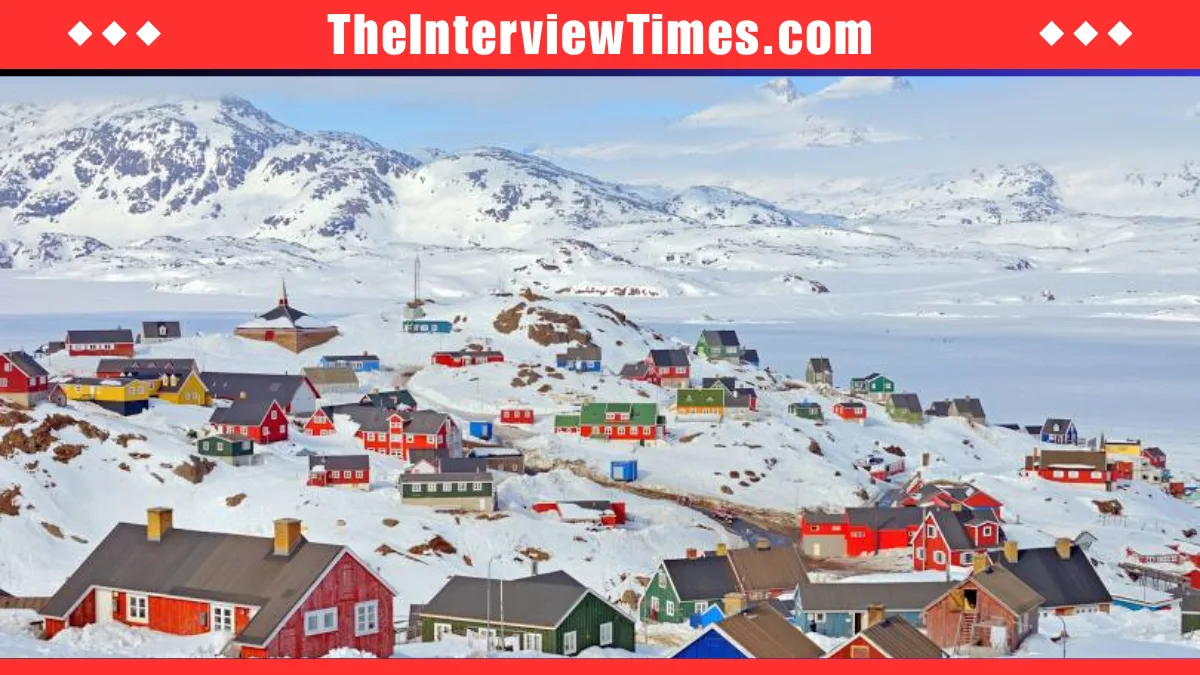
Greenland is the world’s largest island, about 80% covered by ice, bridging North America and Europe. Its position anchors the Arctic–North Atlantic system and sits near the GIUK gap (Greenland–Iceland–UK), a critical maritime chokepoint for submarine and air routes.
This geography makes Greenland central to early‑warning radar, space tracking, and North Atlantic security planning, key elements of NATO deterrence and U.S. defence posture. As Arctic ice retreats, new shipping routes and resource access increase the island’s strategic weight, intensifying great‑power competition.
Greenland’s Economy and Resources
Greenland’s economy is small and heavily reliant on fishing, public transfers, and limited tourism. But the island is believed to hold significant mineral deposits, including rare earths, which are vital for modern technologies. U.S. interest is partly tied to securing supply chains and reducing dependence on rivals for critical minerals, alongside potential energy and infrastructure projects. While resource development could support Greenlandic aspirations for greater self‑reliance, it also raises environmental and sovereignty concerns, especially if driven by external pressure.
Must Read: Top 10 Travel Destinations in India to Explore in 2026
U.S. Motives: Security, Minerals, and Arctic Power
Security positioning: The U.S. already operates the Pituffik Space Base (formerly Thule), a cornerstone of missile warning and space surveillance. Expanding control would tighten U.S. command over Arctic defence and North Atlantic approaches.
Mineral access: Rare earths and other strategic minerals make Greenland attractive for supply chain resilience and industrial policy.
Arctic competition: Russia’s military presence and China’s economic ambitions in the Arctic push Washington to secure leverage points, Greenland is one of the most important.
Shipping and logistics: Future Arctic routes could shorten transcontinental trade; controlling infrastructure and ports would shape global maritime flows.
Historically, the U.S. has tried to acquire Greenland multiple times after buying Alaska in the 1860s, again under President Taft, and with a formal offer after World War II, reflecting a long‑standing view of the island as a strategic prize.

Denmark, EU, and NATO Perspectives
Denmark: Copenhagen has rejected any U.S. takeover, warning that an attack or annexation would mean “the end of NATO.” Denmark insists Greenland’s status is a matter for Greenland and the Kingdom of Denmark alone, and has rallied European support to deter coercion.
European Union: European leaders have issued a unified statement backing Denmark, affirming Greenland’s sovereignty and elevating Arctic security as a European priority. They signal that territorial annexation within the alliance is unacceptable and pledge collective action to keep the Arctic stable.
NATO: The alliance faces a serious internal crisis if a member attempts unilateral annexation of another member’s territory. Greenland’s U.S.‑run systems are central to NATO deterrence, but the legitimacy of alliance norms depends on respect for sovereignty. European analysts warn that U.S. intentions threaten NATO’s future, even as they note Europe retains leverage to respond.

Geopolitics: Great‑Power Competition in the High North
Greenland has become a frontline in great‑power competition. The U.S. frames acquisition as necessary to counter Russia and China in the Arctic, while Europe counters that security must be achieved through alliance cohesion and respect for international law. The island’s location within the GIUK gap and its role in early‑warning architectures make it central to North Atlantic stability, any disruption would ripple across deterrence, maritime control, and space surveillance. At the same time, Greenland’s own political trajectory greater autonomy and interest in independence complicates external plans. Attempts to bypass Copenhagen or pressure Nuuk risk backfiring, hardening European unity and undermining U.S. credibility.
Legal and Diplomatic Realities
Under the UN Charter, acquisition by force would violate sovereignty. Even a purchase would require consent from Denmark and Greenland, and likely broader European acceptance. Recent statements from European capitals and Greenlandic leaders show no appetite for transfer; instead, they emphasize self‑determination and alliance norms. Diplomatically, the U.S. has floated discussions and signalled preference for purchase over force, but Europe’s red lines and the political costs inside NATO make any unilateral move untenable.
Must Read:
Yemen War Explained: Who’s Fighting, Why It Started, and What’s Next
China-Taiwan Conflict Explained: Historical Roots and Current UN Escalation
The Indian Lens: What Matters for Us
For India, Greenland’s story is a window into the future of the Arctic where climate change, shipping routes, and critical minerals will reshape global trade and security. A stable Arctic benefits energy markets, supply chains, and maritime safety.
Any fracture in NATO or escalation over Greenland would inject volatility into transatlantic relations, with knock‑on effects for global governance and economic stability. India’s interests align with a rules‑based approach: respect for sovereignty, cooperative Arctic governance, and diversified access to critical minerals through transparent partnerships rather than coercion.

Bottom Line
The U.S. wants Greenland for hard power reasons, location, military infrastructure, minerals, and Arctic leverage. But Denmark, the EU, and NATO draw a firm line around sovereignty and alliance norms. Greenland’s own path toward greater autonomy adds another layer, external pressure risks strengthening European unity and accelerating Nuuk’s desire to control its future. In geopolitics, geography sets the stage but legitimacy, law, and alliances decide the outcome.
