

TheInterviewTimes.com | March 13, 2026 | 10:20 PM IST | New Delhi
Indian Folk Dances reflect India’s vibrant culture and traditions. Explore famous dances like Bhangra, Garba, Bihu and Chhau across different regions.
Introduction
India’s cultural diversity is vividly expressed through its Indian Folk Dances, which capture the rhythms of everyday life, celebrations, and spiritual traditions. Unlike classical dance forms that follow codified rules, folk dances grow naturally from the lives of local communities. They are performed during festivals, harvest seasons, weddings, and social gatherings.
From the energetic beats of Punjab to the graceful bamboo rhythms of the northeast, Indian folk dances offer a fascinating glimpse into the traditions that shape the country’s cultural identity.
What Are Indian Folk Dances?
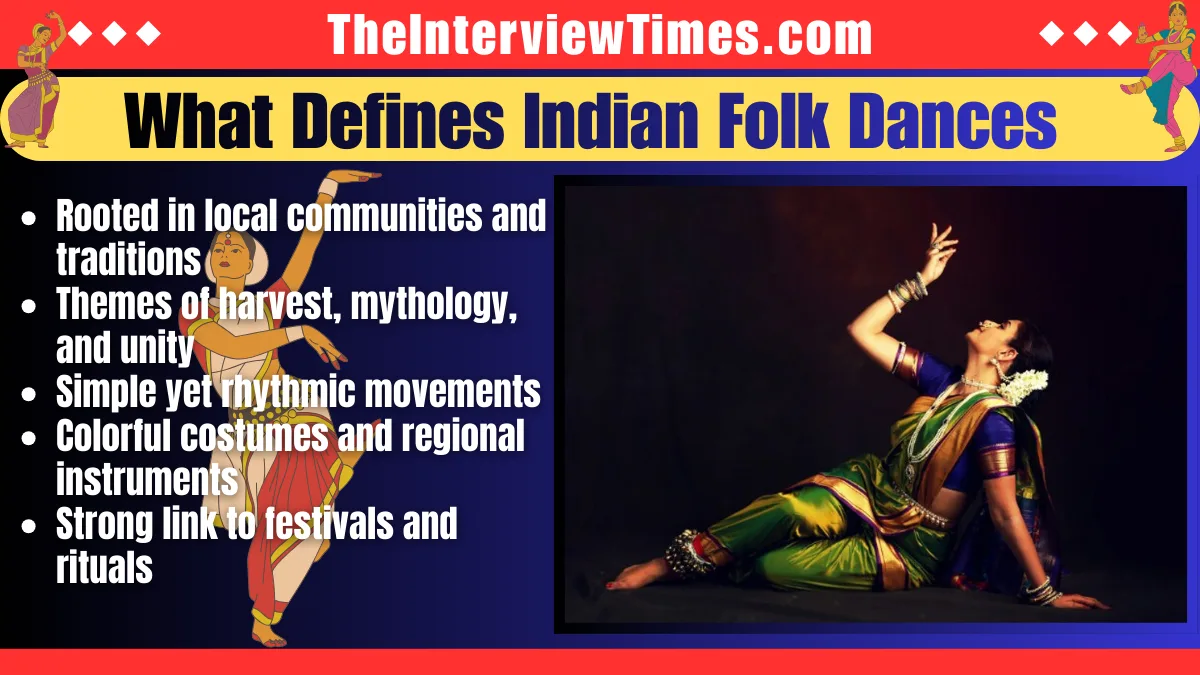
Indian Folk Dances are traditional dance forms created and performed by local communities to celebrate cultural occasions. These dances often reflect themes such as harvest celebrations, mythology, nature, and social unity.
Each dance form is deeply connected with the history and lifestyle of the people who perform it. Movements, costumes, and musical instruments vary widely across regions.
Key characteristics include:
- Community participation
- Simple yet rhythmic movements
- Traditional costumes and instruments
- Strong connection with festivals and rituals
Major Types of Indian Folk Dances
Harvest and Agricultural Dances
Many folk dances originated as celebrations of successful harvests and agricultural prosperity.
Examples include:
- Bhangra from Punjab
- Bihu Dance from Assam
- Gaur Dance from Madhya Pradesh
These dances express joy and gratitude toward nature and the farming cycle.
Festival and Ritual Dances
Some dances are closely linked to religious festivals and rituals.
Examples include:
- Garba and Dandiya Raas during Navratri in Gujarat
- Padayani in Kerala temple festivals
- Karagattam in Tamil Nadu village celebrations
These dances often involve devotional songs and symbolic gestures.
Tribal and Community Dances
Many tribal communities preserve ancient dance traditions that represent their history and mythology.
Examples include:
- Cheraw (Bamboo Dance) from Mizoram
- Hojagiri from Tripura
- Chang Lo from Nagaland
These dances are often performed during community gatherings and cultural festivals.
Costumes and Musical Instruments
Traditional costumes play an important role in Indian Folk Dances. They are usually colorful and decorated with regional ornaments.
For example:
- Bhangra dancers wear vibrant turbans and embroidered outfits.
- Garba dancers wear mirror-work dresses and jewelry.
- Bihu performers wear silk garments unique to Assam.
Music is equally important. Common instruments include:
- Dhol (drum)
- Flute
- Shehnai
- Manjira (cymbals)
- Traditional tribal percussion instruments
These instruments create the energetic rhythms that guide the dance movements.
Must Read: Kerala Tourist Destinations 2025–2026: The Ultimate Guide for Foreign Travelers
Why Indian Folk Dances Matter Today
In the modern era, Indian Folk Dances are not only performed in villages but also showcased on national and international stages. Cultural festivals, school programs, and tourism events play a key role in keeping these traditions alive.
Folk dances also help younger generations understand their heritage and strengthen cultural identity.
Many universities and cultural organizations are now working to document and preserve these traditional art forms before they fade away.
Regional Diversity of Indian Folk Dances
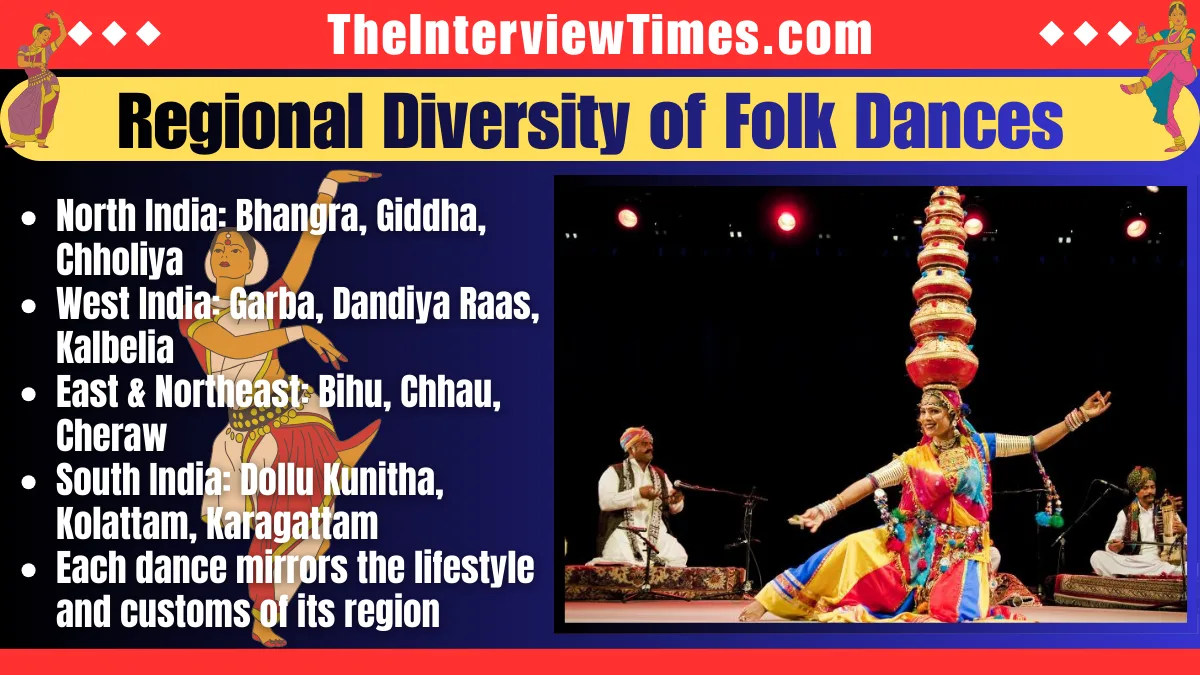
India’s vast geography has produced a remarkable variety of dance traditions.
North India
- Bhangra
- Giddha
- Chholiya
West India
- Garba
- Dandiya Raas
- Kalbelia
East and Northeast India
- Bihu
- Chhau
- Cheraw
South India
- Dollu Kunitha
- Kolattam
- Karagattam
Each dance form reflects the language, customs, and lifestyle of its region.
Must Read: India e-Arrival Card and eVisa 2026: Full Digital Entry Guide for Foreign Travellers
The Global Popularity of Indian Folk Dances
In recent decades, Indian Folk Dances have gained global recognition. Diaspora communities and international cultural festivals have helped bring these traditional dances to audiences worldwide.
Punjabi Bhangra music, for example, has become a global phenomenon, blending traditional beats with modern pop and hip-hop influences.
Similarly, Garba and Dandiya celebrations during Navratri now attract participants in cities across Europe, North America, and the Middle East.
Must Read: 50 Indian Folk Dances Every Culture Lover Should Know
Conclusion
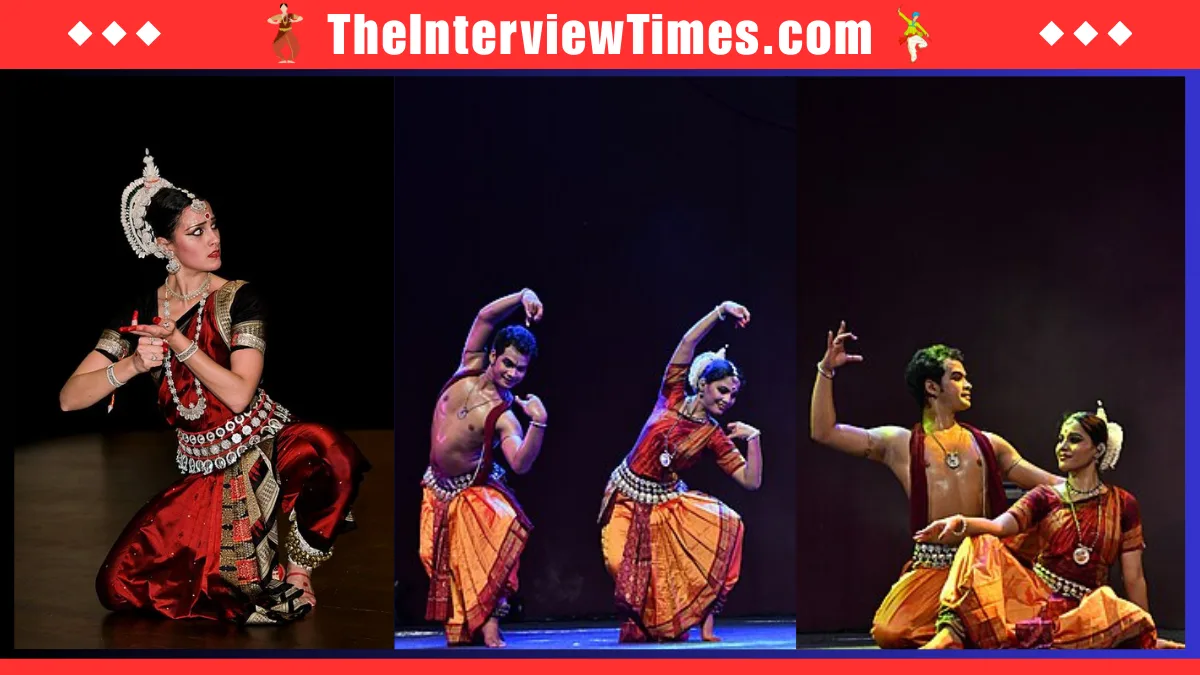
Indian Folk Dances are more than just artistic performances. They are living expressions of community life, history, and cultural identity. Each dance tells a story about the people who created it and the traditions they continue to celebrate.
As India modernizes, preserving these vibrant traditions becomes increasingly important. Through festivals, education, and cultural promotion, Indian Folk Dances continue to inspire new generations and keep the rhythms of tradition alive.
Must Read: Exploring Vrindavan: Krishna’s Sacred Land of Eternal Devotion
