
Jan Vishwas Bill 2025 proposes to replace imprisonment with monetary penalties for minor offenses across 16 central laws, aiming to boost ease of doing business in India.
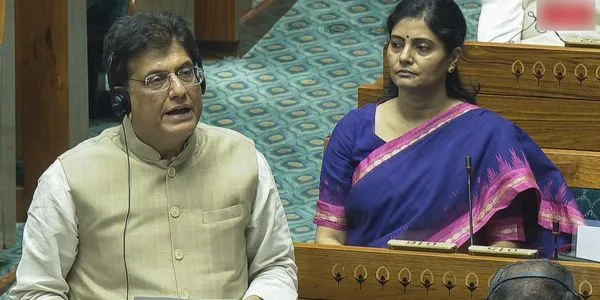
New Delhi, August 18, 2025 – In a significant move to boost ease of doing business and promote a more business-friendly environment, the Indian government introduced the Jan Vishwas Bill 2025 in the Lok Sabha on Monday. Spearheaded by Commerce and Industry Minister Piyush Goyal, the bill proposes to decriminalize 288 provisions related to minor offenses across various laws, marking a transformative step toward simplifying India’s regulatory framework. This legislation builds on the foundation laid by the Jan Vishwas (Amendment of Provisions) Act, 2023, which decriminalized 183 provisions across 42 central Acts, and is poised to further streamline compliance for businesses and citizens alike.
Key Objectives of the Jan Vishwas Bill 2025
The Jan Vishwas Bill 2025, aims to foster an ecosystem of trust and ease by replacing imprisonment for minor, technical, or procedural defaults with alternatives such as monetary penalties, warnings, or administrative measures. The bill amends 355 provisions across 16 central Acts administered by 10 ministries, with a specific focus on:
- Decriminalizing 288 provisions to enhance ease of doing business by reducing the fear of criminal penalties for minor infractions.
- Amending 67 provisions to promote ease of living by simplifying regulatory requirements for citizens.
By rationalizing penalties and promoting administrative resolutions, the bill seeks to reduce the burden on the judiciary, unclog courts, and create a more efficient compliance system. This aligns with the government’s broader vision of fostering economic growth while ensuring a balanced approach to governance.
Must Read: Explained: Why India Warned the Supreme Court Against ‘Constitutional Disorder’ in Bill Assent Case
Key Features of the Jan Vishwas Bill 2025
The Jan Vishwas Bill 2025, introduces several innovative measures to streamline compliance and reduce punitive actions for minor offenses. Some of the standout features include:
- Advisories and Warnings for First-Time Offenders:
- In 76 cases across 10 laws, first-time offenders will receive advisories or warnings instead of immediate penalties. This approach emphasizes education and compliance over punishment, particularly for minor infractions.
- Rationalization of Penalties:
- The bill proposes a structured penalty system, including a 10% automatic increase in fines every three years to account for inflation and ensure penalties remain relevant.
- Penalties are tailored to the severity of the offense, replacing imprisonment with monetary fines for minor violations in most cases.
- Administrative Adjudication:
- Designated officers will be empowered to impose penalties administratively, reducing the need for lengthy judicial processes. This mechanism aims to expedite resolutions and ease the burden on courts.
- Specific Relaxations in Key Laws:
- Motor Vehicles Act, 1988: The bill introduces state-wide vehicle registration, allowing owners to register vehicles anywhere within their state, and provides a six-month grace period for renewing expired driving licenses.
- New Delhi Municipal Council Act, 1994: Property tax assessments will shift to a Unit Area Method, simplifying the process and making it more transparent for residents.
These provisions reflect the government’s intent to balance regulatory oversight with practical, business-friendly reforms.
Jan Vishwas Bill 2025: Legislative Scope
The Jan Vishwas Bill 2025, amends laws spanning multiple sectors, including commerce, transport, urban development, and public administration. The 16 central Acts targeted for amendment include:
- Motor Vehicles Act, 1988
- New Delhi Municipal Council Act, 1994
- Other key legislation administered by ministries such as Finance, Road Transport and Highways, and Environment.
By addressing 355 provisions, the bill takes a comprehensive approach to reforming outdated or overly punitive regulations, ensuring they align with modern economic and social needs.
Must Read: Uranus Hidden Heat: Scientists Uncover the Ice Giant’s Secret Warmth
Jan Vishwas Bill 2025: Parliamentary Process
Introduced on August 18, 2025, the Jan Vishwas Bill 2025, was referred to a Select Committee of the Lok Sabha for further scrutiny. The committee is tasked with reviewing the bill and submitting its report by the first day of the next parliamentary session. This step underscores the government’s commitment to ensuring thorough deliberation before the bill is enacted.
Building on the Jan Vishwas Act, 2023
The 2025 bill is a continuation of the reforms initiated under the Jan Vishwas (Amendment of Provisions) Act, 2023, which decriminalized 183 provisions across 42 central Acts. The 2023 Act was a landmark in reducing compliance burdens, particularly for small and medium enterprises, by eliminating outdated provisions and replacing criminal penalties with civil fines. The 2025 bill expands this framework, addressing a broader range of laws and incorporating feedback from stakeholders to refine the decriminalization process.
Impact on Business and Citizens
The decriminalization of 288 provisions is expected to have a far-reaching impact on India’s business ecosystem. By removing the threat of imprisonment for minor violations, the bill aims to:
- Encourage entrepreneurship: Businesses, especially startups and MSMEs, will benefit from a less punitive regulatory environment, fostering innovation and growth.
- Reduce judicial backlog: Administrative adjudication and rationalized penalties will help unclog courts, allowing faster resolution of disputes.
- Enhance ease of living: Simplified regulations, such as state-wide vehicle registration and transparent property tax systems, will make compliance easier for citizens.
Industry leaders have welcomed the bill, noting its potential to create a more predictable and transparent regulatory framework. The shift toward warnings and fines for first-time offenders is particularly seen as a progressive step to support compliance without stifling economic activity.
Government’s Vision
Speaking on the bill, Commerce and Industry Minister Piyush Goyal emphasized its role in promoting a “trust-based governance model.” He highlighted that the legislation reflects the government’s commitment to creating an enabling environment for businesses while safeguarding the interests of citizens. The bill aligns with Prime Minister Narendra Modi’s vision of Minimum Government, Maximum Governance, aiming to reduce regulatory overreach while ensuring accountability.
Conclusion
The Jan Vishwas Bill 2025, represents a bold step toward modernizing India’s regulatory landscape. By decriminalizing 288 provisions and simplifying 67 others, the bill seeks to create a more conducive environment for businesses and citizens alike. As it undergoes scrutiny by the Lok Sabha’s Select Committee, stakeholders across sectors will be watching closely to see how this legislation shapes India’s economic and social future.
For more updates on this developing story, stay tuned to The Interview Times.