
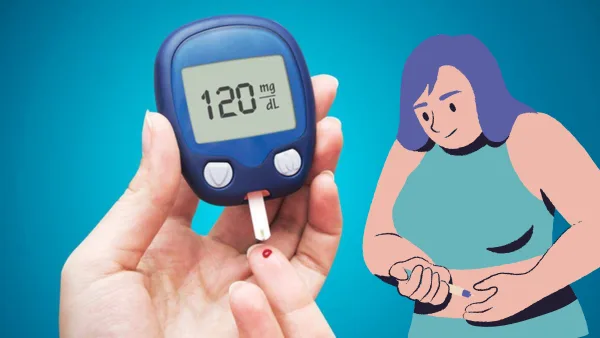
New research shows Reversing Prediabetes is achievable without weight loss, reducing diabetes risk by 71% through glucose normalization and lifestyle changes.
Breakthrough in Reversing Prediabetes
A groundbreaking study published in Nature Medicine has revealed that Reversing Prediabetes is possible even without weight loss, provided blood sugar levels return to normal. This discovery could reshape diabetes prevention guidelines globally, especially for individuals struggling to shed extra kilos despite adopting healthy lifestyles.
The study, conducted under the Prediabetes Lifestyle Intervention Study (PLIS) across eight clinical centers in Germany, offers new evidence that focusing on glucose normalization rather than the scale can yield lasting benefits.
The Study Behind Reversing Prediabetes
Researchers analyzed data from 1,110 participants with prediabetes who completed a one-year lifestyle program emphasizing balanced diet and regular exercise. The goal was Reversing Prediabetes through improved metabolic health rather than weight loss alone.
The intervention included:
- A fiber-rich, low-refined-carb diet
- 150 minutes of moderate-intensity aerobic activity per week
- Resistance training twice a week
Prediabetes remission was defined as fasting plasma glucose below 100 mg/dL, 2-hour glucose below 140 mg/dL, and HbA1c under 5.7%, all sustained without medication.
After one year, 22% of participants achieved full remission. Remarkably, some achieved Reversing Prediabetes without any significant weight change — averaging just −0.3 kg difference.
Must Read: Diabetes Explained: Everything You Need to Know in 2025
Long-Term Protection Against Type 2 Diabetes
Over a median follow-up of 3.2 years, individuals who managed Reversing Prediabetes without weight loss experienced a 71% lower risk of developing type 2 diabetes. This result was nearly identical to those who reversed it with weight loss, confirming that glucose normalization itself plays a powerful role in preventing disease progression.
In contrast, participants who lost weight but did not normalize glucose levels saw no significant protection from diabetes. The message is clear: Reversing Prediabetes depends on improving metabolic function, not just cutting calories.
Metabolic Clues Behind Reversing Prediabetes
Advanced imaging using MRI and spectroscopy revealed that successful Reversing Prediabetes was linked to reductions in visceral fat—the harmful fat stored around internal organs—despite stable overall body weight. These participants also demonstrated improved insulin sensitivity and elevated fasting levels of GLP-1 (glucagon-like peptide-1), a hormone known to enhance insulin secretion.
These metabolic shifts suggest that Reversing Prediabetes can occur through internal hormonal and cellular changes independent of total body fat reduction.
Lead author Dr. Andreas F. H. Pfeiffer of the German Center for Diabetes Research and Charite – Universitatsmedizin Berlin stated:
“Our findings show that the ultimate goal in prediabetes management should be normalizing glucose metabolism, not necessarily weight reduction.”
Implications for Diabetes Prevention Guidelines
Co-author Dr. Robert Wagner from the University of Tübingen noted that this research challenges current global guidelines. The American Diabetes Association (ADA) recommends a 5–7% body weight reduction for managing prediabetes. However, this study on Reversing Prediabetes indicates that focusing purely on weight may overlook key metabolic benefits of diet and activity.
The findings support a more personalized approach—where clinicians track insulin response, glucose tolerance, and fat distribution, not just BMI.
Global Context and Future Research
This new evidence complements earlier results from the U.S. Diabetes Prevention Program (DPP), which found a 58% reduction in diabetes risk from lifestyle interventions, even in cases of minimal weight loss. Together, these results strengthen the case for redefining clinical priorities toward Reversing Prediabetes through metabolic recovery.
While the PLIS study population was predominantly White and European, ongoing research aims to test similar interventions in Asian and African populations, where diabetes risk profiles differ significantly. Expanding diversity in trials will be crucial for understanding the universal potential of Reversing Prediabetes without weight loss.
Must Read: Kidneys Under Pressure: Understanding Chronic Kidney Disease and Prevention Tips
The Science of Reversing Prediabetes
According to the researchers, Reversing Prediabetes may hinge on three primary factors:
- Reducing visceral fat through moderate exercise and high-fiber diets.
- Enhancing insulin sensitivity by managing stress, sleep, and daily activity.
- Stimulating GLP-1 secretion via balanced nutrition and timed eating.
These steps may lead to glucose normalization even when body weight remains unchanged. Thus, lifestyle consistency matters more than drastic calorie restrictions.
A Shift in Public Health Perspective
Experts believe this discovery could drive a paradigm shift in diabetes prevention, especially for those unable to lose weight due to genetics, hormonal imbalance, or other factors. Health campaigns might soon focus on Reversing Prediabetes by targeting blood sugar and visceral fat management rather than weight loss goals alone.
Must Read: Gut Health and Immunity: How Your Digestive System Protects You from Diseases
Conclusion: Reversing Prediabetes Is About Metabolism, Not the Scale
The latest Nature Medicine study redefines how we understand prediabetes care. It proves that Reversing Prediabetes is not only possible without weight loss but also highly effective in reducing the risk of type 2 diabetes by 71%.
As more data emerges, Reversing Prediabetes could become a central goal of public health strategies worldwide—empowering millions to protect their metabolic health through achievable, sustainable habits.