
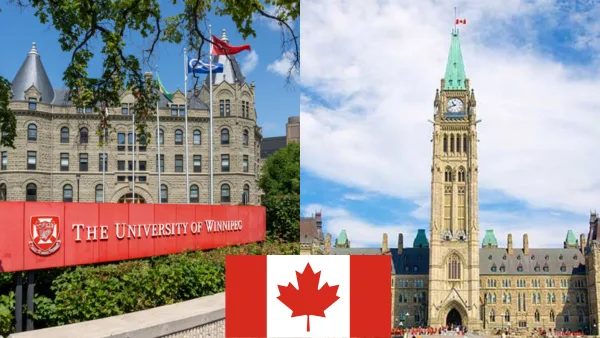
Canada Rejects Most Indian Study-Permit Applications Amid Fraud Crackdowns
Canada rejects nearly 74% of Indian study-permit applications in August 2025, citing rising fraud cases and tighter visa verification measures.
Canada’s Sharp Rise in Indian Study-Permit Rejections
In a move that has sent shockwaves through India’s education and migration community, Canada has rejected nearly 74% of Indian study-permit applications in August 2025 — a dramatic increase from the 32% refusal rate seen two years earlier.
According to Canadian immigration data, the overall global student visa refusal rate during the same period was about 40%, with Chinese applicants facing only a 24% rejection rate. This spike has drawn international attention to what experts are calling a “targeted fraud containment exercise” by Canadian authorities.
Fraud Prevention at the Core of Indian Study-Permit Crackdown
Officials from Immigration, Refugees and Citizenship Canada (IRCC) have stated that the rise in Indian study-permit rejections stems from widespread fraud in application documents, especially fake college acceptance letters and unverified financial proofs.
In 2023, the IRCC had detected 1,550 fraudulent study-permit applications linked to fake admission letters from India. By 2024, the problem had become global — with over 14,000 suspected fraudulent documents flagged from multiple countries.
To combat the issue, Canada introduced tighter verification systems and increased financial-proof requirements for international students applying for a Canadian study permit.
“We have strengthened our screening systems to ensure only genuine students enter Canada,” an immigration official told Reuters, emphasizing that fraudulent activities harm the integrity of Canada’s education system.
Must Read: Best Countries for Tech Careers After Graduation
Indian Applications See a Drastic Fall
The number of applications for Indian study-permits has dropped sharply — from nearly 20,900 in August 2023 to just 4,515 in August 2025. India, once the largest source of foreign students in Canada, now faces one of the steepest declines in application success rates among all countries.
Universities are also feeling the impact. The University of Waterloo reported a two-thirds drop in new Indian student enrollment over the last four years. Other universities across Ontario and British Columbia have confirmed similar trends, attributing them to both stricter visa screening and geopolitical uncertainties.
Must Read: Admission in Top French Universities: 2025 Guide for Indian Students
Diplomatic and Educational Repercussions
The surge in Indian study-permit rejections coincides with a period of delicate diplomatic relations between New Delhi and Ottawa. Following earlier tensions over political issues, both countries have recently attempted to rebuild ties — yet the visa restrictions may introduce new friction.
The Indian High Commission in Ottawa acknowledged Canada’s right to enforce immigration laws but expressed concern over the disproportionately high rejection rate for Indian students.
“Indian students represent some of the brightest talent globally,” an embassy spokesperson said. “They have contributed significantly to Canadian universities and the broader economy.”
Canadian colleges, meanwhile, are urging the government to balance fraud prevention with access for legitimate students, warning that the decline in Indian enrollments could hurt campus diversity and local economies.
Must Read: Study in Australia’s Best Universities-Guide for Indian Students 2025
Advisory for Students: Prepare for Stricter Scrutiny
Immigration consultants advising Indian study-permit applicants have warned that documentation standards are now far more rigorous. Students must provide detailed evidence of funding sources, verifiable acceptance letters, and genuine academic intent.
Experts recommend that students:
- Use only Designated Learning Institutions (DLIs) verified by IRCC.
- Avoid relying on unauthorized or unregistered consultants.
- Maintain clear financial trails for all tuition and living expenses.
- Provide transparent academic and career plans to support visa intent.
With Canada tightening controls, many aspiring Indian students are now exploring alternative destinations such as Australia, the United States, and the United Kingdom, where visa conditions remain more predictable.
Must Read: Why Germany is a Top Choice for Indian Engineering Students: Visa Insights and Opportunities
The Road Ahead for Indian Study-Permit Applicants
Unless Canada relaxes its verification framework or introduces a new fast-track system for trusted applicants, the Indian study-permit rejection rate is expected to stay high through 2026.
Analysts believe this could reshape global student mobility patterns, pushing India’s outbound students toward other English-speaking countries. For Canada, however, the challenge will be to preserve its image as a top study destination while maintaining immigration integrity.
As of now, Canada’s message is clear — authenticity and transparency are non-negotiable in every Indian study-permit application.