
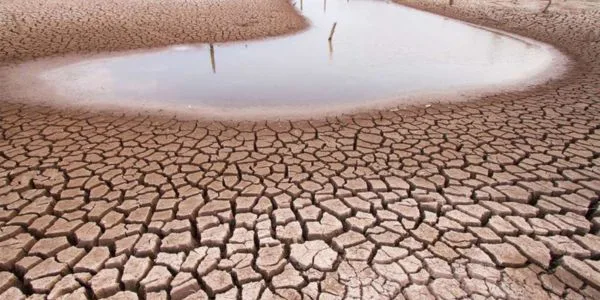
Discover the alarming 2025 freshwater crisis threatening billions, driven by climate change and groundwater depletion. Mahendra Singh explores NASA GRACE data, impacts on food security, and solutions for The Interview Times.
Earth is grappling with a catastrophic freshwater shortage that endangers billions of lives, driven by climate change, rampant groundwater depletion, and prolonged droughts. As freshwater reserves dwindle at an alarming rate, the global community faces urgent challenges to food security, public health, and geopolitical stability. This in-depth investigation draws on cutting-edge research, including NASA’s GRACE satellite data, to uncover the scale of this crisis, its causes, and actionable solutions to safeguard our planet’s most precious resource.
Unprecedented Freshwater Losses: The Numbers Tell a Grim Story
Since 2002, Earth’s continents have been hemorrhaging freshwater at an unprecedented rate. A groundbreaking study published in Science Advances on July 25, 2025, led by Arizona State University, reveals that the planet is losing approximately 290 cubic miles of freshwater annually—enough to drain Lake Erie two and a half times each year. This staggering loss, tracked by NASA’s Gravity Recovery and Climate Experiment (GRACE) and GRACE-Follow On (GRACE-FO) missions, surpasses the combined water loss from Greenland and Antarctic ice sheets, making continental drying a major driver of global sea level rise.
The study identifies four “mega-drying” regions in the Northern Hemisphere: Southwestern North America and Central America, Alaska and Northern Canada, Northern Russia, and the Middle East-North Africa (MENA) Pan-Eurasia region. These areas, home to critical population centers and agricultural hubs, are seeing freshwater reserves vanish, impacting over 6 billion people—75% of the global population—across 101 countries. A separate analysis in Surveys in Geophysics (November 4, 2024) pinpoints May 2014 as a turning point, when the 2014–2016 El Nino triggered a persistent decline in terrestrial water storage, with no recovery in sight.
What’s Driving the Freshwater Crisis?
Overexploitation of Groundwater
Groundwater, the invisible lifeline beneath our feet, accounts for 68% of the freshwater loss. Aquifers, which supply drinking water and irrigation for half the world’s population, are being drained faster than they can recharge. Regions like India’s Indus Basin, China’s North China Plain, and California’s Central Valley are losing 10% or more of their renewable water annually. This over-pumping not only depletes reserves but also causes land subsidence, sinking cities like Mexico City and parts of China, and damaging infrastructure.
Climate Change’s Relentless Impact
Climate change is intensifying the crisis. Rising temperatures, now 1.1°C above pre-industrial levels, accelerate evaporation from soils, rivers, and lakes. Altered precipitation patterns—marked by intense but fleeting rainfall—hinder groundwater recharge, as water runs off rather than seeping into aquifers. The Science Advances study reports that drying areas are expanding by 831,600 km² annually, roughly twice the size of California, threatening ecosystems and human settlements alike.
Permafrost Melt and Shifting Snow Patterns
In high-latitude regions like Northern Russia and Canada, melting permafrost and diminishing snowpack are significant contributors. Thawing permafrost releases stored water that evaporates or flows to the oceans, while reduced snowfall disrupts seasonal river and lake replenishment. These changes compound the drying trends in mid-latitude regions, such as Europe, where prolonged droughts are becoming the norm.
The El Nino Tipping Point
The 2014–2016 El Nino was a game-changer. Unlike previous cycles, which saw temporary water losses followed by recovery, this event triggered a sustained decline in freshwater reserves. The Surveys in Geophysics study suggests that climate change has pushed Earth’s hydrological system into a new, drier equilibrium, with devastating implications for global water security.
Must Read: Glacier Catastrophe: 76% Could Disappear by 2100 Under Current Policies
The Ripple Effects: Why This Matters
Food and Water Security at Risk
Freshwater is the backbone of agriculture, consuming 70% of global supplies. Depleting aquifers in key food-producing regions like the Indus Basin and North China Plain threatens global food security, potentially driving up prices and exacerbating hunger. The World Bank warns that water scarcity could displace 700 million people by 2030, fueling migration and conflict over dwindling resources. Public health is also at stake, as inadequate water supplies increase the risk of waterborne diseases.
Accelerating Sea Level Rise
The freshwater crisis is reshaping our planet’s coastlines. The Science Advances study estimates that drying non-glaciated land contributes 0.04 inches annually to sea level rise—more than melting ice sheets. As groundwater and surface water flow into the oceans, coastal communities face heightened risks of flooding, erosion, and habitat loss.
Sinking Cities and Damaged Infrastructure
Over-pumping groundwater causes land subsidence, sinking the ground in regions like California’s Central Valley, Mexico City, and parts of China. This subsidence damages roads, bridges, and irrigation systems, costing billions in repairs and increasing vulnerability to floods.
Ecological Collapse
The loss of freshwater is devastating ecosystems. Wetlands, rivers, and lakes are drying up, threatening biodiversity and disrupting habitats. For instance, the Colorado River Basin’s reduced flows endanger aquatic species and downstream communities, with ripple effects across the food chain.
Solutions to Avert Catastrophe
The freshwater crisis demands urgent, coordinated action. Here are actionable strategies to address the challenge:
- Sustainable Groundwater Management:
- Enforce stricter regulations on groundwater extraction, particularly in high-risk regions.
- Promote precision agriculture and drip irrigation to minimize water waste.
- Invest in managed aquifer recharge, redirecting excess surface water into aquifers during wet seasons.
- Climate Action and Adaptation:
- Accelerate global efforts to cut greenhouse gas emissions and limit temperature rise.
- Build climate-resilient infrastructure, such as rainwater harvesting systems and water-efficient urban designs.
- Innovative Technologies:
- Expand desalination, despite its costs, to provide alternative water sources in coastal regions.
- Enhance water recycling and wastewater treatment to maximize existing supplies.
- Global Cooperation:
- Establish international agreements to manage transboundary aquifers and rivers, like the Indus and Nile, to prevent conflicts.
- Support data-sharing initiatives, such as NASA’s GRACE missions, to monitor water resources and guide policy.
- Community Engagement:
- Launch public awareness campaigns to promote water conservation practices.
- Encourage individuals to reduce water waste and advocate for sustainable policies.
A Call to Action
The freshwater crisis is a defining challenge of our time, with far-reaching consequences for humanity and the planet. The evidence—drawn from NASA’s GRACE data and peer-reviewed studies—is unequivocal: Earth is losing freshwater at an alarming rate, threatening billions with water scarcity, food insecurity, and displacement. Yet, hope remains. Through sustainable practices, technological innovation, and global collaboration, we can protect our water resources and secure a livable future.
Sources: Science Advances (July 25, 2025), Surveys in Geophysics (November 4, 2024), NASA GRACE/GRACE-FO, World Bank
Mahendra Singh is a seasoned journalist and editor at TheInterviewTimes.com with over 28 years of experience. An alumnus of IIMC, he writes on international affairs, politics, education, environment, and key social issues.