

Yemen War explained in simple terms: how the conflict began, who is fighting, the role of Houthis, Saudi Arabia, UAE, Iran, the US, and what lies ahead.
New Delhi, December 31, 2025, 1:21 PM IST: The Yemen Crisis is one of the world’s most severe humanitarian disasters, blending civil war, foreign interventions, and regional power struggles. It began as an internal uprising but quickly drew in neighbouring countries and global powers.
At its core, it’s a fight for control of Yemen, a poor nation on the Arabian Peninsula’s southern tip, between the internationally recognized government and rebel groups like the Houthis.
Countries like Saudi Arabia, the United Arab Emirates (UAE), the United States (USA), Pakistan, and others have played roles ranging from military support to diplomatic efforts.
This article breaks it down step by step to explain how it started, who’s involved, and why it matters today in 2026.
Yemen’s location is key-it’s near vital shipping routes like the Red Sea and Bab al-Mandab Strait, which carry much of the world’s oil and goods.
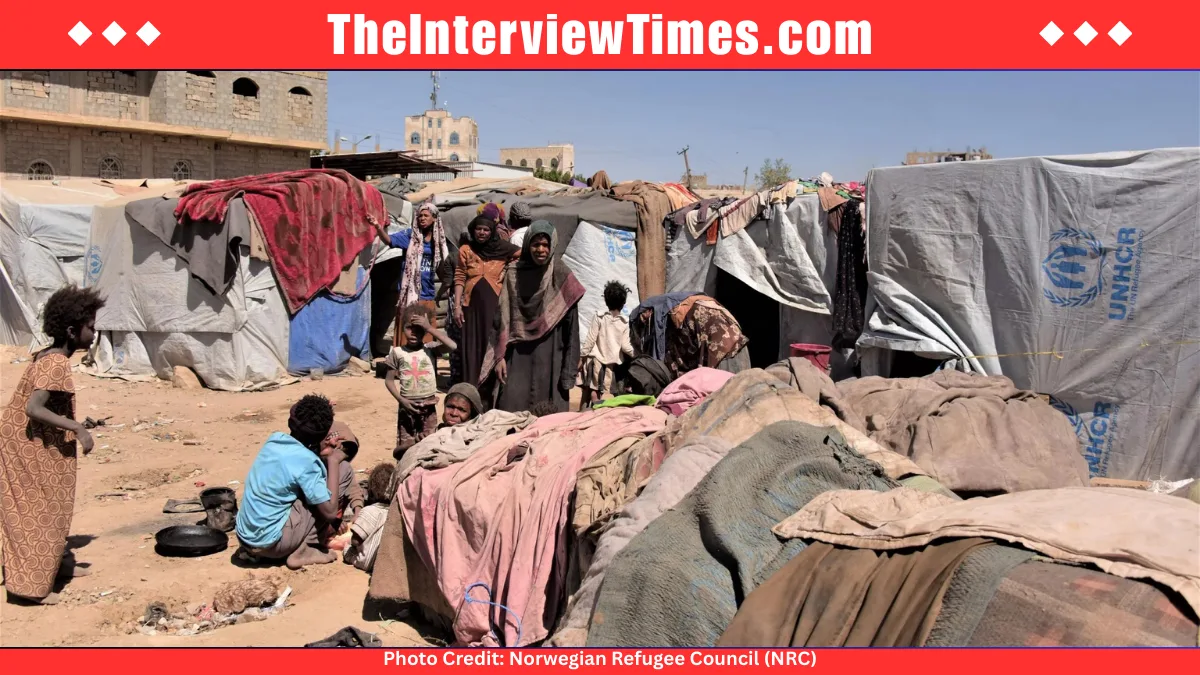
The crisis has caused massive suffering: over 19 million people need help to survive, and millions have fled their homes.

How the Crisis Began: A Quick Background
Yemen has long faced poverty, corruption, and tribal divisions. In 2011, during the Arab Spring protests, President Ali Abdullah Saleh was forced out after 33 years in power. His vice president, Abdrabbuh Mansur Hadi, took over, but many Yemenis felt the new government ignored their needs.
The Houthis, a rebel group from northern Yemen (also called Ansar Allah), rose up. They are Zaydi Shia Muslims who felt marginalized by the Sunni-led government. In 2014, they captured the capital, Sana’a, forcing Abdrabbuh Mansur Hadi to flee. This sparked a full civil war.
By 2015, the Houthis controlled much of the north and west. Abdrabbuh Mansur Hadi asked for help from Saudi Arabia, fearing Iranian influence behind the Houthis. Saudi Arabia formed a coalition of Arab nations and launched airstrikes and a blockade to cut off supplies to the rebels. The war has dragged on for over a decade, with periods of intense fighting and fragile truces.
Other groups complicate things: In the south, separatists want independence, forming the Southern Transitional Council (STC). Al-Qaeda and ISIS have exploited the chaos to operate there too.
Must Read: Global Antisemitism 2025 Explained: Causes, Key Attacks, Data Trends and Global Response

The Main Sides Inside Yemen
- The Government Side: Led by Rashad al-Alimi (Chairman, Presidential Leadership Council, the Republic of Yemen) They control parts of the east and south, backed by the coalition. Their goal is to restore unity and defeat the Houthis.
- The Houthis: Control Sana’a and much of the populated north. They claim to fight corruption and foreign interference but are accused of human rights abuses. They receive support from Iran, which helps them with weapons and training.
- Southern Separatists (STC): Want a separate southern state, like before Yemen unified in 1990. They’ve clashed with both the government and Houthis but sometimes ally with the coalition. Before Yemen unified in 1990, it was divided into two separate countries. North Yemen, officially called the Yemen Arab Republic, had its capital in Sanaa. South Yemen, known as the People’s Democratic Republic of Yemen, had its capital in Aden. The two countries followed different political paths, North Yemen was influenced by the Ottoman Empire, while South Yemen was shaped by British colonial rule.
The war isn’t just about religion (Shia vs. Sunni), though that’s part of it. It’s also about power, resources, and foreign agendas.
Must Read: Ukraine 2025: Key Facts About the World’s Most Watched Conflict

Role of Saudi Arabia: The Main Backer of the Government
Saudi Arabia sees Yemen as its backyard and fears the Houthis could become an Iranian proxy on its border. In 2015, under Crown Prince Mohammed bin Salman, Saudi Arabia started “Operation Decisive Storm” with airstrikes, ground support, and a naval blockade to stop arms from reaching the Houthis.
Saudi forces have bombed Houthi targets, provided money and weapons to anti-Houthi fighters, and enforced a blockade that limits food and aid into Yemen. This has helped push back the Houthis at times but also caused civilian deaths and a humanitarian crisis. Critics say Saudi airstrikes have hit hospitals and markets, worsening famine.
Recently, in 2025, tensions rose when Saudi Arabia bombed a weapons shipment from the UAE to southern separatists in Mukalla, showing cracks in the coalition. Saudi Arabia wants a unified Yemen under its influence, not a divided one where the UAE holds sway in the south.
Despite military setbacks, Saudi Arabia pushes for peace talks, like the 2022 truce brokered by the UN. But the war has cost Saudi Arabia billions and damaged its image due to the humanitarian fallout.
Must Read: China-Taiwan Conflict Explained: Historical Roots and Current UN Escalation

Role of the UAE: Ground Forces and Southern Influence
The UAE joined the Saudi-led coalition in 2015, sending troops to fight the Houthis on the ground, especially in the south. Unlike Saudi Arabia’s focus on airstrikes, the UAE trained local forces and captured key areas like Aden.
But the UAE has its own goals: Controlling southern ports and islands for trade routes, and countering Islamist groups like Al-Qaeda. It strongly supports the STC separatists, providing them with weapons and training, which sometimes puts it at odds with the Yemeni government and Saudi Arabia.
In 2019, the UAE pulled most troops but stayed involved through proxies. By late 2025, after a Saudi airstrike on UAE-linked shipments and calls from Yemen’s government, the UAE announced a full withdrawal of remaining forces, ending its “counterterrorism” role. This highlights growing rivalry with Saudi Arabia over Yemen’s future.
The UAE’s involvement has been praised for fighting extremists but criticized for alleged abuses by its-backed militias.
Must Read: Violence Against Women: WHO-UN Report Finds 840 Million Survivors and No Progress in 20 Years
Role of the USA: Arms, Intelligence, and Strikes
The USA has supported the Saudi-led coalition since 2015, seeing it as a way to counter Iran and fight terrorism in Yemen, where Al-Qaeda in the Arabian Peninsula (AQAP) is active. Under Presidents Obama, Trump, and Biden, the US provided weapons sales, refuelling for planes, intelligence, and training worth billions.
Separately, the US runs drone strikes and raids against AQAP and ISIS. In response to Houthi attacks on Red Sea shipping (linked to the Israel-Gaza conflict), the US led Operation Prosperity Guardian in 2023-2025, with strikes on Houthi targets alongside the UK.
Biden promised to end US support for the war in 2021 but continued some arms sales and strikes. Congress tried to block involvement, but it persists. The US also gives humanitarian aid, though cuts in 2025 have been criticized for worsening the crisis.
Role of Pakistan: Diplomatic Support, Not Military
Pakistan, a close ally of Saudi Arabia, was asked to join the coalition in 2015 but refused to send troops, fearing it would anger Iran and divide its own people. Instead, Pakistan offers diplomatic backing, like supporting Saudi peace talks and calling for dialogue among all sides.
In 2025, Pakistan reaffirmed support for Gulf-led efforts to stabilize Yemen, praising Saudi and UAE roles while urging peaceful resolutions. Pakistan’s neutral stance helps it mediate without direct involvement, though it provides some training or aid quietly.

Roles of Other Countries: Iran and Beyond
- Iran: The Houthis’ main backer, providing missiles, drones, and expertise. This turns the war into a proxy battle with Saudi Arabia. Iran denies direct control but admits support against “aggression.”
- Other Supporters: The UK, France, and Canada sell arms to the coalition, facing criticism for enabling abuses. Oman stays neutral and hosts talks. Qatar was in the coalition but left due to a rift with Saudi Arabia.
- Israel: In 2025, struck Houthi targets after missile attacks on Israel, adding a new layer.
The UN leads peace efforts, like the 2022 ceasefire, but violations continue.

The Humanitarian Toll: A Crisis Within a Crisis
The war has killed over 377,000 people, many from hunger and disease. In 2025, 19.5 million need aid, including 11 million children. Blockades have caused famine, with millions facing starvation. Cholera outbreaks and destroyed hospitals worsen things.
Women and children suffer most: Increased child labor, marriages, and violence. Displacement affects 4.8 million, with attacks on civilians ongoing, over 880 casualties in 2025 alone. Aid groups like UNICEF and the IRC provide health, water, and education, but funding shortages and access blocks hinder help.
Where Things Stand in 2025 and What’s Next
A 2022 truce reduced fighting, but Houthi Red Sea attacks since 2023 (in solidarity with Palestinians) brought US/UK/Israeli strikes. By late 2025, Saudi-UAE tensions escalated, with UAE withdrawing and risks of renewed civil war. Peace talks stall, but diplomacy from Saudi Arabia, Pakistan, and the UN offers hope.
The crisis could widen regional tensions, affecting global trade. Ending it needs inclusive talks, lifting blockades, and addressing root causes like poverty.

Conclusion
The Yemen crisis shows how local grievances can escalate into a prolonged international conflict. Saudi Arabia and the UAE have led military campaigns, the United States has provided strategic support, Pakistan has pursued diplomacy, and Iran has backed the opposition. After more than a decade of war, the priority must shift toward ending violence, easing humanitarian suffering, and addressing Yemen’s deep-rooted economic and political challenges.
