
TheInterviewTimes.com | June 10, 2026 | New Delhi
Learn how to heal emotional pain through acceptance, self-awareness, mindfulness, and inner growth. Discover practical ways to transform suffering into strength.
Article Summary
Emotional pain can be just as intense as physical pain, yet it often goes unnoticed by others. Whether caused by heartbreak, rejection, loss, or failure, emotional wounds can leave a lasting impact. This article explores how acceptance, self-compassion, mindfulness, and inner healing can help transform emotional pain into personal growth.
Key Highlights
- Emotional pain is real and affects both the mind and body.
- Healing begins with accepting your pain rather than avoiding it.
- Suppressed emotions often lead to anxiety, stress, and overthinking.
- Every painful experience carries valuable life lessons.
- Living in the present accelerates emotional recovery.
- True healing comes from within, not from external validation.
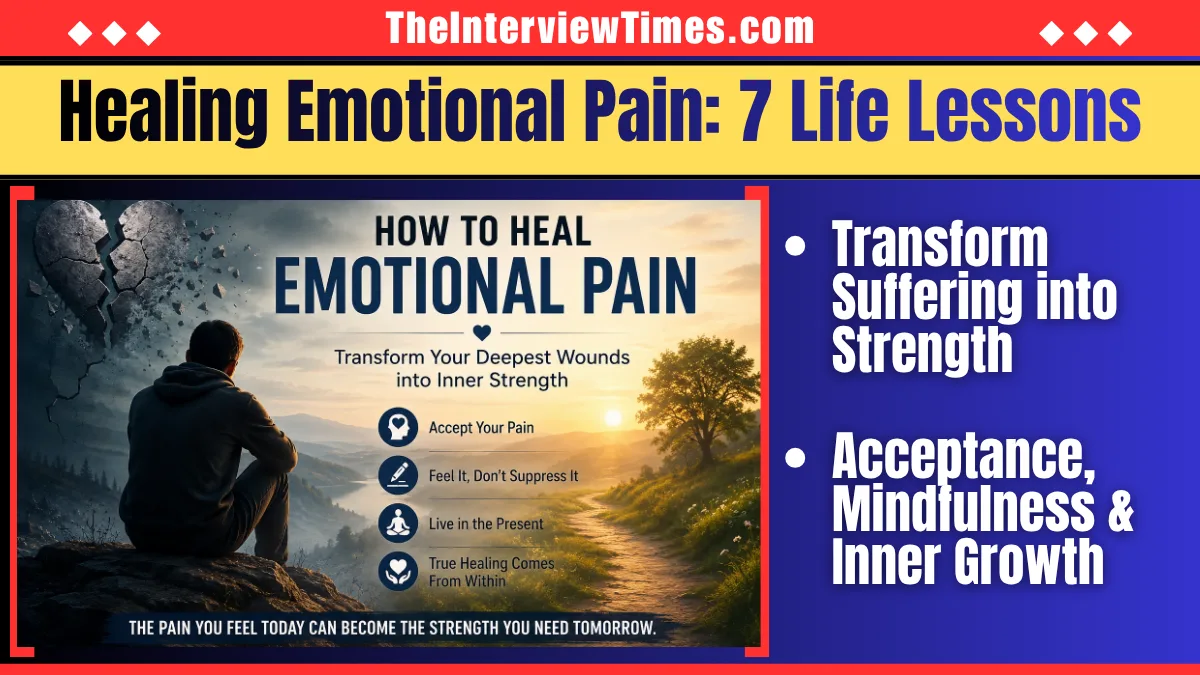
How to Heal Emotional Pain: Turning Your Deepest Wounds into Inner Strength
Have you ever had your heart broken?
Have you ever been abandoned by someone you deeply trusted?
Have you ever loved someone so much that their absence left a painful emptiness in your life?
If your answer is yes, then you are not alone.
Emotional pain is one of the most universal human experiences. Yet, it is also one of the least understood. While physical wounds can be seen and treated, emotional wounds often remain hidden beneath the surface.
The good news is that healing is possible.
Understanding emotional pain is the first step toward overcoming it and rebuilding a stronger, more resilient version of yourself.
WATCH: How to Heal Emotional Pain and Reclaim Your Inner Strength
Watch this powerful Divine World video where Mahendra Singh shares timeless wisdom and practical insights on overcoming emotional pain, letting go of the past, and building inner strength.
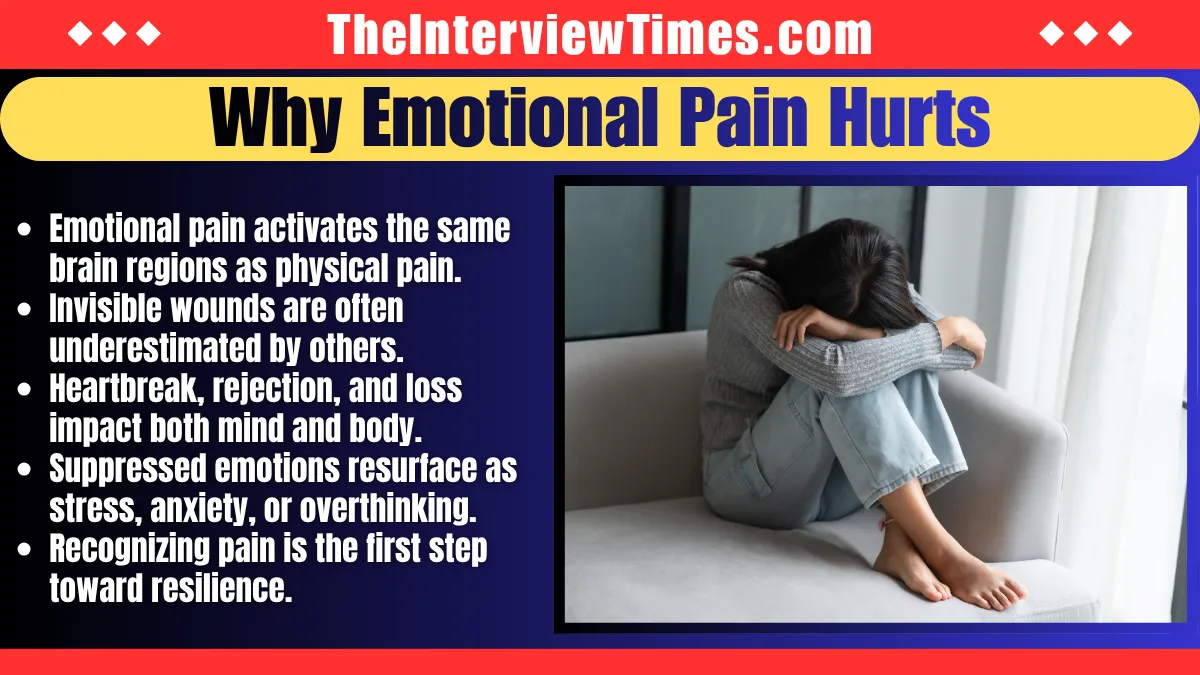
Why Does Emotional Pain Hurt So Much?
Many people assume emotional pain exists only in the mind. However, scientific research suggests otherwise.
Studies have shown that experiences such as rejection, heartbreak, social exclusion, and loss activate some of the same regions of the brain involved in processing physical pain.
In other words, emotional pain is not imaginary.
It is a genuine human experience that affects both psychological and physical well-being.
The difference is that a broken bone is visible to everyone, while a broken heart often remains invisible. Because others cannot see the wound, emotional suffering is frequently underestimated, making recovery even more challenging.
Healing Begins with Acceptance
When emotional pain strikes, our first instinct is often to escape it.
We distract ourselves with work, social media, entertainment, or endless busyness. We convince ourselves that we are fine.
But pain that is ignored rarely disappears.
Instead, it often resurfaces in the form of anxiety, anger, stress, emotional exhaustion, and chronic overthinking.
The first step toward healing is acceptance.
Acceptance means acknowledging your reality without denial.
It means being honest with yourself:
- Yes, I am hurting.
- Yes, I feel disappointed.
- Yes, this experience affected me deeply.
Acceptance is not weakness.
Acceptance is the beginning of emotional freedom.
Must Read: Gautam Buddha’s Philosophy in Modern Life: How to Find Peace, Success, and Balance
Stop Suppressing Your Pain and Start Feeling It
One of the most profound teachings associated with mindfulness and wisdom traditions is that pain is a natural part of life, but suffering is often amplified by our resistance to it.
The more we fight our emotions, the more power they gain over us.
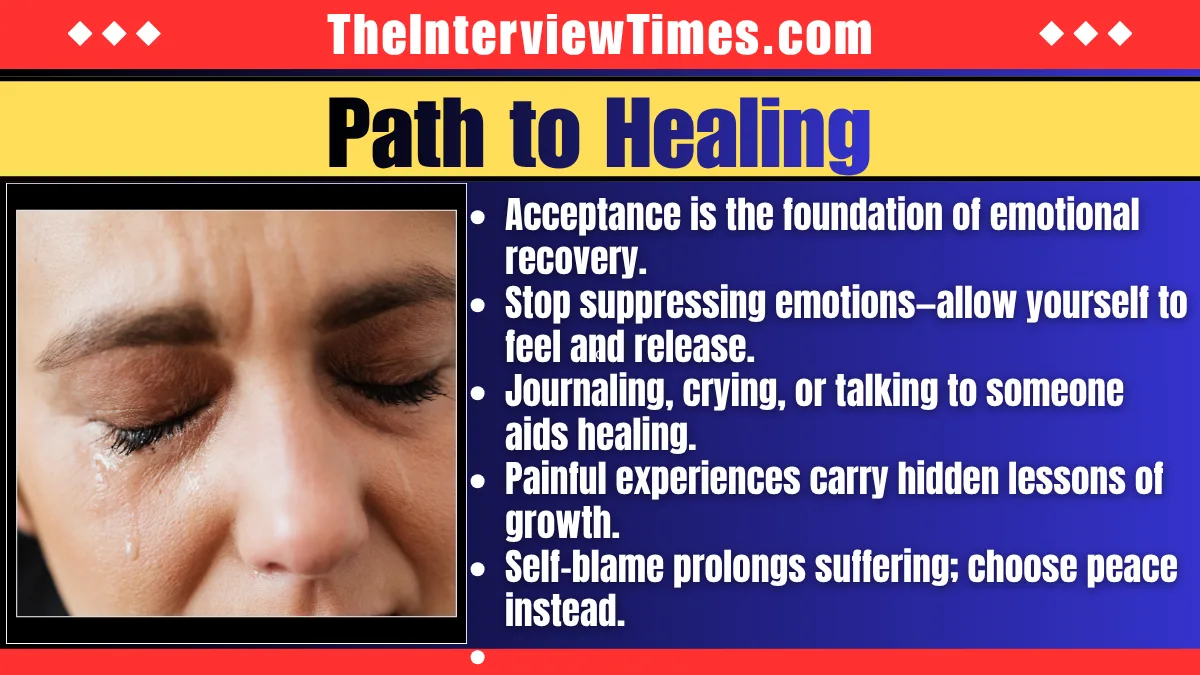
Instead of suppressing your feelings, allow yourself to experience them in a healthy way.
Cry if you need to cry.
Write in a journal.
Talk to someone you trust.
Spend time alone reflecting on your emotions.
Emotional expression is not a sign of weakness. It is a necessary part of the healing process.
Sometimes tears are not a breakdown. They are emotional release.
Every Painful Experience Has Something to Teach You
Think about the most painful experience of your life.
Perhaps it was a failed relationship.
A betrayal.
A major setback.
A personal loss.
Now ask yourself a different question:
What did that experience teach you?
Many of our greatest lessons emerge from our deepest struggles.
Pain often teaches resilience.
Loss teaches appreciation.
Failure teaches growth.
Heartbreak teaches self-discovery.
What feels like a curse today may later become one of the most transformative experiences of your life.
The wounds that hurt us most often shape us the most.
Stop Blaming Yourself
One of the biggest mistakes people make after emotional trauma is self-blame.
They repeatedly ask themselves:
- What did I do wrong?
- Why wasn’t I good enough?
- Could I have done more?
While self-reflection is healthy, constant self-blame is destructive.
The truth is that not everything is within your control.
Some people enter your life for a season, not for a lifetime.
Some relationships exist to teach lessons rather than last forever.
Letting go does not mean you never cared.
It means you are choosing peace over endless suffering.
Learn to Return to the Present Moment
One of the biggest challenges of emotional pain is that it traps us in the past.
We replay conversations.
We revisit memories.
We imagine different outcomes.
We continuously relive events that can no longer be changed.
Healing begins when we return to the present.
Today is a new day.
Today is a new opportunity.
Today life is still moving forward.
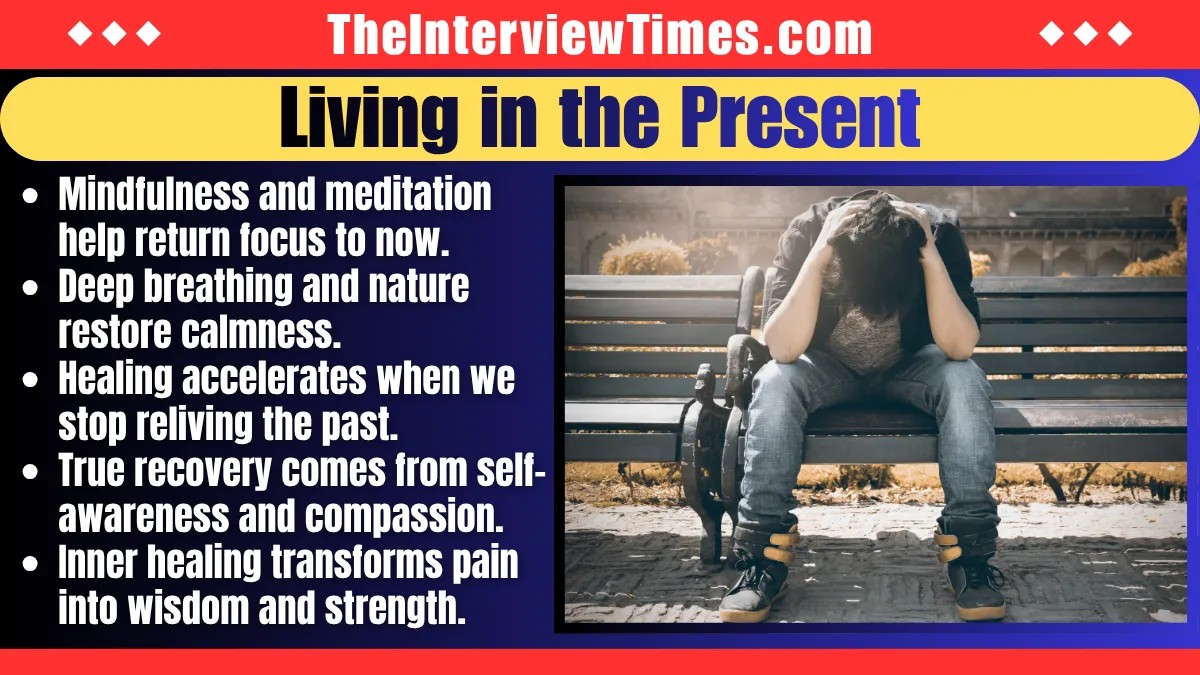
Practices such as mindfulness, meditation, deep breathing, and spending time in nature can help bring attention back to the present moment.
When we stop living in yesterday, we create space for tomorrow.
The Deepest Healing Comes from Within
Many people believe someone else will heal them.
They wait for another person to understand them, rescue them, or remove their pain.
But true healing rarely works that way.
Healing begins when you start accepting yourself.
When you stop hiding your wounds.
When you choose self-love over self-criticism.
When you treat yourself with the same kindness you would offer a close friend.
Over time, pain begins to transform.
What once felt like weakness becomes wisdom.
What once felt like loss becomes growth.
What once felt like darkness becomes strength.
Conclusion
No one passes through emotional pain unchanged.
The experience will either break you or build you.
The choice lies in how you respond.
Do not allow your pain to define you.
Allow it to awaken you.
Sometimes life is not breaking you apart.
Sometimes it is shaping you into the person you are meant to become.
The darkest nights do not last forever.
Eventually, morning arrives.
Key Takeaways
- Emotional pain is real and deserves attention and care.
- Acceptance is the foundation of emotional healing.
- Suppressing emotions often prolongs suffering.
- Painful experiences can become powerful life lessons.
- Living in the present supports emotional recovery.
- Lasting healing comes from self-awareness, self-compassion, and inner growth.